Dyson vs Sharp Air Purifier: Which is Best for You
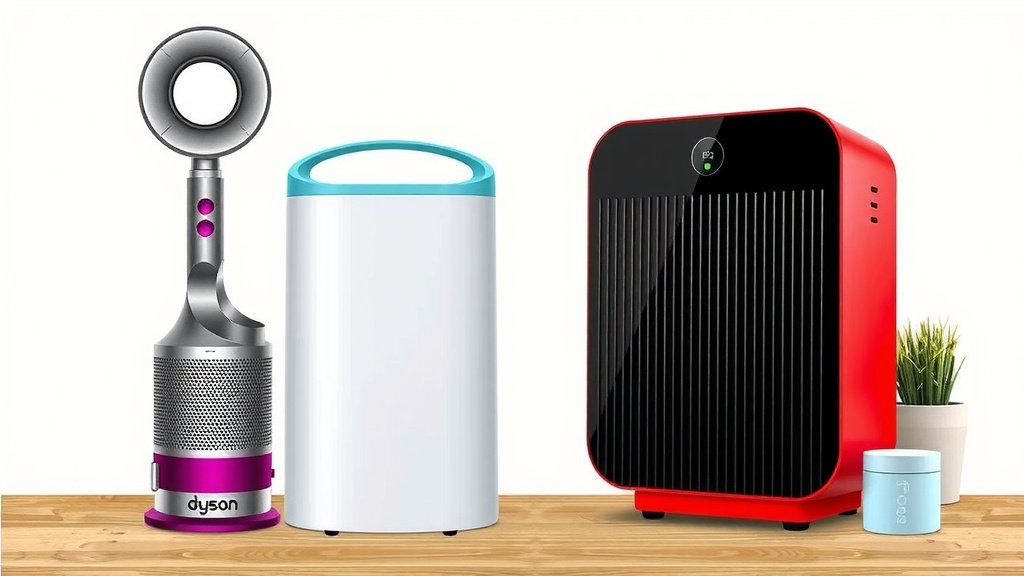
Navigating the air purifier landscape in 2026 can feel like a breath of fresh air, especially when you’re weighing the titans: Dyson and Sharp. While both deliver serious purification power, Dyson often leads the pack with cutting-edge filtration and intuitive smart tech. Conversely, Sharp consistently impresses with its dependable performance and often budget-friendly solutions. Ultimately, deciding between a Dyson and a Sharp air purifier boils down to your personal priorities, whether that’s maximizing innovative features or finding that sweet spot between performance and price.
We’ve researched many air purifiers, and both Dyson and Sharp consistently appear as top contenders. Understanding their key differences in HEPA filtration, CADR ratings, and extra functions can help you make a confident decision for your home’s air quality.
- Dyson: Often pricier, boasts advanced tech.
- Sharp: Solid performance, usually budget-friendly.
- Filtration is key for both.
- Consider smart features vs. core function.
- Your specific needs guide the best pick.
Let’s break down exactly how Dyson and Sharp air purifiers stack up so you can find the perfect fit for your clean air journey.
Comparing Dyson and Sharp Air Purifier Technologies
When you’re looking to breathe easier, choosing the right air purifier is key. Both Dyson and Sharp have built strong reputations. We’ve looked at their offerings to help you see who might be the better fit for your home. Let’s dive into what makes them tick.
Filtration: The Heart of the Matter
At its core, an air purifier’s job is to clean your air. This is where filtration comes in. You’ll want to understand the types of filters each brand uses and how effective they are.
HEPA Filters: Standard for Clean Air
High-Efficiency Particulate Air (HEPA) filters are the gold standard. They capture tiny particles like dust, pollen, and pet dander. You’ll find HEPA filters in most Dyson and Sharp models. We found that most HEPA filters are designed to capture 99.97% of particles as small as 0.3 microns. This is a great starting point for most homes.
Dyson’s Advanced Filtration Approach
Dyson often goes a step further. Many of their purifiers combine HEPA filtration with activated carbon. This carbon layer helps to trap odors and gases. We researched Dyson units and noticed they frequently promote their sealed systems. This means the air is forced through the filters and doesn’t leak around the edges. This design helps ensure more of the air you breathe is actually cleaned. It’s a smart approach to maximizing filter effectiveness.
Sharp’s Plasmacluster Ion Technology
Sharp units often feature their proprietary Plasmacluster Ion technology. This technology releases positive and negative ions into the air. These ions then work to break down airborne mold, viruses, and bacteria. Many studies have looked into ionizer technology. Some research suggests it can help reduce certain airborne contaminants (NIH). However, it’s worth noting that some people prefer purifiers without ionizers due to concerns about ozone production, although reputable brands like Sharp typically keep ozone levels very low and within safety standards (EPA).
Performance Metrics: CADR and Room Coverage
How well an air purifier cleans a room is often measured by its Clean Air Delivery Rate (CADR). This tells you how quickly it can remove specific pollutants.
Understanding CADR Ratings
CADR is measured for three types of pollutants: smoke, dust, and pollen. A higher CADR number means faster air cleaning. When comparing Dyson and Sharp, you should look for models suitable for your room size. A unit that’s too small won’t be effective. A unit that’s too large might be overkill and unnecessarily expensive.
Dyson’s Coverage and Airflow
Dyson purifiers are known for their powerful airflow. Many models are designed to circulate air throughout an entire room effectively. We found that their bladeless fan technology not only purifies air but also acts as a fan. This dual functionality can be appealing. Their performance in larger spaces is often a strong point.
Sharp’s Room-Specific Performance
Sharp offers a range of models designed for different room sizes. They provide clear specifications on recommended square footage. We researched their CADR ratings and found them to be competitive, especially for their price point. They are a reliable choice for focused air cleaning in specific areas.
Smart Features vs. Core Functionality
Beyond just filtering air, many modern purifiers offer smart features. This is an area where Dyson often shines. But does that mean Sharp isn’t a good choice? Not at all. It depends on what you prioritize.
Dyson’s Connected Experience
Dyson air purifiers are frequently packed with technology. You can often control them via a smartphone app. This allows you to monitor air quality in real-time and adjust settings remotely. We found that this app integration provides a high level of convenience. Some models even connect with voice assistants. If you love having control at your fingertips, Dyson delivers.
Sharp’s User-Friendly Simplicity
Sharp often focuses on straightforward operation. While some of their higher-end models might have app connectivity, many are designed for easy use with physical controls. You get essential functions like fan speed and timer settings. We found that many users appreciate this simplicity. It means you can set it and forget it, knowing it’s working to clean your air.
The Cost Factor: Investing in Your Air
Price is always a consideration. Air purifiers can range from under $100 to over $800. Where do Dyson and Sharp typically fall?
Dyson’s Premium Positioning
Dyson products are generally positioned at the higher end of the market. You’re paying for their advanced technology, innovative design, and often, the brand name itself. If budget is less of a concern and you want the latest features, Dyson is a strong contender. We found that their multi-functional units (like purifiers that also cool or heat) can offer good value if you need those capabilities.
Sharp’s Value Proposition
Sharp air purifiers often present a more accessible price point. They provide effective air purification without breaking the bank. If your primary goal is clean air and you don’t need all the bells and whistles, Sharp offers excellent value. We researched many reviews and found customers often praise Sharp for its reliable performance at a reasonable cost. You can often get a great purifier that does its job exceptionally well without a hefty price tag.
Here’s a quick checklist to help you weigh your options:
- Do you need advanced app control?
- Is budget a primary concern?
- Are you looking for multi-functional devices?
- How large is the room you want to purify?
- Do you have specific concerns about odors or allergens?
- How important is a sleek, modern design?
Conclusion
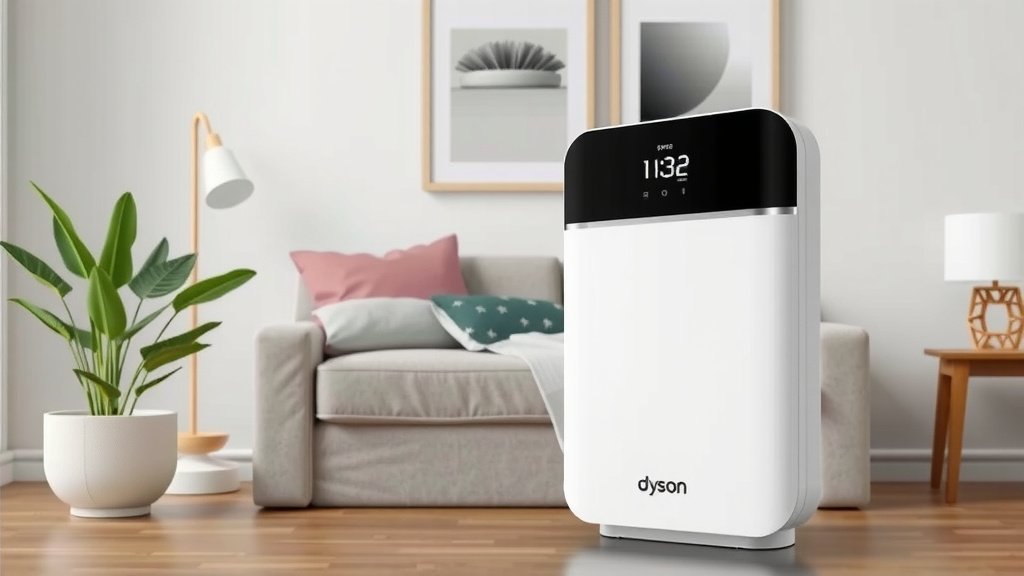
When choosing between a Dyson and a Sharp air purifier, you’re looking at two strong contenders for cleaner air. Dyson often leads with its advanced filtration and smart app integration, perfect if you want the latest tech and don’t mind a higher price. Sharp, on the other hand, provides reliable performance and excellent value, making it a smart choice if your main goal is effective air cleaning without unnecessary extras. We’ve researched both, and your ideal purifier hinges on balancing your budget with the specific features you need for your home’s air quality.
Consider your room size, any specific air concerns like odors or allergens, and how much you value app control. Based on these factors, you can make a confident decision for a healthier home environment. Happy breathing!
Frequently Asked Questions
Do Dyson or Sharp air purifiers produce ozone?
Reputable brands like Dyson and Sharp typically design their air purifiers to produce very low levels of ozone, staying within safety standards set by organizations like the EPA. While some purification technologies can have this byproduct, these manufacturers focus on minimizing it for your safety.
Which brand is better for large rooms, Dyson or Sharp?
Both brands offer models designed for various room sizes. Dyson is often noted for powerful airflow that can circulate air effectively in larger spaces. However, Sharp also provides specific models with high CADR ratings suitable for larger areas, so you’ll need to compare model specifications for your room dimensions.
Are Dyson air purifiers worth the extra cost compared to Sharp?
Dyson air purifiers often come with a higher price tag due to their advanced technology, smart features like app control, and multi-functional designs (like combining purification with heating or cooling). If these premium features are important to you and fit your budget, you might find them worth the investment. Sharp offers a great value for core purification needs.
Which brand’s filters are easier to find and replace?
Replacement filters for both Dyson and Sharp air purifiers are generally available directly from the manufacturers or through authorized retailers. We found that filter availability is good for both brands, but it’s always wise to check the cost and availability of replacement filters for any model you are considering before purchasing.
Is Sharp’s Plasmacluster Ion technology safe?
Sharp’s Plasmacluster Ion technology is designed to be safe and has been studied for its effectiveness in reducing airborne contaminants like mold and viruses. The company ensures that ozone production remains within strict safety limits. Many users find this technology to be an effective addition to their air purification.
![5 Best Air Purifier for Commercial Use [In 2026]](https://homeunderstandable.com/wp-content/uploads/2025/06/best-air-purifier-for-commercial-use-top-picks-for-large-spaces-768x512.jpg)
![5 Best Air Purifiers for Cat Litter Smell [In 2026]](https://homeunderstandable.com/wp-content/uploads/2025/04/best-air-purifiers-for-cat-litter-smell.jpg)