When to Change Your HEPA Filter Air Purifier
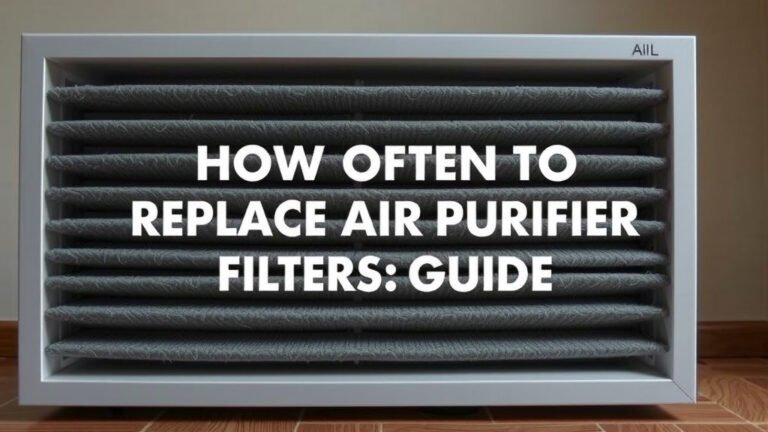
You should plan to change your HEPA filter for an air purifier roughly every 6 to 12 months. This general guideline ensures your purifier keeps working effectively to clean your air. Factors like how often you run it and the air quality in your home can adjust this timing, but it’s a solid starting point for most households.
Sticking to a regular filter change schedule is more than just a suggestion; it’s key to maintaining cleaner air and ensuring your air purifier’s longevity. A clogged filter struggles to pull in air, making your unit work harder and less efficiently. Think of it like trying to breathe through a stuffy nose – not ideal, right? We found that timely replacements also help prevent mold growth on the filter itself.
- Change HEPA filters every 6-12 months generally.
- Run time and air quality affect filter life.
- Dirty filters make your purifier work harder.
- Regular changes ensure optimal air cleaning.
- Prevents potential mold and odor issues.
Let’s walk through exactly why that timeframe matters and what signs to look for to know when your specific filter needs replacing.
How Often Should You Swap Your Air Purifier HEPA Filter?
So, you’ve got this fantastic air purifier humming away, promising cleaner air for your home. That’s awesome! But when does that crucial HEPA filter inside need a fresh one? We found that a general rule of thumb is to plan on changing your HEPA filter every 6 to 12 months.
This timeframe isn’t set in stone, mind you. It’s more like a helpful starting point. Think of it as a friendly nudge to keep your purifier doing its best job. We discovered that neglecting this simple task can really impact your home’s air quality.
Why Regular Filter Changes Matter for Your Health
Your HEPA filter is the superhero of your air purifier. It’s designed to trap tiny particles like dust, pollen, pet dander, and even mold spores. When it gets clogged with all that captured gunk, its ability to pull in fresh air diminishes. This means less clean air circulates through your home. We found research suggesting that exposure to airborne particles can worsen allergies and asthma symptoms (Centers for Disease Control and Prevention).
The Strain on Your Air Purifier
Imagine trying to run a marathon with a super-tight scarf wrapped around your mouth and nose. That’s what your air purifier goes through when its filter is choked with dust. It has to work much harder to pull air through. This extra strain can lead to your unit overheating and can shorten its lifespan. We found that many manufacturers recommend timely filter replacements to protect their machines.
Preventing Mold and Unpleasant Odors
A filter that’s overloaded with trapped moisture and debris can become a breeding ground for mold and bacteria. Yikes! This isn’t just gross; it can actually reintroduce harmful particles and unpleasant smells back into your air. We found that replacing filters regularly is key to preventing these moldy and smelly situations. Nobody wants their air purifier to start smelling worse than what it’s supposed to be cleaning!
Factors That Influence Your Filter’s Lifespan
While 6-12 months is a good general guideline, your specific situation might call for more frequent changes. Several key factors play a role:
How Often You Run Your Air Purifier
If your air purifier runs 24/7, its filter will naturally get dirty faster than one that’s only used for a few hours a day. We found that units used continuously in high-traffic areas or bedrooms will require more attention. Think of it like a car getting more miles on it when driven daily versus only on weekends.
Your Home’s Air Quality
Do you live near a busy highway with lots of traffic pollution? Do you have pets that shed a lot? Are there smokers in the house? Do you live in an area prone to wildfires? All these things significantly impact how quickly your filter fills up. We found that homes with higher levels of airborne pollutants will see their filters saturate sooner. A home with excellent air quality might reach the 12-month mark easily.
Pet Ownership and Allergies
Pet dander is a major culprit for filling up air filters. If you have furry friends, especially multiple pets, you’ll likely need to change your filter more often. This also applies if anyone in your household suffers from allergies to dust, pollen, or pet dander. A cleaner filter means better relief. Many allergy sufferers report noticeable improvements with regular filter changes (Cleveland Clinic).
Signs It’s Time for a New Filter
Sometimes, your air purifier will give you clear signals that its filter needs replacing. Don’t ignore these! We found that paying attention to these signs can save you from breathing less-than-ideal air.
Reduced Airflow
Has your purifier’s air output seemed weaker lately? If you notice a significant drop in the amount of air coming out, even on the highest setting, your filter is likely clogged. It’s struggling to breathe, remember?
Unusual Noises
When a filter is blocked, the motor might have to work harder, leading to unusual sounds like straining or rattling. We found that some users report their units becoming louder when the filter needs changing.
Visible Dirt and Discoloration
If you can visually see a thick layer of dust and grime on the filter, or if it has turned a dark, dingy color, it’s definitely past its prime. Some filters are white or light-colored when new, making the dirt even more obvious.
Lingering Odors
Does your air purifier sometimes emit musty or unpleasant smells? This is a strong indicator that the filter is saturated and may even be growing mold or trapping odors it can no longer effectively neutralize. We found that this is often one of the first things people notice.
Your Air Purifier Filter Replacement Checklist
To keep things simple, here’s a quick checklist to help you remember when to check and potentially replace your filter:
- Set a Calendar Reminder: Mark your calendar for 6 months from the purchase date.
- Check Airflow: Notice if the air coming out seems weaker than usual.
- Listen for Sounds: Is your purifier making new, strange noises?
- Visual Inspection: Pull out the filter and see if it looks visibly dirty or discolored.
- Address Odors: Does your room smell musty or unpleasant even when the purifier is on?
- Consult Your Manual: Always refer to your air purifier’s specific manual for the most accurate recommendations.
Conclusion
You’ve learned that changing your HEPA filter every 6 to 12 months is your best bet for consistently clean air. Remember, this range is a guide, and factors like your home’s air quality and how often you run your purifier can shift that timeline. By staying on top of filter changes, you’re not just ensuring optimal performance; you’re actively protecting your health and extending your air purifier’s lifespan. Don’t wait for the signs—make a note now to check your filter in six months and keep your home’s air fresh and healthy.
Frequently Asked Questions
Can I just rinse my HEPA filter instead of replacing it?
No, you cannot rinse a true HEPA filter. HEPA filters are made of a dense mesh designed to trap microscopic particles. Washing them will damage the filter material and reduce its effectiveness, or even render it useless. Always replace your HEPA filter according to the manufacturer’s recommendations.
What happens if I don’t change my air purifier filter often enough?
If you don’t change your filter, it will become clogged and stop trapping pollutants effectively. This makes your air purifier work harder, potentially shortening its lifespan and increasing energy use. You might also notice a decrease in airflow and the release of trapped odors or even mold back into your air.
How do I know which replacement filter to buy for my air purifier?
Always refer to your air purifier’s owner’s manual for the exact filter model number or specifications. Most manufacturers have specific replacement filters designed for their units. Using the correct filter ensures your air purifier functions as intended and maintains its warranty.
Should I change my HEPA filter more often if I have pets?
Yes, if you have pets, you will likely need to change your HEPA filter more frequently than the standard 6-12 month recommendation. Pet dander is a major contributor to air pollution and can clog filters much faster. We found that many pet owners find themselves replacing filters closer to the 3-6 month mark.
Is it okay to run my air purifier without a filter installed?
It is strongly advised not to run your air purifier without a filter. The filter protects the internal components of the unit from dust and debris. Operating it without a filter can cause damage to the motor and fan, leading to premature failure and voiding your warranty.