
How Often to Clean Your Air Purifier for Best Results
In 2026, with our homes smarter and our air cleaner, maintaining peak performance from your air purifier is more crucial than ever. Aim for a quick clean of both filters and the exterior roughly every four weeks. This consistent care is the secret sauce for keeping your purifier humming efficiently and tackling pollutants like a champ. Skipping this easy maintenance can mean a noticeable dip in its power and, over time, even put your device at risk, making it a habit well worth cultivating for consistently fresh air.
When it comes to keeping your home’s air clean, your air purifier is a workhorse. But like any appliance, it needs a little TLC. Neglecting cleaning can cause dust and debris to clog filters, making it harder for the unit to do its job. This means you’re not getting the clean air you paid for, and it can even shorten the purifier’s lifespan, costing you more in the long run. Many experts agree that consistent maintenance is the secret to a long-lasting, effective air purifier.
- Clean filters and exterior monthly for best results.
- Monthly cleaning ensures peak performance.
- Neglecting cleaning reduces effectiveness.
- Regular care extends your purifier’s life.
Let’s walk through exactly how often you should be cleaning your air purifier and why it matters so much for your home’s air quality.
How Often Should You Really Clean Your Air Purifier?
Keeping your air purifier running smoothly means you need to know its cleaning schedule. Most manufacturers recommend a monthly check-up for your air purifier’s filters and exterior. Think of it like changing the oil in your car; it’s vital for long-term health and performance. You might be able to stretch this a bit depending on your environment, but monthly is a great starting point.
Understanding Your Air Purifier’s Needs
Your air purifier works hard to trap dust, pollen, pet dander, and other airborne irritants. Over time, these captured particles build up, especially on the pre-filter and the main HEPA filter. This buildup can clog the filter, making it harder for air to pass through. When this happens, your purifier has to work overtime, using more energy and less effectively cleaning your air.
The Filter is King: What’s Inside Matters Most
The heart of your air purifier is its filter system. This is where the actual cleaning happens. The frequency of cleaning or replacement here is key to performance.
Pre-Filter Maintenance: Your First Line of Defense
Many air purifiers have a pre-filter. This is usually a mesh layer that captures larger particles like pet hair and big dust bunnies. It’s the first barrier, protecting the more sensitive HEPA filter behind it. Because it catches the biggest offenders, it gets dirty the fastest.
We found that cleaning the pre-filter every two weeks can make a big difference if you have pets or live in a dusty area. For most people, washing or vacuuming it monthly is sufficient. A dirty pre-filter means less air can get to your main filter, reducing overall efficiency.
HEPA Filter Care: The Real Workhorse
The HEPA (High-Efficiency Particulate Air) filter is designed to capture 99.97% of particles as small as 0.3 microns. This includes common allergens like pollen, mold spores, and dust mite debris. These filters are usually not washable.
You cannot clean a HEPA filter in the same way you clean a pre-filter. Instead of washing, you typically need to replace it. Most HEPA filters last between 6 to 12 months, depending on usage and air quality. Always check your model’s manual for the specific replacement interval. Some air purifiers have indicators that tell you when it’s time for a new HEPA filter.
Activated Carbon Filter: Odor and Gas Neutralizer
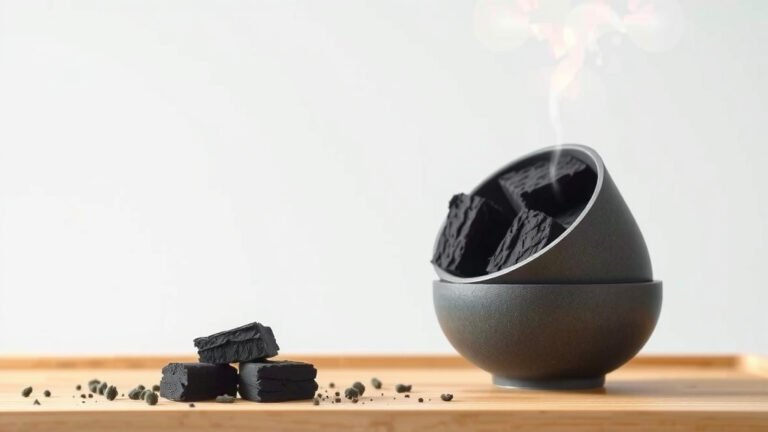
If your air purifier has an activated carbon filter, it’s working to remove odors, gases, and VOCs (Volatile Organic Compounds). This type of filter also gets saturated over time and can no longer absorb effectively.
Carbon filters also generally require replacement, not cleaning. Their lifespan is often similar to or slightly shorter than HEPA filters, typically ranging from 6 to 12 months. Some units have combined HEPA and carbon filters, making replacement a single event.
Don’t Forget the Exterior and Other Parts
While the filters do the heavy lifting for air purification, the rest of your unit needs attention too. A clean exterior helps prevent dust from being drawn into the system unnecessarily.
Wiping Down the Casing
Dust can accumulate on the outside of your air purifier, just like on any other piece of furniture. You can usually wipe down the casing with a soft, damp cloth. Make sure the unit is unplugged before you start cleaning the exterior. This simple step keeps your purifier looking good and prevents extra dust from recirculating. We suggest doing this monthly along with filter checks.
Cleaning the Fan and Vents
Dust can also get into the fan blades and air vents. Carefully use a vacuum cleaner with a brush attachment or a soft brush to remove any dust buildup from these areas. A buildup here can restrict airflow and make the fan motor work harder. Again, unplug the unit before attempting to clean vents or fan components.
Factors Influencing Your Air Purifier’s Cleaning Schedule
While a monthly clean is a good general rule, several factors might mean you need to clean or check your purifier more often. Consider your home environment and how you use the device.
Pets: Furry Friends Mean More Furry Mess
If you share your home with pets, you know they shed. This pet dander and hair can quickly clog up air purifier filters. Many experts say that pet owners should check their filters monthly and clean the pre-filter more frequently, perhaps every two weeks. Replacing HEPA filters might also be needed sooner than the standard recommendation.
Allergies and Asthma: Sensitive Lungs Need Extra Care
For individuals with allergies or asthma, a clean air purifier is essential. If you rely on your purifier to manage symptoms, you’ll want to ensure it’s always working at peak capacity. Research shows that regular maintenance is key for people with respiratory conditions (CDC).
This means sticking to a strict cleaning and replacement schedule. Don’t wait for the indicator lights if you have severe allergies. You might find that cleaning the pre-filter weekly and replacing HEPA filters on the earlier end of their lifespan is beneficial.
Air Quality: Smog, Smoke, and Dust
Where you live plays a big role. If you’re in a city with high pollution levels, near a busy road, or often deal with smoke (from wildfires or cooking), your air purifier will work harder.
In these situations, filters can become saturated much faster. We found that homes in very dusty or polluted areas might benefit from checking filters every two weeks and replacing them more often. It’s better to swap out a filter a bit early than to let it become ineffective.
Usage Habits: Continuous Operation vs. Intermittent Use
Do you run your air purifier 24/7, or only when you’re home or notice an odor? Continuous use means the filters are constantly exposed to air particles, leading to faster saturation.
If your air purifier is running all the time, you should definitely stick to the monthly cleaning routine. If you only use it intermittently, you might be able to extend the time between cleanings slightly. However, it’s still wise to inspect filters at least monthly to ensure they are performing as expected.
When to Replace vs. When to Clean
It’s important to know the difference between cleaning accessible parts and replacing non-washable filters.
| Component | Action | Frequency Guideline |
|---|---|---|
| Pre-Filter | Wash or Vacuum | Monthly (or bi-weekly for pets/dust) |
| HEPA Filter | Replace | Every 6-12 months (check manual) |
| Activated Carbon Filter | Replace | Every 6-12 months (check manual) |
| Exterior Casing | Wipe Down | Monthly |
| Vents & Fan Grills | Brush/Vacuum | Monthly |
Always refer to your specific air purifier’s user manual. Different models have unique requirements. Your manual is the ultimate guide for the best care of your device.
A Quick Maintenance Checklist for Your Air Purifier
Here’s a handy checklist to keep your air purifier in top shape:
- Unplug your air purifier before any cleaning.
- Check the pre-filter for visible dust and debris.
- Clean or replace filters according to your manual’s advice.
- Wipe down the exterior with a damp cloth.
- Gently brush or vacuum air vents and fan grills.
- Reassemble and plug in your clean machine.
Conclusion
You’ve learned that keeping your air purifier clean is essential for healthy air at home. Remember, a monthly check on your filters and exterior is your best bet for peak performance. This simple habit protects your health and extends your purifier’s lifespan, saving you money and hassle. Don’t let dust bunnies win the battle for clean air! Your next step is to grab your air purifier’s manual and schedule that first monthly clean. Your lungs will thank you.
Frequently Asked Questions
Can I just rinse my HEPA filter instead of replacing it?
Generally, no. HEPA filters are designed to trap microscopic particles and are not meant to be washed. Rinsing can damage the delicate filter fibers, making it less effective or even unusable. Always refer to your manual to confirm if your specific HEPA filter is washable, though most are designed for replacement only.
What happens if I never clean my air purifier?
If you never clean your air purifier, dust and debris will build up on the filters. This clogs the filters, significantly reducing airflow and purification efficiency. Your unit will struggle to clean your air, potentially leading to a shorter lifespan and increased energy consumption.
How often should I clean my air purifier if I have severe allergies?
If you have severe allergies or asthma, it’s wise to clean your air purifier more frequently. We found that checking and cleaning the pre-filter weekly can be beneficial. You may also want to replace the HEPA filter on the earlier end of its recommended lifespan to ensure optimal performance.
Is it okay to use a vacuum cleaner on my air purifier filters?
You can often use a vacuum cleaner with a brush attachment to clean the pre-filter, which catches larger particles. However, avoid vacuuming HEPA filters as this can damage them and reduce their effectiveness. Always check your model’s manual for specific instructions on vacuuming different filter types.
Can I run my air purifier outside of the recommended cleaning schedule?
While you can run your air purifier without cleaning, it’s not recommended. Your purifier will become less effective, and you might even push trapped pollutants back into the air. Sticking to the recommended cleaning schedule, or adjusting it based on your home environment, ensures you’re getting the most benefit.
![5 Best Air Purifier for Cat Owners [In 2026]](https://homeunderstandable.com/wp-content/uploads/2025/06/best-air-purifier-for-cat.jpg)