How Often to Change Your Air Purifier Filter
You should plan to change your air purifier filter every 6 to 12 months, but the exact timing depends on several factors. For heavily used purifiers or those tackling tough air quality issues like smoke or pet dander, you might need to swap filters much sooner, sometimes as often as every 3 months. Checking your air purifier’s filter life indicator is key for optimal performance.
Ignoring filter changes means your purifier works harder and less effectively. A clogged filter can’t capture new pollutants, so your air quality actually suffers. Think of it like a dirty sponge; it just pushes things around. Many experts agree that regular filter maintenance is essential for clean air and a healthy home environment. Your purifier’s performance relies on it.
- Filters typically last 6-12 months.
- Heavy use or specific pollutants shorten lifespan.
- Check your purifier’s filter indicator light.
- Dirty filters reduce effectiveness and air quality.
- Clean filters mean a healthier home.
Let’s dive into what influences how often you’ll be reaching for a new filter and how to know when it’s time.
When to Replace Your Air Purifier Filter
You’re probably wondering, “How often do I really need to change my air purifier filter?” The simple answer is: it varies. Most manufacturers suggest a replacement every six to twelve months. This is a good general guideline to keep your air purifier running efficiently. But, your specific situation might call for more frequent changes.
Understanding Your Filter’s Lifespan
Think of your air purifier filter like a net. It catches all sorts of unwanted particles from your air. Over time, this net gets full. A full filter can’t catch new pollutants effectively. It might even start to release the particles it has already captured back into your air. That’s the opposite of what you want!
Factors Influencing Filter Life
Several things can shorten your filter’s life. High on the list is how much you use your air purifier. If you run it 24/7, the filter will fill up faster than if you only use it a few hours a day. The environment where you live also plays a big role. Areas with higher pollution levels will clog filters more quickly.
Do you have pets? Pet dander is a common culprit for faster filter clogging. Smoke from cooking or fireplaces also puts a heavy load on your filter. Even dust in your home can contribute. We found that households with these specific issues often need to change filters more often than the standard six to twelve months.
The Role of Air Quality
Poor indoor air quality is a major factor. If you or someone in your home suffers from allergies or asthma, your air purifier likely works overtime. This constant effort means the filter captures more allergens and irritants. As a result, it will reach its capacity much sooner. Research suggests that for individuals with respiratory conditions, maintaining a clean filter is especially important (CDC).
Signs Your Air Purifier Filter Needs Changing
Beyond the recommended timeframe, your air purifier itself will often give you clues. Many modern units come equipped with a filter life indicator light. This light is your best friend. It’s designed to tell you when the filter is nearing the end of its useful life. Always consult your air purifier’s manual to understand what this indicator means.
Observing Performance Changes
Has your air purifier started to sound different? A struggling motor might be working harder because of a clogged filter. You might notice a decrease in the amount of air being pushed out. Does the air in your home seem less fresh, even though the purifier is running? These are all signs that your filter needs attention.
Another common sign is a musty or unpleasant odor. When filters become saturated with pollutants, they can start to emit odors. This is a clear indicator that the filter is no longer trapping particles effectively and may even be a source of new smells.
Visual Inspection
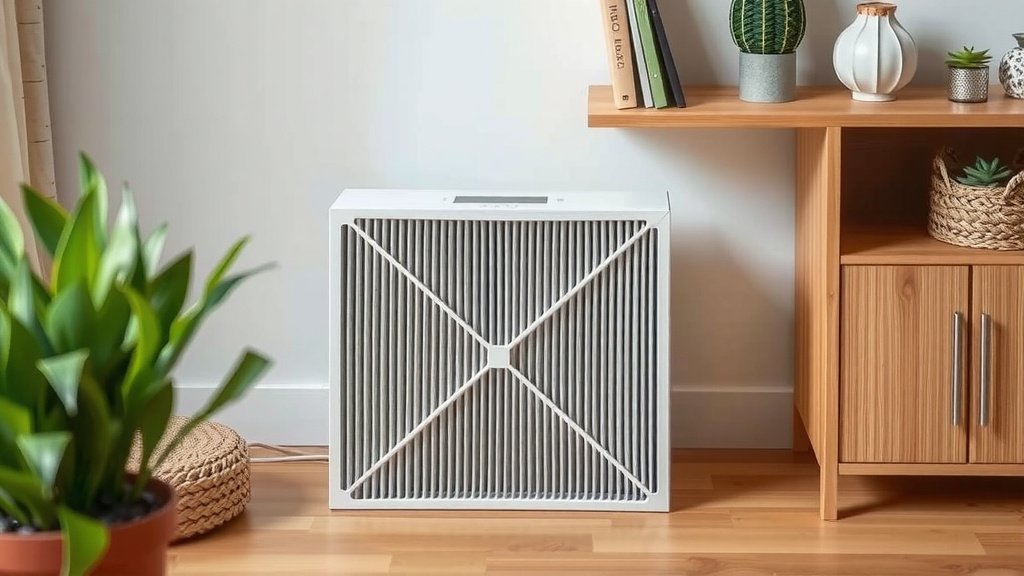
You can also perform a simple visual check. If you’ve removed the filter, take a good look at it. Is it visibly coated in dust and grime? Does it look discolored? A filter that appears dark, dirty, or compacted is a strong signal that it’s time for a replacement. You might be surprised how much gunk a filter can collect!
Different Filter Types and Their Lifespans
Not all air purifier filters are created equal. The type of filter your unit uses significantly impacts how often you’ll need to replace it. The most common types are HEPA filters and activated carbon filters.
HEPA Filters
True HEPA filters are designed to capture 99.97% of airborne particles down to 0.3 microns. These include things like dust mites, pollen, and pet dander. Because they are so efficient at trapping particles, they can become clogged relatively quickly, especially in dusty environments. We found that typical HEPA filter replacement is recommended every 6 to 12 months.
Activated Carbon Filters
Activated carbon filters are excellent at absorbing odors, gases, and volatile organic compounds (VOCs). They work through adsorption, where pollutants stick to the surface of the carbon. These filters tend to have a shorter lifespan than HEPA filters because their adsorptive capacity can be depleted. For this reason, activated carbon filters are often recommended for replacement every 3 to 6 months, especially if you are dealing with strong odors.
Combination Filters
Many air purifiers use a combination of a pre-filter, a HEPA filter, and an activated carbon filter. The pre-filter usually captures larger particles like hair and lint. This helps to extend the life of the HEPA and carbon filters. When considering replacement, you often replace the HEPA and carbon components together, but check your specific model’s recommendations. Some pre-filters are washable, which can save you money and extend their usability.
Making Filter Replacement a Routine
The best way to ensure clean air is to make filter replacement a regular part of your home maintenance. Think of it like changing the oil in your car. You don’t wait for the engine to seize; you follow a schedule.
Here’s a simple checklist to help you stay on track:
- Mark your calendar for filter changes based on the manufacturer’s recommendation.
- Note the date of your last filter change.
- Set a reminder on your phone or smart home device.
- Visually inspect your filter every few months.
- Pay attention to any changes in your air purifier’s performance.
By being mindful of these factors and listening to your air purifier, you can ensure it’s always working its best for your health and comfort. A little bit of regular maintenance goes a long way toward breathing easier.
Conclusion
Changing your air purifier filter is more than just maintenance; it’s key to your home’s health. You’ve learned that the 6-to-12-month guideline is a starting point. Factors like pets, smoke, and your home’s air quality can mean more frequent changes. Watching for indicator lights and signs like reduced airflow or odd smells will guide you. By making filter replacement a routine, you ensure your purifier effectively cleans your air. Take a moment today to check your air purifier’s manual and mark your calendar for the next filter change. Your lungs will thank you for breathing cleaner air.
Frequently Asked Questions
How often should I change my air purifier filter if I have pets?
If you have pets, their dander can clog filters faster. We found that pet owners often need to replace filters every 3 to 6 months. This is shorter than the standard 6-to-12-month recommendation. Regular checks can help you determine the exact timing for your home.
Can I wash my air purifier filter instead of replacing it?
Some pre-filters are washable and reusable, which can extend their life. However, HEPA and activated carbon filters are typically designed for single use and cannot be washed. Washing these types of filters can damage them and reduce their effectiveness.
What happens if I don’t change my air purifier filter often enough?
If you don’t change your filter regularly, it will become clogged. A clogged filter can’t capture new pollutants. It might even start pushing trapped particles back into your air. This means your air quality can actually get worse.
Does the size of my air purifier affect filter replacement frequency?
Generally, larger air purifiers designed for bigger rooms may have larger filters that last longer. Smaller units for smaller spaces might have smaller filters that fill up more quickly. Always refer to your specific model’s manual for accurate recommendations.
Are expensive replacement filters better than cheaper ones?
When selecting replacement filters, sticking to the brand recommended by your air purifier manufacturer is usually best. These are designed to fit and function optimally with your specific unit. While some aftermarket filters might seem cheaper, they may not offer the same level of performance or longevity.