Choosing the Right Air Purifier for Your Home
Choosing the right air purifier is all about finding a healthy balance between clean air and your specific needs. You’ll want to consider the room size, the types of pollutants you want to tackle, and the type of filter that best suits your situation. Getting this right means breathing easier at home.
We know that air purifiers can seem a little overwhelming at first. There are so many options out there! But many experts agree that focusing on a few key features can help you make a smart purchase. Think of it as finding your perfect clean-air companion.
- Room Size Matters: Match the purifier’s capacity to your space.
- Filter Type is Key: HEPA filters are great for most common allergens.
- Consider Your Needs: Are you battling pet dander or cooking odors?
- Noise Level: Some purifiers are quieter than others.
Ready to find the perfect air purifier for your home? Let’s walk through the essential steps to make sure you get the best clean air possible.
Picking the Perfect Air Purifier for Your Home
Finding the right air purifier is easier than you might think. It’s mostly about matching the purifier’s capabilities to your home’s needs. We’ve broken down the process into simple steps. This will help you breathe cleaner air without any guesswork.
Assessing Your Space and Air Quality Needs
Before you even look at models, take a moment to understand your situation. What are you trying to achieve with an air purifier? Answering this question will guide your choices significantly.
Understanding Your Pollutant Concerns
What’s floating around in your air? Common culprits include dust, pet dander, pollen, mold spores, and smoke. You might also be concerned about cooking odors or volatile organic compounds (VOCs) from cleaning supplies or new furniture.
If allergies are a big issue in your home, you’ll want a purifier that excels at capturing tiny particles like pollen and dander. For pet owners, dander and odors are often the main focus. If you live near a busy road or have a smoker in the house, smoke and exhaust particles become more important.
Room Size and CADR Ratings
This is probably the most important factor. An air purifier is rated for a specific room size. Putting a small purifier in a large room won’t do much. Likewise, an oversized unit in a tiny bedroom can be noisy and overkill.
Look for the Clean Air Delivery Rate (CADR). This rating tells you how quickly a purifier can clean the air in a room. Higher CADR numbers mean faster cleaning. They are usually given for three types of pollutants: dust, pollen, and smoke. You want a CADR rating that is appropriate for the square footage of the room where you’ll use it most.
Manufacturers often provide guidelines for room size coverage. A good rule of thumb is to ensure the purifier is rated for a room slightly larger than yours. This ensures it can effectively clean the air even on lower, quieter settings.
Considering Your Specific Air Quality Goals
Are you focused on general air freshness, or do you have specific issues? For instance, if you have a smoker in the house, an activated carbon filter is essential for removing odors and gases. If mold is a concern, a HEPA filter will trap spores effectively.
Many experts suggest that if you’re unsure, a unit with a robust HEPA filter and a good carbon pre-filter is a solid choice for most common household air quality issues (Cleveland Clinic).
Understanding Air Purifier Filter Types
The filter is the heart of any air purifier. Different filters are designed to capture different types of pollutants. Knowing what each does will help you choose wisely.
The Power of HEPA Filters
HEPA stands for High-Efficiency Particulate Air. A true HEPA filter is designed to capture at least 99.97% of airborne particles 0.3 microns in size. This includes common allergens like pollen, dust mites, pet dander, and mold spores. Many health organizations recommend HEPA filters for improving indoor air quality (CDC).
When looking for a HEPA filter, ensure it’s a “True HEPA” filter. Some purifiers claim to have “HEPA-type” or “HEPA-like” filters, which are not as effective and don’t meet the strict standards.
Activated Carbon Filters for Odors and Gases
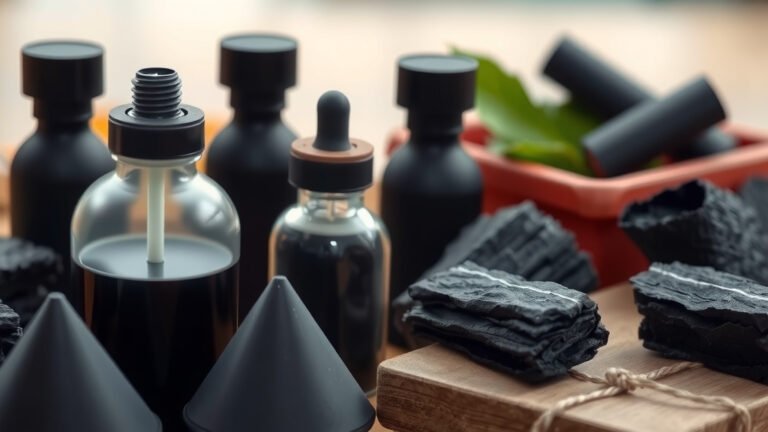
Activated carbon filters are made from charcoal that has been treated to be extremely porous. This porous structure allows it to adsorb (trap on its surface) gases, odors, and VOCs. If cooking smells, pet odors, or chemical fumes are a problem, this filter type is a must.
These filters work best when paired with a HEPA filter. The HEPA filter tackles the particles, while the carbon filter handles the odors and gases. The effectiveness of a carbon filter often depends on the amount of carbon used; more carbon generally means better odor removal.
Pre-filters for Particle Capture
A pre-filter is the first line of defense. It’s usually a washable mesh that captures larger particles like hair and big dust bunnies. This is important because it protects the more delicate HEPA and carbon filters.
By trapping larger debris, the pre-filter extends the life of your other filters. You’ll typically need to clean or replace the pre-filter more often than the others. Many purifiers have a built-in, washable pre-filter.
Key Features to Consider
Beyond the filters, several other features can impact your experience with an air purifier. Thinking about these beforehand can save you from future frustrations.
Noise Levels: Your Silent Helper or Disruptor?
Air purifiers have fans, and fans make noise. The noise level is usually measured in decibels (dB). A whisper-quiet setting might be around 20-30 dB, while a high setting could be 50-60 dB or more.
Consider where you’ll use the purifier. A bedroom unit should ideally be very quiet, especially for light sleepers. A living room unit might tolerate a bit more noise, especially if you only run it on high occasionally. Many purifiers offer an automatic or sleep mode that runs quietly.
Energy Consumption and Costs
Air purifiers run for long periods, so energy efficiency matters. Look for the Energy Star certification. These models are designed to use less electricity without sacrificing performance.
Keep in mind the ongoing costs. Filters need to be replaced periodically, typically every 6-12 months depending on usage and the filter type. Factor this into your overall budget.
Additional Features to Explore
Some purifiers come with extra bells and whistles. These can include smart features like Wi-Fi connectivity, app control, and air quality sensors that automatically adjust fan speed. Others might have UV-C lights intended to kill germs, though their effectiveness can vary.
Evaluate if these extras are worth the added cost for your needs. For many, the core function of effective filtration is the most important aspect. A simple, well-built unit with great filters often outperforms a feature-packed one with mediocre filtration.
A Quick Checklist for Choosing Your Purifier:
- Confirm the room size matches the purifier’s capacity.
- Ensure it has a True HEPA filter.
- Look for an activated carbon filter if odors are a concern.
- Check the noise level for your intended room.
- Consider energy efficiency (e.g., Energy Star rated).
- Factor in the cost and frequency of filter replacements.
Conclusion
You’ve learned how to choose the right air purifier for your home. It boils down to understanding your air quality concerns and your space. Matching the purifier’s capacity and filter types to your needs is key. Think about HEPA for allergens and carbon for odors. Don’t forget to check noise levels and ongoing costs like filter replacements.
Taking these steps will help you make a smart choice. You’ll be on your way to breathing cleaner, fresher air in your living space. Your next step is to assess your room size and identify the main pollutants you want to target. Then, confidently shop for a unit that meets those specific requirements.
Frequently Asked Questions
How do I know what size air purifier I need?
You’ll want to match the air purifier’s coverage area to the square footage of your room. Check the manufacturer’s recommendations for room size, or look at the Clean Air Delivery Rate (CADR) for dust, pollen, and smoke. Choosing a unit rated for a slightly larger room ensures effective cleaning.
Are HEPA filters really necessary for everyone?
True HEPA filters are highly recommended if you suffer from allergies, asthma, or have pets. They capture at least 99.97% of tiny particles like pollen, dander, and dust mites. For general air freshness, they offer a significant improvement for most households.
What’s the difference between a HEPA-like filter and a True HEPA filter?
A “True HEPA” filter meets strict standards for capturing 99.97% of particles at 0.3 microns. “HEPA-like” or “HEPA-type” filters do not meet these standards and are less effective at trapping very small airborne pollutants. Always look for the “True HEPA” designation.
How often do I need to replace the filters?
Filter replacement frequency varies by model and usage, but typically ranges from 6 to 12 months for HEPA and carbon filters. Pre-filters, which catch larger particles, may need cleaning or replacement more often. Check your purifier’s manual for specific recommendations.
Can an air purifier get rid of cooking smells?
Yes, an air purifier with an activated carbon filter can effectively remove cooking odors and other common household smells. The carbon adsorbs gases and VOCs, while a HEPA filter captures any airborne particles released during cooking. Look for a unit that combines both filter types for best results.