How to Clean Your Shark Air Purifier HEPA Filter
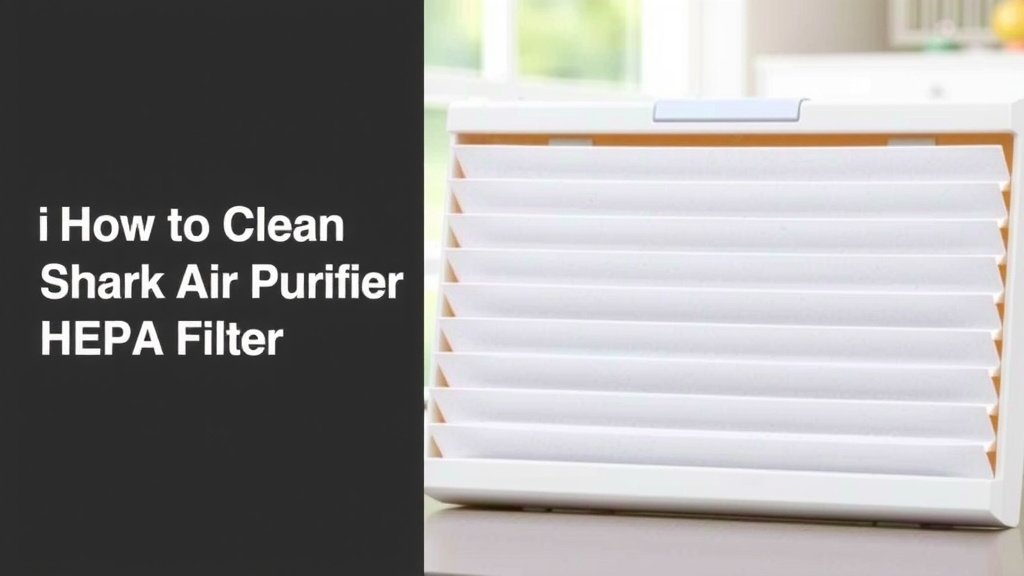
The easiest way to clean your Shark air purifier HEPA filter is to gently vacuum it about once a month. You should never wash it with water. This method helps maintain its performance. It’s a simple step for cleaner air in your home.
Keeping your Shark air purifier’s filter clean is essential. A dirty filter can reduce its effectiveness. This means less clean air for you and your family. Regular maintenance ensures you’re breathing the freshest air possible. It’s a small effort for a big air quality difference.
- Vacuum your HEPA filter monthly.
- Do not use water to clean it.
- This keeps your purifier working its best.
- Enjoy fresher air with simple upkeep.
Ready to get your filter looking and working its best? Let’s walk through exactly how to do it, step by step.
Caring for Your Shark Air Purifier HEPA Filter
Keeping your Shark air purifier’s HEPA filter in top shape is simpler than you might think. You’ve probably seen that the filter needs attention now and then. The good news is that a little regular care goes a long way.
When to Clean Your Shark HEPA Filter
Most manufacturers recommend cleaning your HEPA filter about once a month. This can change based on your home’s air quality. If you have pets, allergies, or live in a dusty area, you might need to clean it more often. Pay attention to the air purifier’s indicator lights. Many models will tell you when the filter needs attention.
Why Cleaning is Important
A clean filter works much better. It can capture more dust, pollen, and other allergens. A clogged filter makes your air purifier work harder. This uses more electricity. It also means less clean air for your home. Think of it like trying to breathe through a dirty mask. It’s not as effective, is it?
The Gentle Vacuuming Method
The best way to clean your Shark HEPA filter is with a vacuum cleaner. This is the method most recommended by experts. It’s gentle and effective for removing surface dust and debris. Remember, water and HEPA filters don’t mix.
Tools You’ll Need
Gather a few simple items before you start. You’ll need your Shark air purifier. You’ll also need a vacuum cleaner. Make sure your vacuum has a brush attachment or a hose attachment. This makes it easy to get into the filter’s pleats. A soft cloth might also be helpful for dusting the exterior of the unit.
Step-by-Step Vacuuming Guide
First, make sure your air purifier is unplugged. Safety first is always a good rule. Open the air purifier to access the filter. You’ll usually find a cover or panel on the back or side. Consult your Shark manual if you’re unsure how to open it.
Once you have the filter out, set it on a flat surface. Take your vacuum cleaner. Use the brush attachment. Gently vacuum the surface of the HEPA filter. Work your way up and down the pleats. Be careful not to press too hard. You want to remove the dust, not damage the filter material.
Many sources, like the Environmental Protection Agency (EPA), suggest regular vacuuming of HVAC filters to maintain airflow. This same principle applies to your portable air purifier filters. They recommend a gentle approach to avoid tearing or damaging the filter media.
What to Avoid During Cleaning
This is a really important point. Never wash your HEPA filter with water. HEPA filters are made of a dense, fibrous material. Getting them wet can ruin the filter’s structure. It can also damage the electronic components of your air purifier. Water can seep into the motor. This could lead to costly repairs or a complete failure of the unit. Stick to dry cleaning methods only.
Also, avoid using compressed air. While it might seem like a good idea to blast away dust, it can actually push the particles deeper into the filter. It can also be too powerful. This could tear the delicate filter fibers. Gentle vacuuming is your best bet.
When to Replace Your Shark HEPA Filter
Even with regular cleaning, HEPA filters don’t last forever. They capture a lot of tiny particles over time. Eventually, they become saturated and less effective. Most manufacturers suggest replacing the HEPA filter every 6 to 12 months. This timeline can vary depending on usage and air quality. Check your Shark manual for specific recommendations for your model.
You’ll know it’s time for a replacement when you notice a decrease in air purification performance. If the filter looks visibly gray or dirty even after vacuuming, it’s probably time for a new one. Some Shark models have a filter replacement indicator light. This is a handy reminder.
Finding Replacement Filters
It’s best to use genuine Shark replacement filters. These are designed to fit your specific model. They also meet the performance standards that Shark sets. You can usually find these filters on the Shark website or through authorized retailers. Make sure you get the correct filter number for your air purifier.
Quick Checklist for Filter Maintenance
Here’s a quick rundown to keep your filter in great shape:
- Unplug your air purifier before starting.
- Gently vacuum the HEPA filter surface.
- Use a brush or hose attachment.
- Work along the pleats carefully.
- Never use water or compressed air.
- Replace the filter every 6-12 months.
A Note on Other Filter Layers
Some Shark air purifiers have multiple filter layers. You might have a pre-filter or an activated carbon filter. These often have different cleaning instructions. The pre-filter is usually washable. The carbon filter typically needs replacement, not cleaning. Always check your owner’s manual to understand each layer of your specific filtration system.
Ensuring Optimal Performance
A well-maintained filter is key to your air purifier’s success. Think of it as the lungs of your machine. When its lungs are clear, it can breathe deeply and purify your air effectively. Regular cleaning and timely replacement ensure you get the most out of your investment. It means better air quality for your home and everyone in it.
Conclusion
You’ve learned that keeping your Shark air purifier’s HEPA filter clean is a straightforward process. Remember, gentle vacuuming is your best friend, and water is definitely not. This simple maintenance routine ensures your purifier runs efficiently, capturing more pollutants and providing you with cleaner air. Don’t forget to replace the filter entirely when it reaches the end of its lifespan, typically every 6 to 12 months. Now, go ahead and give your filter that quick clean – your lungs will thank you!
Frequently Asked Questions
Can I really not wash my Shark HEPA filter at all?
That’s correct, you should never wash your Shark HEPA filter with water. The delicate fibers that trap tiny particles can be permanently damaged by moisture. This damage reduces the filter’s effectiveness and could even harm your air purifier’s motor.
How often should I check my Shark HEPA filter?
It’s a good idea to check your Shark HEPA filter about once a month. If you have pets, allergies, or live in a dusty environment, you might need to check it more frequently. Many Shark models also have indicator lights that will alert you when maintenance is needed.
What kind of vacuum attachment is best for cleaning the HEPA filter?
A brush attachment or a hose attachment on your vacuum cleaner works best. This allows you to gently go over the pleats of the filter without damaging the material. Be sure to use a light touch to avoid tearing or compressing the filter fibers.
My filter looks dirty even after vacuuming. Is it time to replace it?
If your filter appears heavily discolored or dirty even after a thorough vacuuming, it’s likely time for a replacement. Even with regular cleaning, HEPA filters eventually become saturated with captured particles and lose their effectiveness.
What’s the difference between a HEPA filter and a pre-filter on my Shark?
Many Shark air purifiers have multiple layers. The HEPA filter is the one you should never wash. The pre-filter, often a mesh layer, is designed to catch larger particles and is typically washable. Always consult your specific model’s manual for correct cleaning instructions for each filter component.
![5 Best Air Purifier for Cheap [In 2026]](https://homeunderstandable.com/wp-content/uploads/2025/06/best-air-purifier-for-cheap-top-affordable-options-for-fresh-air-768x384.jpg)