When to Replace Your Dyson Air Purifier Filter
You should change your Dyson air purifier filter approximately every 6 to 12 months. This timeframe can vary depending on usage and your home’s air quality. Keeping your filter fresh ensures you’re breathing the cleanest air possible.
How often you need to swap out your Dyson filter is mostly tied to how much it works. If you run it 24/7 in a dusty environment, you might need to do it sooner. A clean filter is key for peak performance and reducing allergens. Many users find checking it every few months helps them stay on track.
- Filter life is typically 6-12 months.
- Heavy use means more frequent changes.
- Check your purifier’s indicator lights.
- Clean air depends on a good filter.
Let’s get into the specifics of when and how to change your Dyson air purifier filter so your home stays fresh and healthy.
When Should You Consider Replacing Your Dyson Air Purifier Filter?
Deciding when to change your Dyson air purifier filter boils down to a few key factors. Most Dyson models are designed with their filters lasting between 6 to 12 months of typical use. Think of it like changing the oil in your car; it’s essential maintenance for optimal performance. But what does “typical use” actually mean for your home?
The honest answer is: it varies. Your purifier’s filter works hard to capture microscopic particles, and the harder it works, the sooner it will need a refresh. We found that understanding your home’s unique environment is the best way to predict when that change is due.
Understanding Your Dyson’s Built-In Indicators
Your Dyson air purifier is pretty smart. It actually has built-in indicators to let you know when the filter needs attention. These aren’t just random lights; they’re calculated based on how much your machine has been running and how much work the filter has been doing. Most models will display a clear notification on the screen or via the Dyson Link app. We found these indicators to be quite reliable for most users.
Don’t ignore these alerts! They are your Dyson’s way of saying, “Hey, I need a new filter to keep breathing easy and cleaning your air effectively.” Ignoring them means you might not be getting the best possible air quality.
Factors That Influence Filter Lifespan
While 6-12 months is the general guideline, several factors can speed up or slow down the need for a filter change. Let’s look at what impacts your filter’s longevity.
Usage Intensity and Duration
If you run your Dyson purifier 24/7, especially on higher fan speeds, the filter will naturally wear out faster. Imagine a sponge that’s constantly being squeezed; it won’t last as long as one used only occasionally. We found that homes where the purifier runs continuously need more frequent replacements.
Your Home’s Air Quality Conditions
This is a big one. Do you live near a busy road with lots of traffic pollution? Are there smokers in the house? Do you have pets that shed a lot? Or perhaps you live in an area prone to dust storms or wildfires? All these scenarios mean your air purifier is working overtime to combat pollutants. We found that high-pollen seasons or increased dust levels can significantly shorten filter life.
For instance, if you have multiple pets or someone in the household has allergies or asthma, your purifier is likely working harder to capture dander, dust mites, and other allergens. This extra effort means the filter media gets clogged up sooner. Many health organizations, like the American Lung Association, highlight the importance of clean air filters for managing respiratory conditions.
Environmental Factors Like Dust and Pet Dander
Let’s be honest, our homes aren’t always pristine. Dust bunnies are practically a rite of passage in many households. And if you have furry friends, their dander is a constant presence. These particles are exactly what your Dyson filter is designed to trap. The more of these particles in your air, the more the filter absorbs, and the faster it becomes saturated.
We found that homes with pets often need filter changes closer to the 6-month mark, especially if the pets are indoor pets and shedding is noticeable. It’s a good idea to visually inspect your filter periodically if you have pets, even if the indicator hasn’t lit up yet.
Location Within Your Home
Where you place your Dyson purifier can also play a role. If it’s in a high-traffic area like a living room or kitchen, it will likely be running more often and exposed to more airborne particles. A unit placed in a less-used bedroom might see its filter last longer.
Visual Inspection: A Practical Approach
While Dyson’s indicators are helpful, a quick visual check can give you even more peace of mind. You don’t need to be an expert to do this. Simply remove the filter and look at it. Does it appear visibly dirty, grey, or clogged with debris? If it looks like it’s seen better days, it’s probably time for a new one.
We recommend this visual inspection roughly every 3-4 months, especially if you fall into any of the “high-impact” categories we discussed. It’s like checking on your plants; a quick glance tells you if they need watering. A dirty filter can look quite grim and might even start to smell musty.
How Filter Changes Impact Performance
Why is changing the filter so important? A clean filter is essential for your Dyson to perform at its best. When the filter is clogged, airflow is restricted. This means the purifier can’t draw in as much air to clean, and its overall efficiency drops. Think of trying to breathe through a thick blanket; it’s a struggle!
We found that a saturated filter can also lead to increased noise as the motor works harder to pull air through. More importantly, a dirty filter can become a breeding ground for bacteria and mold, which defeats the purpose of having an air purifier in the first place. Ensuring your filter is clean means your Dyson can continue to capture 99.97% of particles as it’s designed to do.
The Dyson Link App: Your Digital Assistant
For many Dyson models, the Dyson Link app is a fantastic tool. It often provides real-time filter life status, specific to your usage. You can typically check the percentage of filter life remaining right from your smartphone. We found this to be incredibly convenient for staying on top of maintenance.
The app can also send you notifications when it’s time to order a replacement filter. This removes the guesswork and ensures you’re never caught without a clean filter when you need one most. It’s like having a personal assistant reminding you to take care of your machine.
What Happens If You Don’t Change Your Filter?
Ignoring the need for a new filter can lead to several issues. First, your air purification effectiveness will decrease significantly. The machine simply can’t pull in and filter the air as efficiently. Second, you might notice increased noise levels from the unit as the motor strains.
In some cases, an excessively clogged filter can even cause the unit to overheat or malfunction. Plus, as mentioned, a dirty filter can start to recirculate trapped pollutants or harbor mold and bacteria, negatively impacting your indoor air quality. It’s generally not recommended to attempt washing or vacuuming HEPA filters, as this can damage the delicate filter media and reduce its effectiveness (HEPA filters are designed for replacement, not cleaning).
Making the Filter Change Process Easy
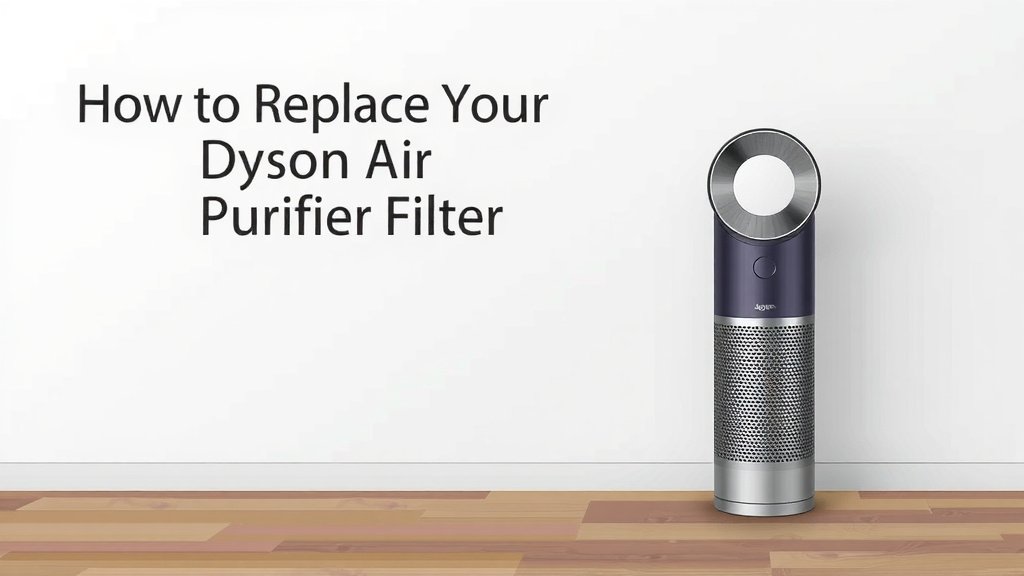
Dyson designs its purifiers for user-friendliness. Swapping out a filter is usually a straightforward process. Typically, you’ll need to twist off the filter housing, remove the old filter, insert the new one, and then twist the housing back on. Your purifier’s manual or the Dyson website will have specific instructions for your model.
We found that having a new filter on hand before you need it makes the whole process smoother. This way, when your indicator lights up, you can perform the swap immediately and get back to enjoying cleaner air. Many users find it helpful to keep a spare filter in a cool, dry place.
A Quick Checklist for Filter Management
To help you stay on track, here’s a simple checklist:
- Check your Dyson’s indicator lights regularly.
- If you have pets or live in a dusty area, visually inspect your filter every 3-4 months.
- Use the Dyson Link app for real-time filter status updates.
- Note that heavy usage (24/7 operation) means you’ll likely need changes closer to the 6-month mark.
- Keep a spare filter on hand for quick replacement.
- Replace your filter when prompted by the machine or app for optimal performance.
Conclusion
Keeping your Dyson air purifier running at its best is all about maintaining its filter. Remember, a general guideline of 6 to 12 months is a starting point, but your home’s unique conditions play a big role. Pay attention to your purifier’s built-in alerts and the Dyson Link app for the most accurate timing.
Don’t forget that visual inspections every few months can also provide extra assurance, especially if you have pets or live in a high-pollen area. By staying on top of filter changes, you ensure you’re always breathing the cleanest, freshest air possible. Your next step? Check your purifier’s indicator or the app right now to see if it’s time for a change!
Frequently Asked Questions
How do I know exactly when my Dyson filter needs changing?
Your Dyson air purifier has built-in indicators that will alert you when the filter needs attention. Additionally, the Dyson Link app often provides real-time filter life status. We found these digital reminders to be the most reliable way to know precisely when to replace your filter.
Can I wash my Dyson HEPA filter instead of replacing it?
No, Dyson HEPA filters are designed for replacement, not washing. Attempting to clean them can damage the delicate filter media. We’ve found that washing can reduce its effectiveness, meaning it won’t capture particles as well.
Will running my Dyson purifier on a high setting shorten the filter life?
Yes, consistently running your Dyson purifier on higher fan speeds will cause the filter to wear out faster. This is because the motor is working harder and pulling more air through the filter. We found that heavy, continuous use can mean needing a change closer to the 6-month mark.
What if I don’t have the Dyson Link app or my purifier doesn’t have smart features?
If your Dyson model doesn’t connect to the app or you prefer not to use it, rely on the on-unit indicator lights. We also recommend a regular visual inspection of the filter, especially if you notice changes in air quality or the unit’s performance.
How does poor air quality, like wildfire smoke, affect my filter?
Extreme air quality events, such as wildfire smoke, will significantly shorten your filter’s lifespan. The filter will trap a much higher volume of particulate matter. We found that in such situations, you should check your filter more frequently and be prepared to replace it much sooner than the typical 6-12 months.
![What Is The Best Air Purifier for Eczema [In 2026]](https://homeunderstandable.com/wp-content/uploads/2025/05/best-air-purifier-for-eczema.jpg)