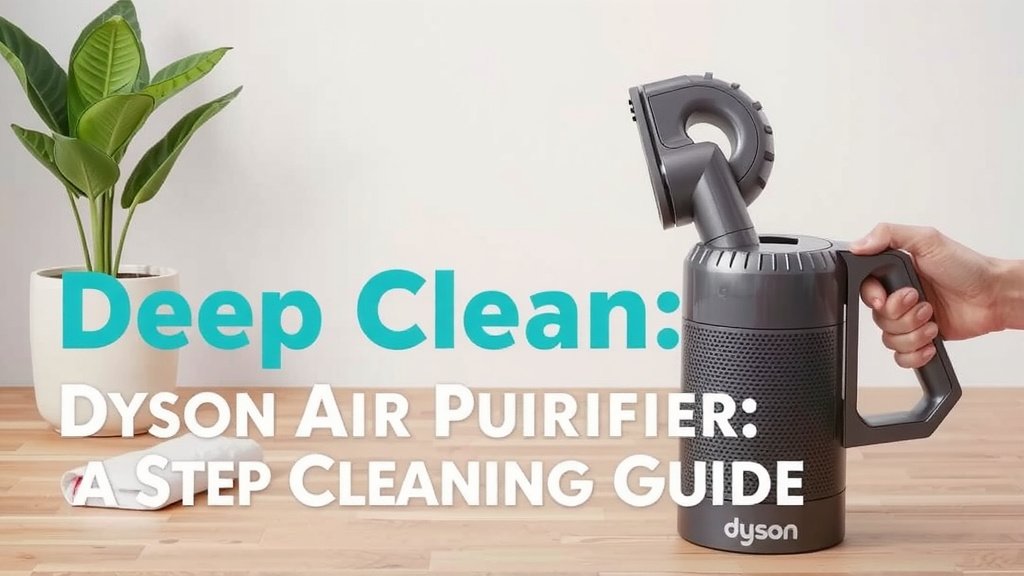
Deep Clean Your Dyson Air Purifier: A Step-by-Step Guide
The easiest way to deep clean your Dyson air purifier is by disassembling it carefully and washing removable parts. You’ll want to start by unplugging it. Then, remove the outer casing and the filter. Most Dyson purifiers have filters that can be wiped down or vacuumed. For deeper cleaning, you’ll address the motor housing and fan blades. This routine maintenance keeps your air purifier running efficiently.
Keeping your Dyson air purifier clean is key for healthy air. Over time, dust and debris can build up on the filters and internal components. This buildup can reduce airflow and impact performance. Regular deep cleaning ensures you’re breathing the cleanest possible air. Many owners find that a thorough clean also helps maintain optimal performance and extends the unit’s lifespan.
- Unplug your Dyson purifier first.
- Remove and clean or replace the filter as recommended.
- Wipe down the exterior and interior components.
- Use a vacuum with a brush attachment for dust.
- Allow all parts to dry completely before reassembly.
Let’s walk through exactly how to give your Dyson air purifier a thorough deep clean, step by step.
Maintaining Your Dyson Air Purifier: A Deep Cleaning Guide
Giving your Dyson air purifier a thorough cleaning is essential for ensuring it continues to deliver the clean air you expect. Over time, dust, pet dander, and other airborne particles can accumulate. This buildup not only affects air quality but can also impact your purifier’s efficiency. Let’s get your machine sparkling and running at its best.
Getting Started: Safety First!
Before you begin any deep cleaning, the most important step is to unplug your Dyson air purifier. This is a non-negotiable safety measure. Working on any electrical appliance while it’s powered on can lead to shocks or damage. Make sure it’s completely disconnected from the power source.
Disassembling Your Dyson Unit
Carefully taking your Dyson apart is the next step. Most models feature a design that allows for relatively easy access to internal components. You’ll want to consult your specific Dyson model’s manual if you’re unsure about any part. However, generally, the process involves removing the outer casing and then the filter assembly.
Removing the Outer Casing
Many Dyson air purifiers have a casing that can be lifted or twisted off. Look for any release buttons or latches. Sometimes, a gentle pull is all it takes. You’re aiming to expose the core components, including the fan and motor housing. Handle these parts with care; they are not meant to be forced.
Accessing and Cleaning the Filter
The filter is the workhorse of your air purifier. Your Dyson’s filter is likely housed within the main unit and can be removed once the outer casing is off. Most Dyson filters are designed for maintenance rather than constant replacement, though some units do have HEPA filters that may need replacing periodically. Check your manual for specifics on your filter type.
Filter Cleaning Methods
For many Dyson filters, a good wipe-down is sufficient. You can use a dry, lint-free cloth to gently remove dust from the filter’s surface. For more stubborn dust, a vacuum cleaner with a soft brush attachment works wonders. Simply move the brush attachment across the filter material. Avoid using water or cleaning solutions on most Dyson filters, as this can damage the material.
Filter Replacement Recommendations
While many filters are washable or can be vacuumed, they don’t last forever. Dyson typically recommends replacing filters after a certain period of use, often around a year, depending on usage and air quality. If you notice a significant drop in performance or the filter appears damaged, it’s likely time for a new one. Using a clean filter is vital for optimal air purification (Cleveland Clinic).
Cleaning the Interior Components
Once the filter is out, you’ll see the fan assembly and motor housing. This is where dust can really settle. You need to be gentle here, as these are delicate parts.
Wiping Down the Fan Blades and Housing
Use a slightly damp cloth (not wet!) to carefully wipe down the fan blades. You’re trying to remove accumulated dust and debris without introducing moisture to the motor. For the motor housing and other plastic interior parts, a damp cloth will work well. Ensure you dry these areas thoroughly afterward with a clean, dry cloth.
Using Your Vacuum for Dust Removal
Your vacuum cleaner is your friend here. Use the crevice tool attachment to reach into tight spots around the fan and motor housing. The brush attachment can also be used on larger surfaces within the unit to lift dust. Work methodically, ensuring you capture as much dust as possible.
Exterior Cleaning and Maintenance
Don’t forget the outside of your Dyson air purifier! A clean exterior not only looks better but also prevents dust from being reintroduced into the air.
Wiping the Exterior Casing
Use a soft, damp cloth to wipe down the entire exterior of your Dyson. For tougher spots, a mild soap solution can be used, but be sure to wipe it clean with a fresh damp cloth afterward. Dry the exterior completely with a soft, dry cloth.
Cleaning the Air Intake and Outlet Vents
The vents are where air enters and exits your purifier. Dust can easily clog these. Use a soft brush or the crevice tool of your vacuum cleaner to gently clean out the intake and outlet vents. This ensures optimal airflow, which is crucial for efficient operation (CDC).
Drying and Reassembly
This is a critical phase to ensure no damage occurs to your Dyson. All parts must be completely dry before you reassemble the unit and plug it back in. Air drying is the best method. You can let the parts sit for several hours or even overnight in a well-ventilated area.
Ensuring Parts are Bone Dry
Moisture left inside your air purifier can lead to mold growth or electrical issues. Take your time. Feel the parts; ensure they are dry to the touch. If you live in a humid climate, you might need to extend the drying time or place parts near a gentle fan (not blowing directly on them, just circulating air).
Putting It All Back Together
Once everything is perfectly dry, carefully reassemble your Dyson air purifier. Follow the reverse of the disassembly steps. Ensure all parts click securely into place. Once reassembled, you can plug it back in and enjoy fresh, clean air.
Quick Checklist for Your Next Deep Clean
Here’s a handy list to keep your Dyson purifier in top shape:
- Unplug the unit.
- Remove and clean/replace the filter.
- Wipe down fan blades and motor housing.
- Vacuum interior and exterior vents.
- Dry all parts completely.
- Reassemble and plug back in.
Conclusion
You’ve now learned how to give your Dyson air purifier the deep clean it deserves. By carefully disassembling, cleaning components like the filter and fan blades, and ensuring everything dries thoroughly, you’re setting yourself up for consistently fresh air. This maintenance routine is key to your purifier’s performance and longevity. Don’t let dust bunnies win! Make deep cleaning a regular habit for the healthiest air in your home.
Frequently Asked Questions
How often should I deep clean my Dyson air purifier?
We recommend a deep clean of your Dyson air purifier at least every 2-3 months. However, if you have pets or live in a dusty environment, you may need to clean it more frequently. Watching for visible dust buildup is also a good indicator.
Can I wash the Dyson air purifier filter with water?
It’s generally best to avoid washing Dyson filters with water unless your specific model’s manual explicitly states it’s safe. Most Dyson filters are designed to be vacuumed or wiped with a dry cloth to prevent damage to the filtration material.
What if I can’t get a part to come off easily?
If a part feels stuck, don’t force it. Double-check your Dyson model’s manual for specific disassembly instructions. Sometimes there’s a hidden latch or a specific twist required. Gentle, persistent effort is usually better than brute force.
How long should I let the parts air dry?
Allowing parts to air dry completely is crucial. We suggest a minimum of several hours, often overnight, in a well-ventilated area. Ensure all parts are completely dry to the touch before reassembly to avoid any moisture-related issues.
Can I use cleaning sprays on my Dyson air purifier?
For most parts, a slightly damp cloth is sufficient. Avoid harsh chemicals or cleaning sprays, especially on internal components like the fan blades and motor. If you must use a mild soap solution for the exterior, ensure it’s wiped off thoroughly with a clean, damp cloth and dried completely.
![5 Best Air Purifier for 300 Square Feet [In 2026]](https://homeunderstandable.com/wp-content/uploads/2025/06/best-air-purifier-for-300-square-feet.jpg)