Maximize Your Air Purifier: Tips for Cleaner Air
To get the most out of your air purifier, you need to place it correctly, change the filters regularly, and run it consistently. Keeping these steps in mind will help ensure your air purifier is always working at its best to clean the air in your home. Think of it like giving your purifier a spa day – it deserves it for all that hard work!
Many people wonder if their air purifier is truly making a difference. Research and user feedback suggest that when used properly, these devices can be incredibly effective at reducing common indoor air pollutants. Keeping it well-maintained ensures you’re getting the maximum benefit for your health and comfort. You’ll breathe easier, and so will we!
- Place your purifier in the room where you spend the most time.
- Change filters on schedule to maintain airflow and efficiency.
- Let your purifier run most of the time for continuous air cleaning.
- Keep doors and windows closed while the purifier is on.
- Select a purifier with the right size for your room.
Ready to breathe cleaner air? Let’s walk through the key steps to ensure your air purifier is doing its job effectively for you.
You’ve got your air purifier, and you’re ready to breathe a little easier. That’s fantastic! But are you sure you’re getting every bit of clean air you can from this hardworking machine? Sometimes, it’s the small things that make a big difference. Let’s dive into how you can truly maximize the benefits of your air purifier.
Making Your Air Purifier Work Smarter
Getting the most out of your air purifier is all about smart placement and consistent care. Think of it as giving your purifier a clear path to do its best job. We’ll walk through the best practices that research and user experiences suggest are key.
Strategic Placement for Maximum Airflow
Where you put your air purifier matters a lot. You want it to be able to suck in as much air as possible. Placing it in a spot with good circulation helps it clean your room effectively.
The Best Room for Your Purifier
You’ll want to place your air purifier in the room where you spend the most time. For most people, this is the bedroom or the living room. This ensures the air you’re breathing most often is the cleanest.
Distance from Walls and Furniture
Many manufacturers recommend keeping your purifier at least a foot away from walls and furniture. This gives the unit enough space to draw in air from all sides without restriction. Imagine it needing room to breathe, just like you do!
Avoid High-Traffic Areas
While you want it in a room you use often, avoid placing it right in a doorway or where it will be constantly bumped. This can disrupt airflow and even damage the unit over time. A stable, out-of-the-way spot is ideal.
Considering Room Size and CADR
Air purifiers are rated for specific room sizes. It’s crucial to match your purifier’s capacity to your space. A unit that’s too small will struggle to clean the air effectively.
You’ll often see a rating called CADR, which stands for Clean Air Delivery Rate. This measures how quickly the purifier can filter out specific pollutants like dust, smoke, and pollen. A higher CADR means faster cleaning.
We found that many experts suggest choosing a purifier with a CADR rating that is at least two-thirds of the room’s square footage. For example, if you have a 150-square-foot room, look for a CADR of at least 100 for smoke, dust, and pollen (American Lung Association).
The Lifeline of Your Air Purifier: Filters
Filters are the heart of your air purifier. They capture all those tiny particles you don’t want to breathe. Without clean filters, your purifier is just blowing air around.
Understanding Your Filter Types
Most air purifiers use a combination of filters. A pre-filter catches larger particles like pet hair. Then, a HEPA filter captures 99.97% of particles down to 0.3 microns. An activated carbon filter helps remove odors and gases.
When to Change Your Filters
The biggest factor in filter effectiveness is replacement time. Manufacturers usually provide a recommended replacement schedule, often every 6 to 12 months. However, this can vary.
Factors like the air quality in your home and how often you run the purifier can speed up filter clogging. If you notice a decrease in airflow, or if odors start to return, it might be time for a change sooner than expected.
Why Regular Replacement Matters
Clogged filters restrict airflow, forcing your purifier to work harder and less efficiently. They can also become breeding grounds for bacteria. Replacing them on schedule ensures optimal performance and prevents re-releasing trapped pollutants back into the air.
We found that consistently changing filters can improve your air purifier’s energy efficiency, too. A struggling unit uses more power. Think of it like changing the oil in your car to keep it running smoothly.
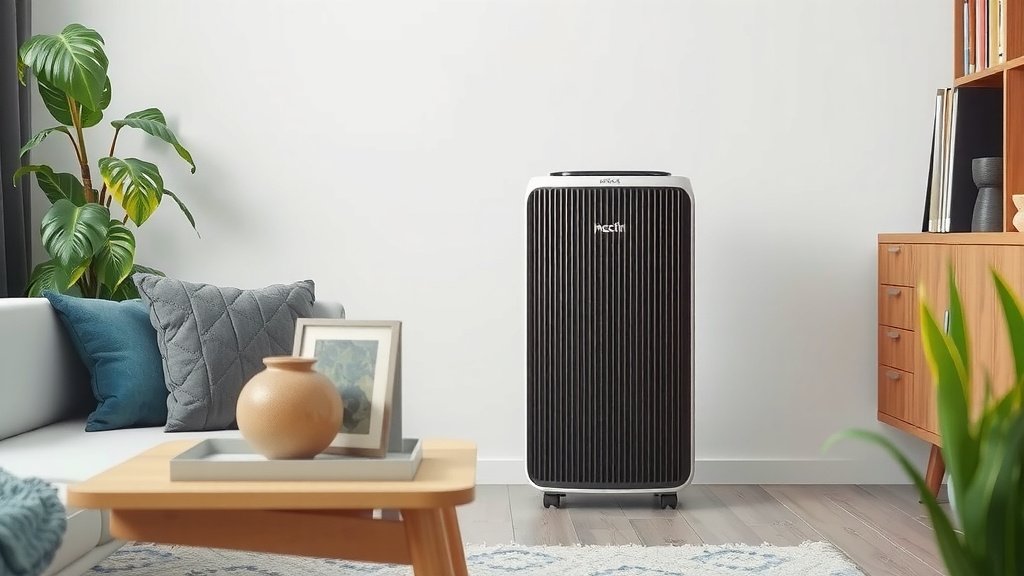
Running Your Purifier for Continuous Cleanliness
For the best results, your air purifier needs to run consistently. Air pollutants are always present, so continuous cleaning is key.
The Importance of Constant Operation
Air quality can change rapidly. Dust settles, allergens become airborne, and odors can develop quickly. Running your purifier most of the time ensures that these particles are captured as soon as they appear.
Many sources, including consumer reports, suggest that air purifiers are most effective when run 24/7, especially during allergy season or if you have pets or smokers in the home. While you might be tempted to turn it off to save energy, the benefits of continuous cleaning often outweigh the small cost difference.
Energy-Saving Strategies
If you’re concerned about energy use, many modern air purifiers come with features like timers or auto modes. Auto mode adjusts fan speed based on detected air quality, saving energy when the air is clean.
You can also use timers to run the purifier during specific times, like when you’re sleeping or away from home. However, for maximum benefit, continuous operation is generally recommended by many air quality experts.
Creating the Right Environment for Your Purifier
Your air purifier works best when it’s not fighting against other factors that introduce pollutants into your air.
Keep Doors and Windows Closed
When your air purifier is running, try to keep doors and windows closed. This prevents fresh outdoor pollutants, dust, and allergens from entering the space. It allows the purifier to focus on cleaning the air already inside.
Regular Cleaning of Your Home
While your purifier tackles airborne particles, regular cleaning of surfaces helps reduce the source of dust and allergens. Vacuuming with a HEPA filter vacuum and dusting can make your air purifier’s job easier.
Think of it as teamwork! Your air purifier handles what’s floating around, and your regular cleaning efforts manage what’s settled. This dual approach leads to the cleanest air possible.
Here’s a quick checklist to help you remember the key steps:
- Place purifier in your most-used room, away from obstructions.
- Ensure the purifier is sized correctly for your room.
- Check filter status regularly; replace as recommended or when needed.
- Run the purifier continuously for best results.
- Keep windows and doors closed while it’s operating.
- Regularly clean your home to reduce dust sources.
Conclusion
You’ve learned the essential steps to make your air purifier work its best. By focusing on strategic placement, consistent filter replacement, and continuous operation, you’re creating an environment where your purifier can truly shine. Remember, it’s about giving your purifier the best conditions to do its job. Your commitment to these practices will lead to noticeably cleaner air in your home. Start by checking your purifier’s filter status today and schedule your next replacement if needed!
Frequently Asked Questions
How often should I really change my air purifier filters?
Most manufacturers recommend changing filters every 6 to 12 months. However, you might need to replace them sooner if you notice reduced airflow or a return of odors. High-pollution environments or frequent use can also shorten filter life.
Can I turn my air purifier off when I’m not home?
While you can turn it off, running your air purifier continuously offers the best results. Pollutants are constantly entering your home, and constant operation ensures they are captured as soon as possible. Modern units are energy-efficient, making 24/7 use practical.
Is placing my air purifier near a wall bad?
Yes, placing your air purifier too close to walls or furniture can restrict airflow. Manufacturers often suggest keeping units at least a foot away from obstructions. This allows the purifier to draw in air from all sides effectively for better cleaning.
Do air purifiers help with pet dander and odors?
Absolutely! Air purifiers with HEPA filters are excellent at capturing pet dander, which is a common allergen. Models with activated carbon filters are also very effective at removing pet odors, leaving your home smelling fresher.
What does CADR really mean for my air purifier?
CADR, or Clean Air Delivery Rate, tells you how quickly an air purifier can clean a room of specific pollutants like smoke, dust, and pollen. A higher CADR rating means the purifier works faster and more effectively, especially in larger spaces.
![5 Best Air Purifier for Carbon Monoxide [In 2026]](https://homeunderstandable.com/wp-content/uploads/2025/06/best-air-purifier-for-carbon-monoxide.jpg)
![5 Best Air Purifier for One Room [In 2026]](https://homeunderstandable.com/wp-content/uploads/2025/05/best-air-purifier-for-one-room.jpg)