Remove Dust From Your Air: A Simple Guide
The easiest way to purify your air from dust is by using a HEPA air purifier and regularly cleaning your home. These methods work together to capture airborne dust particles and remove settled dust. You can significantly improve your indoor air quality by taking these simple steps.
Dealing with dust can feel like a never-ending battle. But did you know that dust isn’t just annoying? It can also affect your health and comfort. We found that combining air filtration with smart cleaning habits makes a big difference. Keeping dust out of your air is more achievable than you might think.
- Use a HEPA air purifier to capture fine dust particles.
- Clean surfaces regularly with damp cloths to trap dust.
- Vacuum carpets and upholstery often, ideally with a vacuum that has a HEPA filter.
- Consider upgrading window coverings to dust-resistant options.
- Maintain your HVAC system with clean filters.
Ready to breathe easier? Let’s walk through the best ways to tackle dust and purify your air, step by step.
Dust bunnies seem to have a mind of their own, don’t they? You clean, and then *poof* – they’re back. But it’s more than just looks. Dust can carry allergens and irritants that affect your breathing and overall well-being. We’ve looked into how you can effectively clean your indoor air. It involves a two-pronged approach: stopping dust before it floats around and cleaning up what’s already settled. Ready to make a real difference?
Your Strategy for Cleaner Indoor Air from Dust
The best way to purify your air from dust is through consistent cleaning habits and the right air cleaning tools.
Harnessing the Power of Air Purifiers
Air purifiers are like silent guardians for your air. They work to capture tiny particles that you can’t even see. For dust, there’s one type that truly stands out.
Why HEPA is Your Best Friend
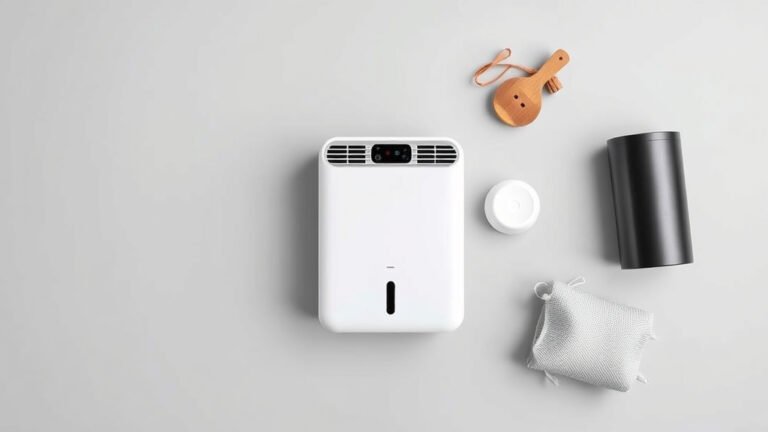
When choosing an air purifier, look for one with a True HEPA filter. HEPA stands for High-Efficiency Particulate Air. These filters are designed to trap at least 99.97% of airborne particles that are 0.3 microns in size. Think of dust mites, pollen, pet dander, and even mold spores – a True HEPA filter can catch them. Many experts recommend HEPA filters for allergy and asthma sufferers (American Lung Association).
Choosing the Right Size and Placement
Not all air purifiers are created equal, especially when it comes to room size. You need a unit that’s powerful enough for the space you want to clean. Check the CADR (Clean Air Delivery Rate). A higher CADR means it cleans the air faster. Place your purifier in the room where you spend the most time, like your bedroom or living room. This ensures you’re breathing the cleanest air possible during those key hours.
Mastering the Art of Dust Removal at Home
While air purifiers tackle airborne dust, you also need to manage the dust that settles on surfaces. This is where your regular cleaning routine comes into play. It’s about being thorough and smart.
The Magic of Damp Dusting
Forget dry dusting – it often just pushes dust around. When you use a damp cloth or microfiber towel, it actually traps the dust. This prevents it from becoming airborne again. Wipe down furniture, shelves, electronics, and any other surfaces where dust likes to gather. Make this a weekly ritual, and you’ll notice a big difference.
Vacuuming: More Than Just Floors
Carpets and rugs are dust magnets. Vacuuming them regularly is essential. Ideally, use a vacuum cleaner with a HEPA filter. This prevents fine dust particles from being blown back into the air. Don’t stop at the floors! Many vacuums come with attachments that are perfect for cleaning upholstered furniture, curtains, and even those hard-to-reach corners. Aim to vacuum at least once or twice a week, more if you have pets or allergies.
Tackling Upholstery and Fabrics
Your sofa, chairs, and even curtains can hold a surprising amount of dust. Regularly vacuuming these items with the right attachment is key. For items that can’t be easily vacuumed, consider washing them if possible. Even shaking out throw pillows outside can help reduce dust buildup.
Don’t Forget Your Home’s Air Circulation System
Your HVAC system plays a vital role in your home’s air quality. If its filters are clogged, it can’t do its job effectively. In fact, dirty filters can recirculate dust and allergens throughout your home.
The Importance of HVAC Filter Maintenance
Check your HVAC filter regularly, usually once a month. Most filters need to be replaced every 1-3 months, depending on the type of filter and your home environment. Upgrading to a higher MERV (Minimum Efficiency Reporting Value) rated filter can capture smaller particles, but make sure your system can handle the increased airflow resistance (Energy Star). A clean filter means your system can heat and cool your home more efficiently, too.
Beyond the Basics: Extra Dust-Busting Tips
There are a few other simple strategies you can employ to keep dust levels down.
Window Coverings Matter
Dust loves to cling to fabric. Traditional curtains and blinds can become significant dust collectors. Consider switching to washable curtains or easy-to-wipe blinds. If you have heavy drapes, vacuum them regularly or have them professionally cleaned. For a more dust-resistant option, look into hard window coverings like shutters.
Keep Entryways Clean
A lot of dust gets tracked into your home from the outside. Placing doormats both outside and inside your main entrances can trap a lot of dirt and dust before it spreads. Encourage family members and guests to wipe their feet thoroughly. It’s a small step that makes a surprisingly big impact.
Manage Humidity Levels
Dust mites thrive in humid environments. Keeping your home’s humidity levels between 30% and 50% can help keep dust mite populations in check. You can use a dehumidifier in damp areas or a humidifier in dry climates if needed. Monitoring humidity is an often-overlooked step in dust control (Environmental Protection Agency).
Here’s a quick checklist to help you get started on your dust-free journey:
- Run a True HEPA air purifier in your main living space.
- Dust surfaces weekly with a damp cloth.
- Vacuum carpets and upholstery twice a week with a HEPA filter vacuum.
- Check and replace your HVAC filter every 1-3 months.
- Wash or wipe down window coverings monthly.
- Use doormats at all entrances.
By incorporating these methods, you’re not just cleaning; you’re actively purifying your indoor air. You’ll be surprised at how much better you feel and how much cleaner your home stays.
Conclusion
You’ve learned that keeping your indoor air dust-free is totally achievable. It’s all about combining the right tools, like a True HEPA air purifier, with smart, consistent cleaning habits. Remember to tackle airborne dust with your purifier and settled dust with damp cloths and a good vacuum. Don’t forget your HVAC system’s filter, too! By making these practices a regular part of your routine, you’ll create a healthier, more comfortable home environment. Your next step? Pick out a HEPA air purifier for the room you use most and schedule your first damp dusting session this week.
Frequently Asked Questions
How often should I run my air purifier for dust?
You should aim to run your air purifier continuously, especially in rooms where you spend the most time. This ensures it’s always working to capture dust particles as they become airborne. Most experts agree that consistent operation provides the best results for improving air quality.
Can I just dust more often instead of buying an air purifier?
While regular dusting is essential, it primarily tackles settled dust. An air purifier is specifically designed to capture the tiny, airborne dust particles that dusting alone can miss. Combining both methods offers the most effective approach to purifying your air from dust.
Are all air purifiers effective for dust removal?
Not all air purifiers are created equal. For effective dust removal, it’s crucial to choose a unit with a True HEPA filter. These filters are certified to capture at least 99.97% of particles 0.3 microns in size, which includes most common dust components.
What’s the best way to clean dusty blinds and curtains?
For blinds, a damp cloth or a specialized blind cleaner attachment for your vacuum works well to trap dust. Curtains should be vacuumed regularly with an upholstery attachment. If they are washable, consider cleaning them periodically according to their care instructions to further reduce dust buildup.
How do I know if my home has a lot of dust?
Visible dust settling on surfaces quickly is a clear sign. You might also notice an increase in sneezing, coughing, or allergy symptoms, especially when spending time indoors. Regularly checking surfaces and observing how fast dust accumulates can help you gauge your home’s dust levels.
![What Is The Best Air Purifier for Gym [In 2026]](https://homeunderstandable.com/wp-content/uploads/2025/04/best-air-purifier-for-gym.jpg)