Clear the Air: Removing Cigarette Smoke Odors
The easiest way to purify air from cigarette smoke is to ventilate the space thoroughly and use activated carbon filters. These filters are highly effective at trapping smoke particles and odors. You can also use an air purifier with a HEPA filter designed for smoke. Combining these methods offers the best defense against lingering smoke.
Cigarette smoke leaves behind more than just a smell. It contains thousands of chemicals, many of which can remain suspended in the air. These tiny particles and gases can stick to surfaces and recirculate if not properly addressed. Effective purification is key to a healthier indoor environment and reducing exposure to harmful secondhand smoke.
- Ventilate rooms well to push smoke out.
- Use air purifiers with activated carbon and HEPA filters.
- Clean surfaces where smoke particles settle.
- Consider ozone generators with extreme caution (and usually avoid).
- Wash fabrics that absorb odors.
Let’s walk through the most effective steps you can take to clear your home or car of that stubborn cigarette smoke smell and its particles.
Banish Stubborn Cigarette Smoke From Your Air
You’ve likely experienced it: that lingering smell of cigarette smoke that just won’t quit. It clings to furniture, curtains, and the very air you breathe. Removing it requires more than just opening a window. You need a multi-pronged attack to truly purify your indoor environment.
Why Smoke Lingers: The Science Behind the Smell
Cigarette smoke isn’t just a smell; it’s a complex cocktail of particles and gases. These tiny bits, called particulates, are incredibly small. They can float in the air for a long time. They also stick to surfaces like a persistent guest. Many of these substances are not only unpleasant but also harmful to your health.
Research shows that secondhand smoke contains over 7,000 chemicals. At least 70 of them are known to cause cancer (CDC). These chemicals don’t just disappear when the cigarette is put out. They can remain suspended in the air and settle on everything. This is why a deep clean and effective air purification are so important.
Your First Line of Defense: Ventilation and Airflow
The simplest and often most overlooked step is ventilation. You need to get that smoky air out and fresh air in. Think of it like flushing out a stuffy room. The goal is to create airflow that carries the stale, smoky air outside.
Opening Windows and Doors
This seems obvious, right? But do you do it consistently? Open windows and doors on opposite sides of your home. This creates a cross-breeze. It helps push the stale air out more effectively. Even for a short time, good airflow can make a difference. Aim for at least 15-30 minutes daily, if weather permits.
Using Fans Strategically
Fans are your allies in this battle. Box fans placed in windows facing outwards can actively pull smoke out of the room. Ceiling fans can help circulate air, directing it towards open windows or exhaust vents. Don’t just turn them on; point them with purpose.
The Power Players: Air Purifiers for Smoke
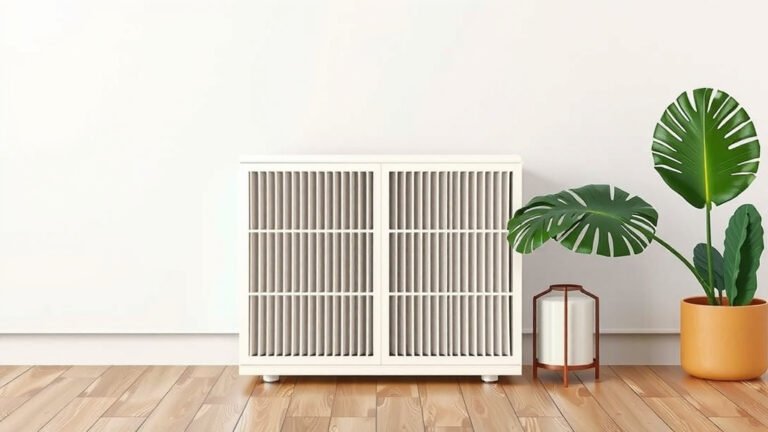
When ventilation alone isn’t enough, or for ongoing protection, an air purifier is your best bet. Not all air purifiers are created equal, especially when it comes to smoke. You need specific features to tackle those tiny particles and stubborn odors.
Activated Carbon Filters: The Odor Erasers
Activated carbon filters are exceptional at adsorbing odors and gases. They work like a sponge, but for molecules. The porous nature of activated carbon traps volatile organic compounds (VOCs) and other smelly chemicals from smoke. Many experts agree that a substantial amount of activated carbon is key for effective odor removal (Environmental Protection Agency).
When looking for an air purifier, check the weight or thickness of the carbon filter. A thin carbon pre-filter might catch some odors, but a thick, dense activated carbon bed is far more effective for persistent smoke smells. It’s like comparing a paper towel to a full-sized sponge.
HEPA Filters: The Particle Trappers
HEPA stands for High-Efficiency Particulate Air. These filters are designed to capture at least 99.97% of airborne particles 0.3 microns in size. Smoke particles, including tar and nicotine, are well within this range. A good HEPA filter will trap the ash, soot, and other solid components of smoke.
When combined with activated carbon, a HEPA filter provides a powerful one-two punch. The HEPA filter captures the visible smoke particles, while the carbon filter tackles the invisible gases and odors. This dual-action approach is highly recommended for smoke-filled environments.
Choosing the Right Air Purifier Size and Features
Make sure the air purifier you choose is rated for the square footage of the room you want to purify. Look for a high CADR (Clean Air Delivery Rate) for smoke. Some units have specific smoke-reducing modes or features.
Deep Cleaning Surfaces: Where Smoke Hides
Smoke particles don’t just stay in the air; they settle everywhere. Walls, ceilings, floors, and all your belongings can become coated. You need to clean these surfaces thoroughly to truly remove the smoke residue.
Washing Walls and Ceilings
This might sound like a big job, but it’s often necessary. Use a solution of warm water and a degreasing cleaner. You can also try a mix of white vinegar and water. Wear gloves and eye protection. Work in small sections. Rinse with clean water. This process can be tiring, but the results are often dramatic.
Cleaning Furniture and Fixtures
Wipe down all hard surfaces: tables, countertops, lamps, electronics, and window frames. Again, a degreasing cleaner or a vinegar solution works well. Don’t forget light fixtures and ceiling fan blades – they collect a surprising amount of residue.
Tackling Fabrics: Absorbers of Odor
Soft surfaces are notorious for trapping smoke odors. Curtains, upholstery, carpets, and clothing can hold onto that smell stubbornly. You need to wash or clean these items thoroughly.
Washing Curtains, Bedding, and Clothing
For washable items, use your washing machine. Add a cup of white vinegar or a specialized odor-eliminating laundry additive to the wash cycle. You might need to wash items more than once to completely remove the smell. Always check care labels before washing.
Cleaning Upholstery and Carpets
For furniture and carpets, you have a few options. You can rent a carpet cleaner or hire a professional cleaning service. For smaller items like throw pillows, try spot cleaning with a fabric-safe cleaner. Sprinkle baking soda on carpets and upholstery, let it sit for several hours (or overnight), then vacuum it up. This can help absorb residual odors.
A Word on Ozone Generators
You might see ozone generators advertised as powerful smoke removers. While they can break down odor molecules, they produce ozone gas. Ozone is a lung irritant and can be harmful to your health, even in small amounts (Environmental Protection Agency). It can also damage rubber and plastics over time.
Because of the health risks and potential for damage, many experts advise extreme caution with ozone generators. They are generally not recommended for occupied spaces. If you consider using one, ensure the area is completely unoccupied during use and thoroughly ventilated afterward.
Your Air Purification Checklist
Ready to get started? Here’s a quick rundown to help you tackle that smoke:
- Open windows and doors daily for cross-ventilation.
- Use fans to enhance airflow and push air outside.
- Invest in an air purifier with both HEPA and substantial activated carbon filters.
- Wipe down all hard surfaces with a degreaser or vinegar solution.
- Wash all washable fabrics, adding vinegar to the cycle.
- Consider professional cleaning for carpets and upholstery if needed.
Conclusion
Clearing cigarette smoke from your air involves a dedicated, multi-step approach. You’ve learned how essential good ventilation is for moving stale air out. You also now know that air purifiers with both HEPA and activated carbon filters are your strongest allies for trapping particles and odors. Remember to tackle surfaces and fabrics where smoke residue loves to hide. By combining these strategies, you can significantly improve your indoor air quality and create a fresher living space. Start with opening those windows today!
Frequently Asked Questions
How quickly can I expect to notice a difference after purifying the air?
You can often smell a difference within hours of starting purification, especially with good ventilation and an effective air purifier running. Deeper cleaning of surfaces and fabrics may take a day or two to completely eliminate lingering odors.
Can a single air purifier handle smoke in multiple rooms?
Typically, one air purifier is most effective in a single, enclosed room. For larger homes or multiple rooms, you’ll likely need separate units or to move a portable one between spaces. Always check the manufacturer’s recommended room size for optimal performance.
Is it safe to run an air purifier continuously?
Yes, most modern air purifiers are designed for continuous operation. Running them constantly, especially in rooms where smoking occurred, provides the best protection against airborne smoke particles and odors.
What’s the best way to clean smoke residue from wood furniture?
For wood furniture, start by dusting with a microfiber cloth. Then, use a wood cleaner or a solution of equal parts white vinegar and water to wipe down surfaces. Ensure you dry the wood thoroughly afterwards.
How often should I replace the filters in my air purifier?
Filter replacement frequency depends on the model and how heavily the purifier is used. For smoke, you may need to replace HEPA and carbon filters more often than recommended, perhaps every 3-6 months. Check your air purifier’s manual for specific guidelines.