Clear the Smoke: Essential Air Purification Tips
Breathing in smoke-filled air is no fun. You can purify air from smoke using a combination of ventilation and air filtration. Opening windows helps bring in fresh air. Using an air purifier with a HEPA filter is also key. These methods help remove smoke particles and odors from your home.
Smoke from wildfires or even indoor cooking can really linger. It’s not just about the smell. Smoke contains tiny particles that can affect your indoor air quality. We found that being prepared with the right tools can make a big difference. Having a plan is smart for your family’s health and comfort.
- Open windows for fresh air.
- Use an air purifier with a HEPA filter.
- Consider activated carbon filters for odors.
- Clean surfaces where smoke particles settle.
- Change your HVAC filter regularly.
Let’s walk through the best ways to get that smoky air out of your home.
Clearing the Air: Your Guide to Smoke-Free Indoor Air
Smoke in your home can feel overwhelming. We’ve all been there, right? Maybe it’s from a neighbor’s bonfire, a cooking mishap, or even wildfire smoke drifting in. You want your home to feel fresh and clean again. Fortunately, there are practical steps you can take right away. We’re here to guide you through purifying the air from smoke effectively.
The First Line of Defense: Ventilation Strategies
When smoke fills your home, your first thought might be to seal everything up tight. But actually, fresh air is your friend. Opening windows and doors can make a big difference. It allows the smoky, stale air to escape. This is especially important for lingering odors and particulate matter.
Strategic Air Exchange
Think of it like airing out a stuffy room. You want to create a cross-breeze. Open windows on opposite sides of your house if possible. This helps push the smoky air out more efficiently. Even opening a window for a short period can help reduce the concentration of pollutants indoors.
We found that timing is important. If outdoor air quality is poor due to smoke, opening windows might bring more pollutants inside. Check local air quality reports before you start ventilating. Websites like AirNow.gov can give you real-time information for your area. If the air outside is smoky, keep those windows shut tight.
When to Keep it Closed
If wildfire smoke is heavy outside, your best bet is to keep windows and doors sealed. Turning off your HVAC system can also prevent it from drawing in smoky air. For these situations, air purification inside becomes even more critical. Many guidelines from public health organizations suggest staying indoors and keeping windows closed during severe smoke events (CDC).
Harnessing the Power of Air Filtration
Once you’ve managed ventilation, or if outdoor air is compromised, air filtration becomes your next best friend. This is where air purifiers and your home’s HVAC system really shine. They work to trap those tiny smoke particles that you can’t see.
Choosing the Right Air Purifier
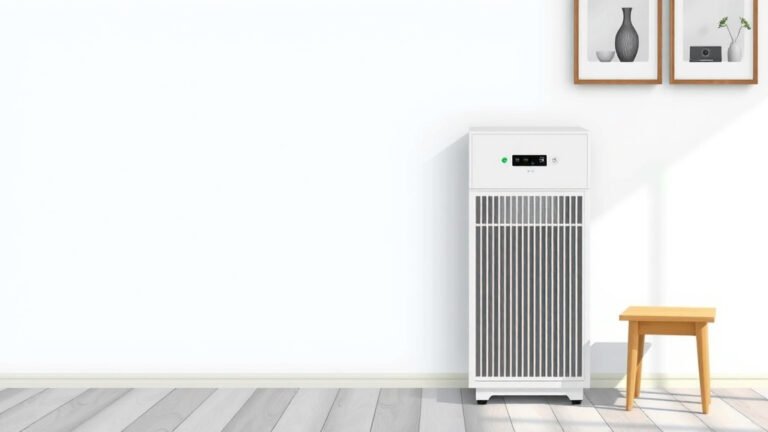
When shopping for an air purifier to combat smoke, look for one with a HEPA filter. HEPA stands for High-Efficiency Particulate Air. These filters are designed to capture at least 99.97% of airborne particles. This includes smoke particles, dust, pollen, and pet dander. They are highly effective at removing the fine soot and ash associated with smoke.
Many air purifiers also include an activated carbon filter. This is fantastic for smoke because activated carbon is excellent at adsorbing odors. Smoke smells can linger for a long time. The carbon filter traps the molecules causing those unpleasant smells, leaving your air smelling fresher. We found that a combination of HEPA and activated carbon filters offers the best approach for smoke-related air quality issues.
Placement and Usage Tips
Where you put your air purifier matters. Place it in the room where you spend the most time. Often, this is the living room or bedroom. Ensure the unit has enough space around it to draw air in freely. For maximum effectiveness, run your air purifier continuously on a medium or high setting when smoke is present.
Your HVAC System: A Hidden Helper
Your home’s heating, ventilation, and air conditioning (HVAC) system can also play a role. The filter in your HVAC unit traps particles circulating through your home. When dealing with smoke, you’ll want to use a high-quality air filter for your system.
Look for filters with a MERV rating of 11 or higher. MERV stands for Minimum Efficiency Reporting Value. Higher MERV ratings mean the filter captures smaller particles. Many experts suggest upgrading your HVAC filter during smoke season (Environmental Protection Agency). Remember to check and change your HVAC filter more frequently when smoke is a concern. A clogged filter won’t work effectively and can strain your system.
Beyond Filtration: Surface Cleaning is Key
Smoke particles don’t just float in the air; they settle on surfaces. Think about your furniture, walls, and countertops. These particles can re-enter the air if disturbed. So, cleaning these surfaces is an important step in truly purifying your home.
Wipe Down and Wash
Start by dusting hard surfaces. Use a damp cloth or microfiber duster to trap particles rather than scattering them. For stronger odors or visible soot, you might need to wash surfaces. A solution of water and a mild detergent can work well.
For fabrics like curtains, upholstery, and carpets, vacuuming is a good start. If possible, wash curtains and other washable textiles. For carpets and upholstered furniture, consider steam cleaning or professional cleaning if the smoke was heavy. Many cleaning professionals offer services specifically for smoke damage.
Quick Checklist for Smoke-Free Air
Ready to get your air back to normal? Here’s a quick rundown:
- Ventilate smart: Open windows when outdoor air is clean.
- Seal up tight: Close windows and doors when outdoor air is smoky.
- Use an air purifier: Choose one with a HEPA filter and activated carbon.
- Upgrade your HVAC filter: Opt for a high MERV-rated filter.
- Clean surfaces: Dust, wipe, and wash down furniture and walls.
- Wash fabrics: Clean curtains, upholstery, and bedding.
Conclusion
You’ve learned that tackling smoke-filled air is a two-pronged approach. Smart ventilation can help, but only when outside air quality is good. When that’s not an option, or for stubborn odors, effective air filtration is your best bet. Combining a HEPA filter with activated carbon in your air purifier is key. Don’t forget to clean surfaces to remove settled particles. Taking these steps means you can reclaim your home’s fresh, healthy air. Start by checking your outdoor air quality and choosing the right air purifier for your needs today.
Frequently Asked Questions
How quickly can an air purifier clear smoke from a room?
The speed depends on the purifier’s size, power, and the smoke’s intensity. A good air purifier with a HEPA filter and activated carbon can significantly reduce smoke within 30 minutes to a few hours. For best results, run it continuously on a higher setting.
Can I just use a fan to circulate air during smoke events?
A fan can help move air around, but it won’t filter out smoke particles or odors. In fact, simply moving smoky air could spread it further. You need a filter, like those in an air purifier or HVAC system, to actually trap smoke contaminants.
Are ozone-generating air purifiers safe for smoke removal?
It’s best to avoid ozone generators for smoke removal. While they can neutralize odors, ozone is a lung irritant and can be harmful to your health. Look for purifiers specifically advertised as ozone-free, using HEPA and activated carbon filters instead.
How often should I clean or replace my air purifier filters after smoke exposure?
After heavy smoke exposure, you’ll need to replace filters much sooner than usual. Check your air purifier’s manual, but expect to replace HEPA filters every few months or even weeks. Activated carbon filters may also need more frequent replacement to manage odors.
What’s the difference between smoke smell and smoke particles?
Smoke smell comes from gases and volatile organic compounds in the smoke. Smoke particles are the tiny solid pieces, like soot and ash, that you can see in smoky air or that settle on surfaces. HEPA filters capture particles, while activated carbon filters trap odor-causing gases.

![5 Best Air Purifier for Dog Allergies [In 2026]](https://homeunderstandable.com/wp-content/uploads/2025/06/best-air-purifier-for-dog-allergies-top-picks-for-pet-owners-768x512.jpg)