Purify Air from Wildfire Smoke Safely and Effectively
When wildfire smoke fills your air, the best way to purify it is by using air purifiers with HEPA filters and reducing indoor air leaks. You’ll want to close all windows and doors and seal any gaps. This combination helps trap those tiny smoke particles, offering you a breath of fresh air inside your home.
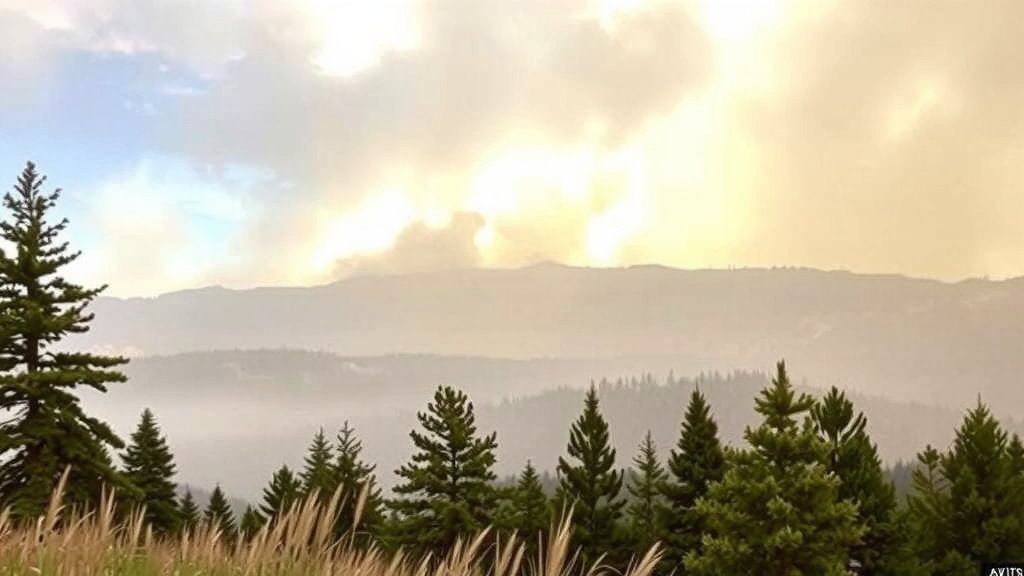
Wildfire smoke can be seriously irritating and unhealthy. It contains fine particulate matter that easily gets into your lungs. Making sure your indoor air is clean is key to protecting your health when outdoor conditions are bad. We found that combining air cleaning with sealing your home works wonders.
TL;DR:
- Close windows and doors tight.
- Seal up air leaks around your house.
- Run air purifiers with HEPA filters.
- Consider a DIY box fan filter.
- Avoid activities that create indoor pollution.
Let’s walk through exactly how to get your indoor air cleaner than a mountain breeze, even when the outside looks like a smoky mess.
“`htmlClearing Your Home’s Air from Wildfire Smoke
Wildfire smoke can feel overwhelming, but you have power to protect your home’s air. We’ve looked into the best ways to tackle this smoky challenge. The primary goal is to keep that gritty, unhealthy air outside. Your home should be a sanctuary, a place where you can breathe easy.
Focusing on a few key strategies can make a big difference. Think of it like creating a protective bubble for your family. We’re going to break down how to build that bubble effectively. It’s all about smart steps that combine physical barriers and air cleaning technology.
Sealing Your Home Against Smoke Infiltration
The first line of defense is simple: shut out the bad air. This means sealing up any tiny openings where smoke can sneak in. Smoke particles are incredibly small, so even small gaps are like open doors for them. Many experts agree that minimizing air leaks is a critical first step (CDC).
Windows and Doors: Your First Barrier
Make sure all your windows and doors are closed tightly. This sounds obvious, but sometimes a slight gap can let in a surprising amount of smoke. Check the seals around them. If you have old, drafty windows, this might be the time to be extra vigilant.
Finding and Sealing Air Leaks
Think beyond the obvious doors and windows. Air can seep in through electrical outlets, pipe penetrations, and attic hatches. We found that using weather stripping and caulk can seal many of these common spots. For a quick fix, you can even use towels or blankets to stuff under doors. These temporary measures help reduce immediate infiltration.
You can also do a quick check yourself. On a day when the smoke is bad outside, walk around your home. Can you feel any drafts? Those drafts are potential entry points for smoke. Sealing them up is a smart way to improve indoor air quality.
The Power of Air Purifiers
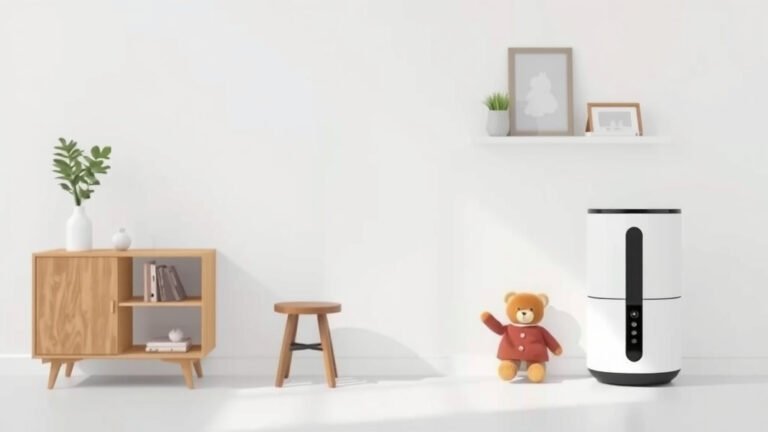
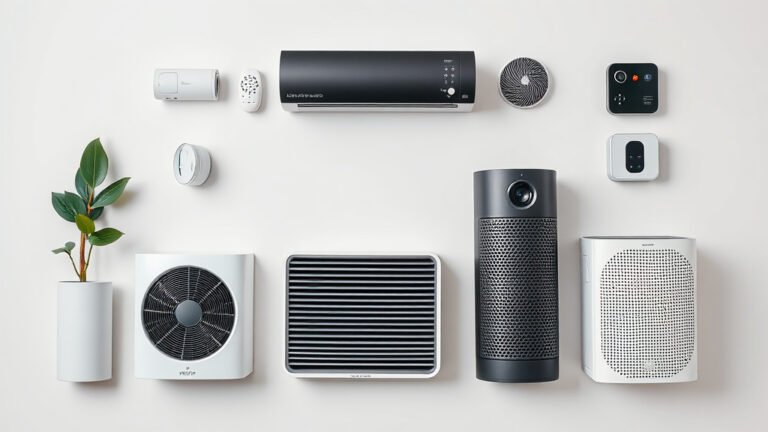
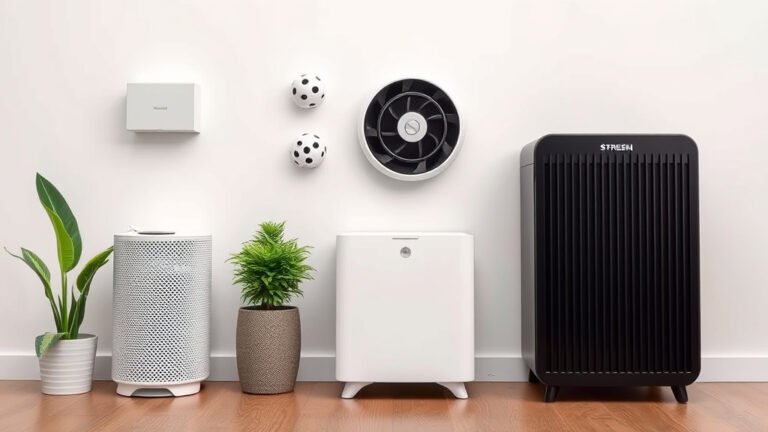
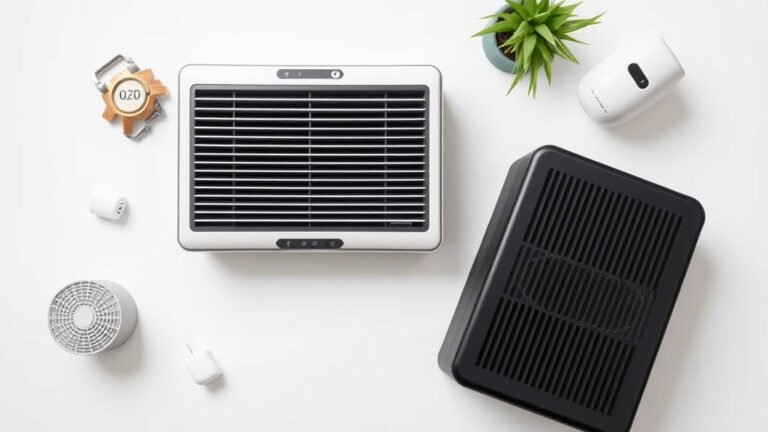
Once you’ve sealed your home as best you can, it’s time to clean the air that might have gotten in, or to improve the air circulating within. Air purifiers are your best friends during smoky conditions. They are designed specifically to capture airborne particles, including those from wildfire smoke.
Choosing the Right Air Purifier
When selecting an air purifier, look for one with a HEPA filter. HEPA stands for High-Efficiency Particulate Air. These filters are designed to trap at least 99.97% of airborne particles that are 0.3 microns in size. Smoke particles can be even smaller, but HEPA filters are still highly effective at capturing a broad range of them. Many health organizations recommend HEPA filters for smoke (NIH).
Another important factor is the Clean Air Delivery Rate (CADR). This rating tells you how quickly the purifier can clean the air in a specific room size. Aim for a purifier with a CADR rating that matches or exceeds your room’s square footage. We found that a unit rated for a larger space often works better in smoky conditions.
Where to Place Your Air Purifier
The placement of your air purifier matters. Put it in the room where you spend the most time, like your bedroom or living area. Running it continuously on a medium to high setting will provide the best results. Some purifiers have an “auto” mode that adjusts based on air quality, which can be very convenient.
DIY Air Cleaner: The Box Fan Filter
On a budget? You can create a surprisingly effective DIY air cleaner. This involves attaching a furnace filter (rated MERV 13 or higher) to a box fan. Many have found this method to be a cost-effective solution. Simply tape the filter securely to the back of the fan. When you turn the fan on, it pulls air through the filter, trapping particles.
While not as sophisticated as a commercial air purifier, these box fan filters can significantly improve air quality in a pinch. Remember to replace the filter regularly, especially during prolonged smoke events. It’s a practical approach when you need extra help.
Reducing Other Indoor Air Pollutants
During smoky periods, it’s especially important to minimize any additional pollution you create inside your home. Your goal is to reduce the overall burden on your air filtration system. This means being mindful of activities that can release particles or gases into the air.
Mindful Cooking and Cleaning
Activities like frying, broiling, or even toasting can release fine particles. We suggest opting for simpler cooking methods when smoke is heavy. If you must cook with high heat, ensure your kitchen exhaust fan is on and vented to the outside. Also, avoid burning candles or using incense, as these add particulate matter and chemicals to your air.
When cleaning, try to use wet methods instead of dry dusting. Dry dusting can stir up settled particles. Using a damp cloth or a HEPA-filtered vacuum cleaner is a better choice. This helps prevent the re-introduction of pollutants into the air you breathe.
When to Seek Higher Air Quality
Sometimes, despite your best efforts, the outdoor smoke can be so intense that even indoor air quality suffers. If you have sensitive individuals in your home, such as children, the elderly, or those with respiratory conditions, consider alternative options.
Considering Portable Air Filtration
For those with severe sensitivities or if your home’s seals are not ideal, portable air filtration units can be moved to different rooms as needed. They offer targeted cleaning where you need it most. Many experts recommend having multiple filtration points if possible, especially if you have a larger home.
Remember, keeping your indoor air clean during wildfire smoke events is an ongoing process. It’s about being prepared and taking consistent action. By combining sealing techniques with effective air purification, you can create a much safer and healthier breathing environment for yourself and your loved ones.
Here’s a quick checklist to help you stay on top of things:
- Close all windows and doors securely.
- Inspect and seal common air leak spots.
- Run air purifiers with HEPA filters continuously.
- Check your air purifier’s filter and clean/replace as needed.
- Minimize indoor activities that create smoke or particles.
- Consider a DIY box fan filter for extra cleaning power.
Conclusion
Protecting your home from wildfire smoke is absolutely achievable. By diligently sealing up your living space and using effective air purifiers, you create a safe haven. Remember to focus on closing windows and doors, fixing air leaks, and running HEPA-filtered air cleaners. Even a simple DIY box fan filter can make a difference. Your next step is to assess your home’s current seal and consider purchasing or setting up an air purifier today. Prioritizing clean indoor air is one of the best actions you can take for your health during smoky conditions.
Frequently Asked Questions
How often should I change my air purifier filter during smoke season?
During heavy smoke events, you’ll likely need to change your air purifier’s filter more often than usual. Check your manufacturer’s recommendation, but be prepared to inspect it weekly. If you see visible dust or feel reduced airflow, it’s probably time for a new one.
Can I just keep my windows closed, or do I really need an air purifier?
Simply closing windows is a start, but an air purifier is highly recommended. Smoke particles are incredibly small and can still get into your home. An air purifier actively removes these fine particles from the air you breathe, offering a much higher level of protection.
What does MERV 13 mean for a furnace filter on a box fan?
MERV 13 is a rating for furnace filters that indicates a high level of efficiency in capturing small particles, including smoke. Using a MERV 13 filter on your DIY box fan makes it much more effective at cleaning the air compared to lower-rated filters.
How can I tell if my indoor air quality is bad due to smoke?
You might notice a smoky or hazy smell, a gritty feeling in your throat, or stinging eyes. Some air purifiers have air quality sensors that will change color or alert you when pollution levels rise. If it smells smoky outside, assume your indoor air needs help.
Is it safe to cook indoors when there’s wildfire smoke outside?
It’s best to minimize cooking methods that produce a lot of smoke or steam, like frying or broiling, when wildfire smoke is present. If you must cook, always use your range hood fan, ensuring it vents outside, and consider running an air purifier in the kitchen.
![What Is The Best Air Purifier for My Home [In 2026]](https://homeunderstandable.com/wp-content/uploads/2025/05/best-air-purifier-for-my-home.jpg)