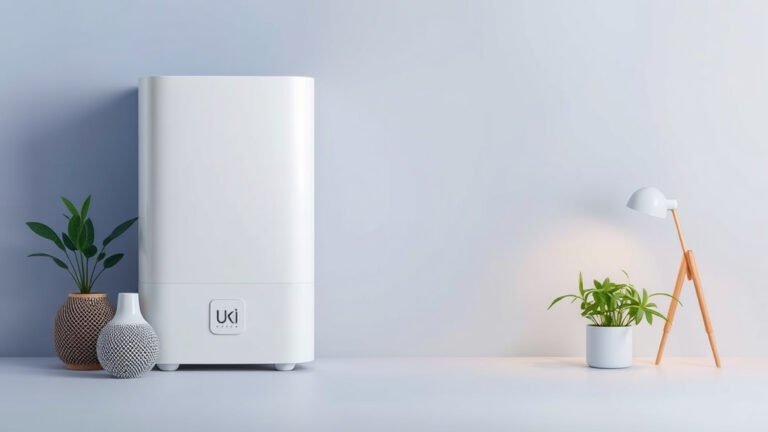
Boost Your Room Air Quality: Purification Tips
The easiest way to purify air in your room is to combine good ventilation with effective air filtration. Opening windows regularly helps, but for a more consistent clean, consider using an air purifier. These devices are designed to remove common indoor pollutants like dust, pollen, and pet dander, making your living space much healthier.
Keeping your indoor air clean is more important than you might think. Poor air quality can affect your sleep, energy levels, and even your long-term health. We found that simple steps like choosing the right plants and cleaning regularly can also make a noticeable difference in your room’s air quality. It’s all about creating a fresher, more breathable environment for you and your family.
- Open windows often for fresh air.
- Use an air purifier with a HEPA filter.
- Consider plants that help clean the air.
- Clean regularly to reduce dust and allergens.
- Avoid strong chemical cleaners or air fresheners.
Ready to breathe easier? Let’s walk through the best ways to purify the air in your room, step by step.
Improving Your Room’s Air Quality: Practical Steps
You spend a lot of time in your room, so keeping the air fresh is important for your well-being. Clean air can boost your mood and help you sleep better. Thankfully, there are simple, effective ways to purify the air you breathe every day. We’ve gathered research and found many actionable steps you can take right away. Let’s dive into how you can make your room’s air cleaner and healthier.
Ventilation: Your First Line of Defense
Opening your windows is the most straightforward method for air purification. It lets stale indoor air escape and brings in fresh outdoor air. This exchange helps reduce the concentration of pollutants inside your room. Even a few minutes each day can make a difference.
How Often Should You Ventilate?
Aim to open your windows for at least 5-10 minutes, twice a day. Doing this in the morning and evening is often ideal. If outdoor air quality is poor due to smog or pollen, you might need to adjust this schedule. Checking local air quality reports can help you decide when it’s best to ventilate.
Creating Airflow
To maximize the benefits of ventilation, try to create a cross-breeze. Open windows on opposite sides of your room or house. This encourages a more thorough air exchange. If you have a fan, you can use it to help push stale air out or pull fresh air in. This simple trick can greatly improve your air circulation.
Harnessing the Power of Air Purifiers
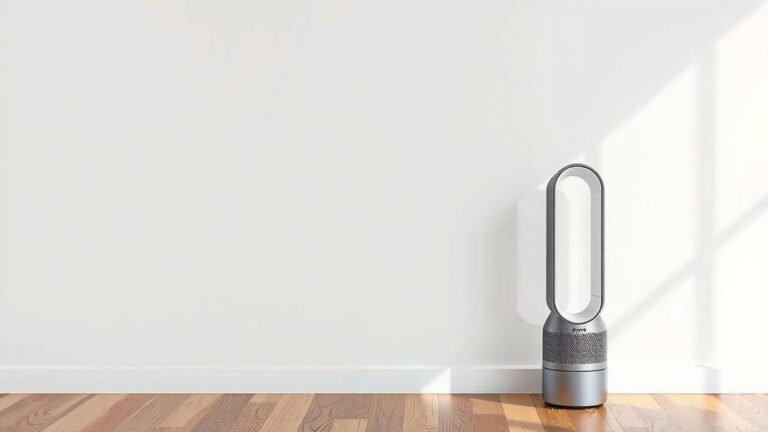
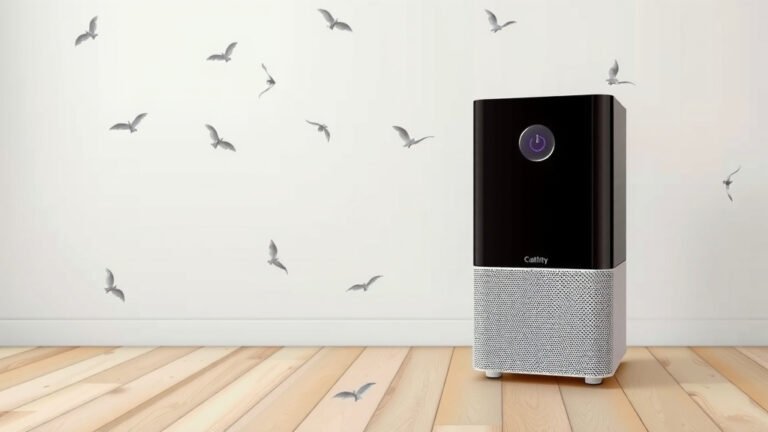
Air purifiers are devices specifically designed to clean the air. They work by drawing air in, filtering out pollutants, and then releasing cleaner air back into your room. Many units use different types of filters to capture various particles.
Understanding HEPA Filters
When choosing an air purifier, look for one with a HEPA filter. HEPA stands for High-Efficiency Particulate Air. These filters are **highly effective** at trapping tiny particles. They can capture at least 99.97% of airborne particles 0.3 microns in size. This includes dust, pollen, pet dander, mold spores, and some bacteria. Many health organizations recommend HEPA filters for allergy and asthma sufferers (CDC).
Other Filter Types to Consider
Beyond HEPA, some purifiers feature activated carbon filters. These filters are great for absorbing odors and volatile organic compounds (VOCs). VOCs can come from cleaning supplies, paints, and furniture. A combination HEPA and carbon filter offers a more complete purification solution. Some units also use UV-C light, which can help kill germs and viruses. However, research on the effectiveness and safety of UV-C in consumer purifiers varies.
Choosing the Right Size Unit
Air purifiers are rated by their Clean Air Delivery Rate (CADR). This tells you how quickly the unit can clean the air in a room of a certain size. Make sure the CADR is appropriate for your room’s square footage. An undersized unit won’t be effective, and an oversized one might be too noisy or costly to run. We found that matching the purifier to your room size is **key for optimal performance**.
The Role of Houseplants in Air Purification
Certain houseplants can contribute to cleaner air, though their impact is often less dramatic than a good air purifier. They can absorb some airborne toxins. Think of them as a small, living air filter. Research from NASA’s Clean Air Study identified several beneficial plants.
Top Air-Purifying Plants
Some popular choices include the Spider Plant, Snake Plant, and Peace Lily. These plants can help remove common indoor pollutants like formaldehyde and benzene. While you’d need many plants to significantly purify a large room, they add a lovely touch and can still offer some benefits. They also contribute to a more pleasant atmosphere.
Caring for Your Plants
Keep your plants healthy by watering them properly and ensuring they get enough light. Overwatering can lead to mold growth in the soil, which is counterproductive. Clean their leaves occasionally to remove dust. Healthy plants perform best at absorbing pollutants.
Minimizing Indoor Pollutants at the Source
Preventing pollutants from entering your room is as important as removing them. This involves making conscious choices about the products you use and how you maintain your space.
Be Mindful of Cleaning Products
Many common cleaning sprays and air fresheners release VOCs into the air. Look for natural or unscented cleaning alternatives. Using simple ingredients like vinegar and baking soda can often be just as effective. Opening windows while cleaning helps disperse any fumes that are released. Many experts suggest avoiding aerosol sprays altogether.
Control Dust and Allergens
Regular dusting and vacuuming are essential. Use a vacuum cleaner with a HEPA filter to trap fine particles. Wash bedding frequently in hot water to kill dust mites. Keeping your room tidy reduces the surfaces where dust and allergens can settle. This is a **consistent habit** that pays off.
Pet Care Considerations
If you have pets, regular grooming can help reduce shedding and dander. Try to keep pets out of the bedroom if allergies are a significant concern. Frequent cleaning of pet areas is also advised to minimize airborne allergens.
Your Air Quality Action Checklist
Ready to put this into practice? Here’s a quick checklist to get you started:
- Schedule daily window opening for fresh air.
- Ensure your air purifier (if using) has a HEPA filter.
- Consider adding a low-maintenance air-purifying plant.
- Wipe down surfaces regularly to control dust.
- Choose natural or unscented cleaning supplies.
- Wash bedding weekly in warm or hot water.
Maintaining a Fresher Breathing Environment
Keeping your room’s air clean is an ongoing process. By combining regular ventilation with smart choices about your products and cleaning habits, you can create a healthier, more comfortable living space. Think of it as a small investment in your daily comfort and long-term health. You deserve to breathe easy!
Conclusion
You’ve learned that creating cleaner air in your room is an achievable goal. By consistently opening windows and using effective air purifiers with HEPA filters, you create a strong defense against pollutants. Complementing these methods with mindful cleaning product choices and regular tidying further enhances your breathing environment. Even incorporating a few houseplants can add a subtle boost. Start by implementing one new habit this week, perhaps opening your windows for an extra 10 minutes each day. Your commitment to fresher air will lead to a healthier, more comfortable space for you to enjoy.
Frequently Asked Questions
How do I know if my air purifier is working effectively?
You can tell your air purifier is working if you notice a reduction in dust and odors in your room. Many units also have indicator lights or display readouts showing air quality improvements. For HEPA filters, regular replacement according to the manufacturer’s guidelines ensures continued effectiveness.
Can plants really purify the air in my room?
Yes, certain houseplants can help remove some common indoor air pollutants. While they might not replace an air purifier for heavy-duty cleaning, they can contribute to a fresher atmosphere. Keep them healthy with proper light and watering for the best results.
How often should I replace the filters in my air purifier?
Filter replacement frequency depends on the model and how often you use the purifier. Generally, HEPA filters need replacing every 6-12 months, and carbon filters may need replacing more often, especially if you’re dealing with strong odors. Always check your purifier’s manual for specific recommendations.
Is it better to open windows or use an air purifier?
Both methods are beneficial. Opening windows provides natural ventilation, bringing in fresh air and reducing indoor pollutant concentration. An air purifier offers consistent filtration, especially useful when outdoor air quality is poor or ventilation is limited. Using both together offers the best results.
What’s the best way to clean my room to reduce dust and allergens?
Regular dusting with a damp cloth is key, as it traps dust instead of spreading it. Vacuuming floors and upholstery often, ideally with a HEPA filter vacuum, is also important. Washing bedding weekly in hot water helps eliminate dust mites and other allergens.