Boost Office Air Quality: Simple Purification Tips
You can improve your office air quality by adding plants, using air purifiers, and improving ventilation. Poor indoor air can make you feel sluggish and unfocused. Simple changes can make a big difference for your workday comfort and health.
Did you know stale office air can host dust, mold, and even viruses? These unseen particles impact your well-being. Taking steps to clean your air means a healthier workspace. We found that even small improvements boost productivity.
- Add indoor plants like snake plants.
- Invest in a good quality air purifier.
- Open windows for fresh air circulation.
- Keep your office clean and dust-free.
Let’s walk through exactly how you can make your office air as fresh as possible, step by step.
Breathing Easier: Ways to Freshen Your Office Air
Improving your office air quality is a journey. You can make big changes for a healthier work environment. Let’s look at how to clean the air you breathe every day.
The Power of Plants for Fresher Air
Indoor plants aren’t just pretty decor. They are natural air filters. Many studies show they can help remove toxins. You might not realize how much difference a few green friends can make.
Top Air-Purifying Plants for Your Workspace
Some plants are better than others at cleaning the air. The NASA Clean Air Study highlighted several effective types. These plants can absorb common indoor pollutants. These include things like formaldehyde and benzene.
Here are a few favorites we found:
- Snake Plant (Sansevieria): This plant is super tough. It’s also great at filtering out formaldehyde and benzene.
- Spider Plant (Chlorophytum comosum): They are easy to care for and good at removing formaldehyde.
- Peace Lily (Spathiphyllum): This elegant plant can filter out multiple toxins. It also adds a touch of calm.
- Pothos (Epipremnum aureum): Often called Devil’s Ivy, it’s hardy and can remove formaldehyde.
Caring for Your Office Plants
Keeping your plants alive is key. Most of these don’t need constant attention. They prefer indirect sunlight. Overwatering is a common mistake. Check the soil before you water.
Many experts suggest that about one plant per 100 square feet is a good starting point. More plants mean more air cleaning. Imagine your office becoming a mini-jungle! This can really boost your mood too.
Investing in an Air Purifier
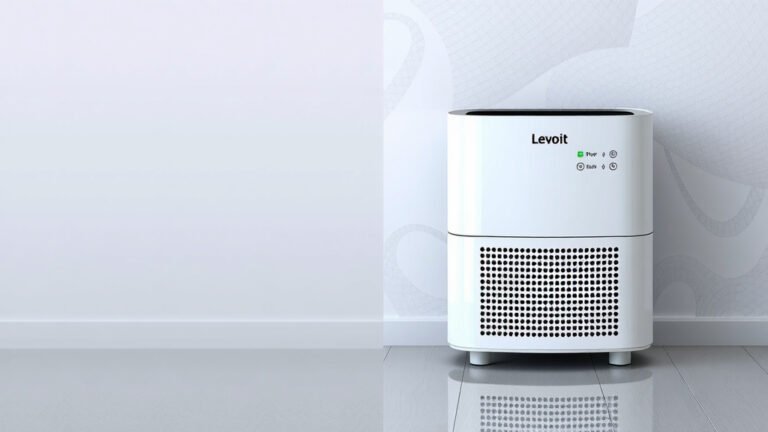
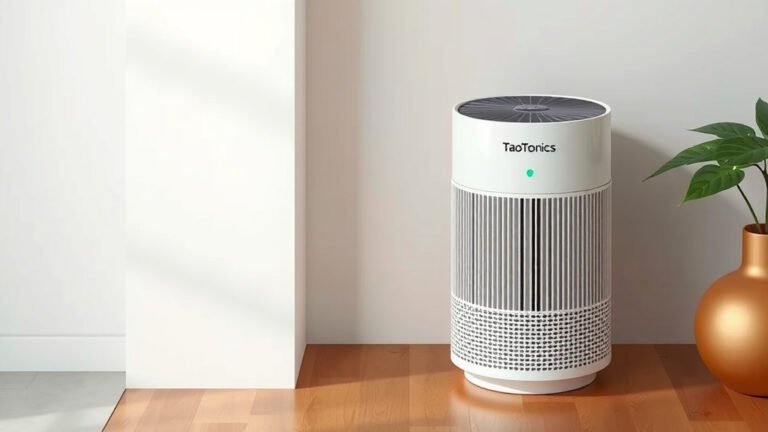
An air purifier is a dedicated machine for cleaning your air. It’s like a vacuum cleaner for your air. It pulls in dirty air and releases clean air.
How Air Purifiers Work
Most air purifiers use a fan to draw air in. This air then passes through one or more filters. The filters trap particles like dust, pollen, and pet dander. Some advanced models can even capture odors and volatile organic compounds (VOCs).
Choosing the Right Air Purifier
When you’re shopping, look for a few key features. A HEPA filter is considered the gold standard. It can trap at least 99.97% of particles. Check the CADR (Clean Air Delivery Rate). This tells you how quickly the purifier cleans a room. A higher CADR is better for larger spaces.
Consider the size of your office space. You’ll need a purifier rated for that square footage. Also, think about noise levels. Some purifiers can be quite loud. You don’t want it to be a distraction. We found that models with multiple fan speeds offer more flexibility.
Maintaining Your Air Purifier
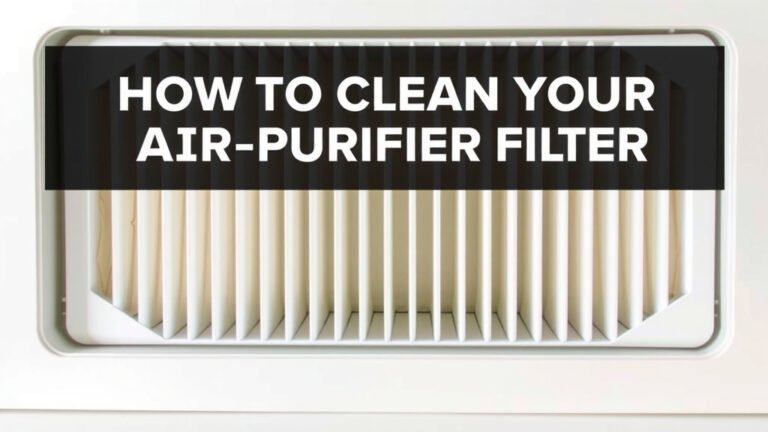
Air purifiers need upkeep to work well. You’ll need to replace the filters regularly. Filter life varies by model and usage. Check your owner’s manual for recommendations. Dirty filters won’t clean the air effectively. They can even become a source of pollutants.
Boosting Ventilation for Better Airflow
Ventilation is all about bringing fresh air in and pushing stale air out. It’s a simple concept with a big impact on air quality.
The Benefits of Fresh Air
Stale indoor air can build up pollutants. These can include CO2, VOCs, and even airborne viruses. Opening windows lets fresh air dilute these concentrations. Many health organizations recommend good ventilation. It can help reduce the spread of illness. It also helps you feel more alert and focused.
Simple Ways to Improve Ventilation
The easiest way is to open windows. Even a few minutes each day can help. Try to do this during less polluted times of the day. Early morning or late evening are often good choices.
If you have an HVAC system, ensure it’s working correctly. Change the air filters regularly. Many systems have a setting to increase the amount of outside air brought in. Talk to your building manager about ventilation options. They might be able to adjust the system settings.
Using exhaust fans in restrooms or break rooms also helps remove stale air. It’s about creating a constant flow. We found that even a small amount of consistent fresh air makes a difference.

Keeping Your Office Clean: A Foundation for Fresh Air
A clean office is a prerequisite for clean air. Dust, dirt, and debris are sources of indoor air pollution.
Regular Cleaning Routines
Dust surfaces regularly with a damp cloth. This traps dust instead of just moving it around. Vacuum carpets and rugs often. Use a vacuum with a HEPA filter if possible. This prevents allergens from being blown back into the air.
Clean up spills immediately. Don’t let food particles sit out. They can attract pests and create odors. We found that a daily tidy-up can prevent bigger issues.
Controlling Moisture to Prevent Mold
Excess moisture is a breeding ground for mold. Mold spores can significantly impact air quality and health. Fix any leaks promptly. Ensure bathrooms and kitchen areas are well-ventilated.
Use a dehumidifier in damp areas if necessary. Keep an eye on potted plants; don’t let water sit in their saucers. Preventing mold is a key part of keeping your office air clean. Many sources, like the EPA, highlight this.
Quick Checklist for Fresher Office Air
Ready to take action? Here’s a quick to-do list:
- Add a few air-purifying plants.
- Consider a HEPA air purifier for your space.
- Open windows daily for 10-15 minutes.
- Dust surfaces with a damp cloth weekly.
- Vacuum carpets and rugs twice a week.
- Check and replace HVAC filters as needed.
Conclusion
You’ve learned how to transform your office air from stale to fresh. Adding plants, using air purifiers, and improving ventilation are your best allies. Simple cleaning routines also play a vital role. Taking these steps means a healthier, more focused workday for you. Start with one easy change today. You’ll feel the difference in no time. Your well-being at work matters greatly. Let’s make your office a breath of fresh air.
Frequently Asked Questions
How often should I run an air purifier?
For best results, you can run your air purifier continuously, especially in areas where people spend the most time. Many models are designed for constant use. Check your purifier’s manual for specific recommendations based on its features and your office size.
Can just one plant really make a difference in air quality?
Yes, even one well-placed air-purifying plant can contribute to cleaner air. While more plants offer greater filtration, studies show that even a few can help remove common indoor toxins. They also boost your mood!
What’s the best way to clean office air if I can’t open windows?
If opening windows isn’t an option, focus on mechanical solutions. A high-quality air purifier with a HEPA filter is essential. Ensure your building’s HVAC system is well-maintained and filters are changed regularly. These methods help circulate and clean indoor air effectively.
How do I know if my office air quality is actually bad?
You might notice symptoms like frequent headaches, fatigue, or respiratory irritation. Unpleasant odors or a generally stuffy feeling can also indicate poor air quality. Investing in an air quality monitor can give you concrete data on particle levels.
Are desk fans good for purifying office air?
Standard desk fans circulate air but do not purify it. They can help improve airflow, which is a component of ventilation. However, they don’t filter out pollutants. For actual purification, you need an air purifier with filters or plants.
![What Is The Best Air Purifier for Gas Stove [In 2026]](https://homeunderstandable.com/wp-content/uploads/2025/04/best-air-purifier-for-gas-stove.jpg)