Breathe Easy: Naturally Purify Your Room’s Air
You can absolutely purify the air in your room naturally. Simple methods like increasing ventilation and adding air-purifying plants can make a big difference. We found that these natural techniques are surprisingly effective at removing common indoor pollutants.
Many common household items can contribute to indoor air pollution. Things like cleaning products, synthetic fragrances, and even new furniture can release volatile organic compounds (VOCs). Fortunately, you can counteract these with a few smart, natural strategies that focus on fresh air and plant power.
- Open windows daily for fresh air.
- Introduce houseplants known for air purification.
- Avoid synthetic fragrances and harsh chemicals.
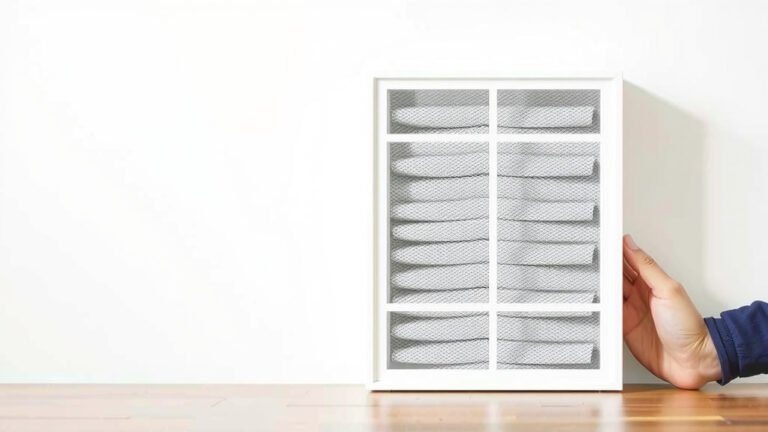
- Consider using activated charcoal filters.
Let’s walk through exactly how you can easily start breathing cleaner air at home right away.
Making Your Room Air Fresher Naturally
You’re likely wondering about the best ways to improve your indoor air quality without relying on artificial products. Many people find that simple, natural methods are incredibly effective for achieving a cleaner, fresher living space. We’ve looked into what really works to cut down on those common indoor irritants.
The Power of Ventilation: Let the Outside In
This is your absolute first and most important tool for natural air purification. Think of your room as a little ecosystem. It needs a fresh supply of air to thrive, just like you do!
Daily Air Exchange
Opening your windows for even just 10-15 minutes each day can make a huge difference. This lets stale air out and brings fresh oxygen in. It helps to flush out pollutants that build up over time.
Strategic Ventilation
It’s not just about opening a window. If you have windows on opposite sides of your room or house, open them both. This creates a cross-breeze that really helps push the old air out more efficiently. Research often highlights this as a key step for reducing indoor air contaminants (CDC).
When to Ventilate
The best times to ventilate are usually in the morning or evening when outdoor air quality is typically better. Avoid ventilating during peak traffic hours if you live near a busy road. Also, keep an eye on local air quality reports for days with high pollution or pollen counts.
Harnessing Nature’s Cleaners: Houseplants
Did you know that certain houseplants can actually help filter the air you breathe? It’s true! While they won’t replace good ventilation, they offer a lovely natural boost.
Top Air-Purifying Plants
The National Aeronautics and Space Administration (NASA) did some early research that pointed to several common houseplants as effective air cleaners. Some top performers include:
- Snake Plant (Sansevieria trifasciata): These are super resilient and can even convert carbon dioxide into oxygen at night.
- Spider Plant (Chlorophytum comosum): Easy to care for and known for removing formaldehyde and xylene.
- Peace Lily (Spathiphyllum): Not only beautiful, but they also help filter out a range of toxins like ammonia and benzene.
- Boston Fern (Nephrolepis exaltata): Great at adding humidity and filtering out common pollutants.
How Plants Help
Plants absorb certain pollutants through their leaves and roots. They also release oxygen, which is a bonus! It’s like having tiny, living air filters working for you. Just remember to keep their soil moist and trim away any dead leaves to keep them healthy and effective.
Minimizing Indoor Pollutant Sources
Sometimes, the best way to purify the air is to stop the pollutants from entering your space in the first place. This is a really effective strategy that many experts recommend.
Watch Out for VOCs
Volatile Organic Compounds (VOCs) are gases emitted from many common household products. These can include paints, cleaning supplies, air fresheners, and even new furniture or carpets. These can sometimes irritate your eyes, nose, and throat (NIH).
Choose Natural Products
When you clean your home, opt for natural or DIY cleaners. Think vinegar, baking soda, and lemon juice. These do a great job without releasing harsh chemicals into the air.
Say No to Synthetic Fragrances
Artificial scents in candles, plug-ins, and sprays can contribute to indoor air pollution. If you like a nice smell, try using essential oil diffusers with natural oils or simply opening a window for fresh air.
Declutter and Clean Regularly
Dust and allergens can settle on surfaces and get recirculated by fans or air currents. Regular dusting and vacuuming with a HEPA filter can help reduce these particles. Less clutter also means fewer places for dust to hide!
Other Natural Air-Purifying Tools
Beyond plants and ventilation, there are a few other natural aids you can consider to help keep your air clean.
Activated Charcoal
Activated charcoal is a fantastic natural absorbent. It has a porous surface that traps odors, moisture, and airborne impurities. You can find charcoal filters or even bags of activated charcoal designed for home use.
Baking Soda for Odors
A simple box of baking soda can work wonders for absorbing odors in small spaces. Place an open box in a closet, refrigerator, or near a litter box. It’s a cheap and effective odor neutralizer.
A Quick Natural Air Purification Checklist
Ready to put this into action? Here’s a simple list to get you started:
- Open windows daily for at least 15 minutes.
- Add 1-2 air-purifying plants to your room.
- Choose natural cleaning products over chemical ones.
- Avoid artificial air fresheners and scented candles.
- Dust and vacuum regularly to reduce airborne particles.
- Consider placing an activated charcoal bag in a problem area.
Conclusion
You’ve learned that achieving cleaner indoor air doesn’t require fancy gadgets. By focusing on simple, natural methods, you can make a real difference in your living space. Increasing daily ventilation and incorporating air-purifying plants are powerful first steps. We found that reducing pollutant sources and using natural aids like activated charcoal further boost your efforts. Start by opening your windows for just 15 minutes today. Your lungs will thank you for it!
Frequently Asked Questions
How many plants do I really need to purify my room’s air?
While even one plant can help, aim for about 1-2 plants per 100 square feet of space for noticeable air purification benefits. More plants can provide a greater impact, especially if you’re dealing with common pollutants.
Can opening windows really make that much of a difference for air quality?
Absolutely! Daily ventilation is one of the most effective ways to reduce indoor air pollution. It allows stale, polluted air to escape and fresh, oxygen-rich air to enter your room.
Are there any specific times of day that are better for opening my windows?
Generally, early morning or late evening are ideal times for ventilation. This is when outdoor air quality is often at its best, avoiding peak pollution from traffic or midday heat.
What’s the difference between natural air purification and using an air purifier machine?
Natural methods like plants and ventilation work by introducing fresh air and absorbing some pollutants. Air purifier machines use filters, often HEPA, to actively trap particles from the air. Natural methods are a great supplement or alternative if you prefer not to use electronic devices.
Can I really get rid of odors naturally without sprays?
Yes, you can! Using baking soda in an open container is excellent for absorbing odors in small spaces. Activated charcoal is another fantastic natural absorbent that can help neutralize smells in rooms.
![What Is The Best Air Purifier for New Construction Home [In 2026]](https://homeunderstandable.com/wp-content/uploads/2025/05/best-air-purifier-for-new-construction-home.jpg)