How Long to Use an Air Purifier for Clean Air
You should use your air purifier continuously, especially when you’re home, to consistently improve indoor air quality. Think of it like leaving your lights on; you want it running when you need the benefits. Many experts recommend keeping it on 24/7, particularly if you have allergies, asthma, or live in an area with frequent pollution.
Running your air purifier all the time ensures it’s always working to capture airborne particles like dust, pollen, pet dander, and smoke. This constant circulation helps maintain a healthier living environment for you and your family. We found that consistent use can make a noticeable difference in reducing allergens and odors.
- Run your air purifier most of the time you’re home.
- Consider 24/7 operation for best results.
- It helps capture dust, pollen, and pet dander.
- Continuous use is key for consistent air cleaning.
Let’s walk through exactly how long and when you should be running your air purifier to get the most out of it.
So, you’ve got this air purifier humming away, and you’re wondering, “Am I using it right?” It’s a super common question, and the short answer is: the more, the better, generally. You’re likely looking for the sweet spot between effectiveness and, well, not running up your electricity bill unnecessarily. Let’s break down how to get the most clean air from your investment.
Optimizing Your Air Purifier’s Run Time
The general consensus from air quality experts is to run your air purifier whenever you are present in the space it’s intended to clean. This means you should be using it during the hours you’re awake and active in that room. Think of it as a personal air shield working hard for you. It’s not typically designed for short bursts of activity.
Continuous vs. Intermittent Use
Should you leave it on 24/7? For most households, especially those with airborne sensitivities, continuous operation is recommended. This ensures a constant reduction of pollutants. If you’re aiming for the highest possible air quality, keeping it on all the time is the way to go. This prevents pollutant levels from spiking between cycles. Many manufacturers also suggest this approach for optimal performance (Levoit).
However, we understand the concern about electricity usage. If 24/7 operation isn’t feasible, prioritize running it when you’re home. This captures the particles you’ll be breathing most. Running it for at least 8-12 hours a day when you’re home is a good starting point. Research and found that even shorter periods of consistent use can make a difference, but more time means more cleaning (HEPAFilterLab).
When to Prioritize Continuous Use
There are specific situations where running your air purifier 24/7 is almost non-negotiable. If anyone in your household suffers from allergies or asthma, continuous operation is key. It helps maintain a consistently low level of allergens like pollen, dust mites, and pet dander. This can significantly reduce symptom flare-ups.
Areas with high outdoor pollution also benefit greatly from 24/7 use. Wildfire smoke, industrial emissions, or even heavy city traffic can constantly push pollutants into your home. Your air purifier acts as a vital defense. We found that homes near busy roads or in regions prone to wildfires see the most benefit from constant filtration.
When Intermittent Use Might Be Okay
In a perfectly sealed home with no occupants and zero outdoor pollution, an air purifier might not need constant attention. But let’s be realistic, such a place doesn’t exist. If you live in a rural area with pristine air quality and no pets or smokers in the house, and no one has respiratory issues, you might get away with running it only during peak pollution times or when you’re home for extended periods. Still, even in these ideal scenarios, some level of filtration is always beneficial.
Factors Influencing Your Air Purifier’s Run Time
Your specific needs will dictate the best run time for your air purifier. Consider these factors:
- Allergies and Asthma: If you or someone in your home has these conditions, run the purifier as much as possible, ideally 24/7.
- Pets: Pet dander is a persistent allergen. Continuous use helps manage dander and odors.
- Smoking: If someone smokes indoors, the purifier needs to run constantly to capture smoke particles and odors.
- Location: Living in a city with poor air quality or near sources of pollution (like highways or industrial areas) warrants longer run times.
- Home Environment: Dust levels, cooking odors, and general air freshness play a role.
Maximizing Air Purifier Efficiency
Beyond just deciding how long to run it, you can optimize its effectiveness. Proper placement and maintenance are just as important as consistent operation. An air purifier can only clean the air that passes through it.
Strategic Placement for Best Results
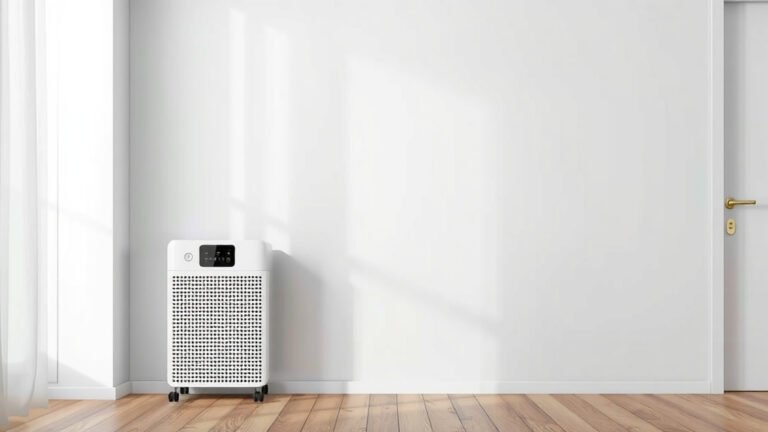
Where you put your air purifier matters a lot. For general room use, place it in the area where you spend the most time. This could be your living room or bedroom. Ensure there’s at least a foot of clearance around the unit. Air needs to flow freely in and out of the device.
Avoid placing it behind furniture or too close to walls, as this can restrict airflow and reduce its efficiency. If you have a specific problem area, like a room that always smells stale or where a pet spends most of its time, focus its use there. We found that placing a unit in the bedroom can dramatically improve sleep quality for allergy sufferers (Cleveland Clinic).
Maintenance is Key
Your air purifier is only as good as its filters. Neglecting filter changes means the device will stop cleaning effectively, and its performance will drop significantly. Always follow the manufacturer’s recommendations for filter replacement. This usually ranges from every 6 months to a year, depending on the filter type and your air quality.
Regularly cleaning the pre-filter (if your unit has one) can also extend the life of your main filters. Dust and larger particles get trapped here. Simply vacuuming or rinsing it can make a big difference. Check your user manual for specific cleaning instructions.
Understanding Fan Speed Settings
Most air purifiers have multiple fan speed settings. Higher speeds clean the air more quickly but are also louder and use more energy. Lower speeds are quieter and more energy-efficient but take longer to purify the air.
We found that many people set their purifiers to a medium or high setting during the day when they’re active and can tolerate a bit more noise. Then, they switch to a lower, quieter setting at night, especially in the bedroom. This balances effective cleaning with comfort and energy savings.
| Situation | Recommended Run Time | Notes |
|---|---|---|
| Severe Allergies/Asthma | 24/7 | Continuous filtration is vital. |
| Homes with Pets | 24/7 or 12+ hours/day | Manages dander and odors effectively. |
| High Outdoor Pollution (e.g., wildfires, city) | 24/7 | Protects against persistent airborne irritants. |
| General Home Use (no specific issues) | When home (8+ hours/day) | Provides a good baseline of cleaner air. |
| Occasional Odor/Dust Issues | As needed (2-4 hours/day) | Helps clear the air for short periods. |
Energy Consumption Considerations
It’s natural to think about your electricity bill. Modern air purifiers are generally quite energy-efficient. Many use as little electricity as a regular light bulb, especially on lower settings. Running a unit on its lowest setting 24/7 might cost only a few dollars a month in electricity, depending on your local rates.
If energy cost is a major concern, focus on using energy-saving modes or timers if your unit has them. Prioritize running it during times when air quality is most important to you, such as overnight or during the day when you’re home. We found that the cost of running most standard air purifiers is quite minimal compared to the potential health benefits (Energy Star).
Here’s a quick checklist to help you decide:
- Run your air purifier when you are home.
- Consider 24/7 use if you have allergies or asthma.
- Place it in the room where you spend the most time.
- Keep at least 1 foot of clearance around the unit.
- Change filters according to the manufacturer’s schedule.
- Clean any pre-filters regularly.
Conclusion
You’ve learned that using your air purifier consistently is the best way to enjoy cleaner indoor air. Whether you choose to run it 24/7 or primarily when you’re home, the goal is continuous filtration. Prioritize longer run times if you deal with allergies, asthma, pets, or live in a polluted area. Remember that strategic placement and regular maintenance, like changing filters, are just as vital for optimal performance.
Start by assessing your household’s specific needs and adjust your usage accordingly. Making these simple changes will help you breathe easier and create a healthier living space for everyone.
Frequently Asked Questions
Can I leave my air purifier on all day?
Yes, many experts recommend leaving your air purifier on 24/7, especially if you have allergies, asthma, pets, or live in an area with poor air quality. Continuous operation ensures that airborne pollutants are constantly being removed, maintaining a consistently healthier environment for you and your family.
What happens if I only run my air purifier when I’m home?
Running your air purifier only when you’re home is still beneficial and a good compromise if 24/7 use isn’t feasible. It ensures you’re breathing cleaner air during the times you’re most exposed to indoor pollutants. Research shows consistent use, even for 8-12 hours a day, can make a noticeable difference.
Is running an air purifier 24/7 expensive to run?
Modern air purifiers are generally energy-efficient, especially on lower settings. Running a unit 24/7 on its lowest setting might only add a few dollars to your monthly electricity bill, depending on your rates. The cost is often minimal compared to the health benefits of cleaner air.
How does using an air purifier at night affect my sleep?
Running your air purifier at night, especially in the bedroom, can significantly improve sleep quality if you suffer from allergies or asthma. By continuously filtering allergens and irritants, it reduces potential nighttime symptom flare-ups, allowing for more restful sleep. Many units have quiet, low-speed settings perfect for nighttime use.
Should I use different fan speeds at different times?
Yes, adjusting fan speeds can optimize performance and energy use. You might opt for a higher speed during the day when you’re active and can tolerate more noise for faster air cleaning. Then, switch to a lower, quieter speed at night for undisturbed rest while still filtering the air.