Naturally Purify Home Air: 7 Simple Steps
Yes, you can purify your home air naturally with simple, accessible methods. Often, the best natural air purifiers involve plants, houseplants, and smart ventilation. You can also reduce indoor air pollutants with regular cleaning and by avoiding certain products. Let’s make your home air fresher!
Indoor air quality can be a real concern. Common household items can release volatile organic compounds (VOCs) into your air. Fortunately, making your living space a healthier sanctuary doesn’t require fancy gadgets. We found that a combination of strategic choices can make a big difference for your family’s well-being.
- Bring in houseplants known for air purification.
- Open windows regularly for fresh air exchange.
- Use natural cleaning products.
- Control humidity levels to prevent mold.
- Consider activated charcoal for odor absorption.
Ready to breathe a little easier? Below, we’ll walk through the most effective natural ways to improve your home’s air quality, step by step.
Breathing Easier: Natural Ways to Freshen Your Home Air
Improving your home’s air quality doesn’t require expensive machines. You can effectively purify your indoor environment using simple, natural methods. We found that a few smart changes can make a big difference for your family’s health.
Harnessing the Power of Plants for Cleaner Air
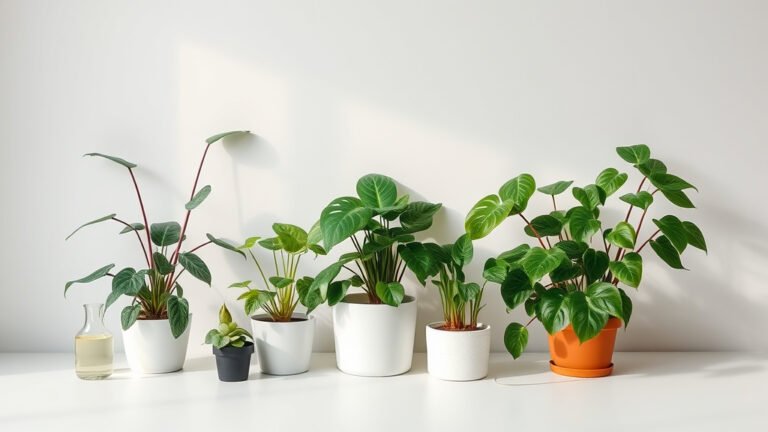
Houseplants are more than just pretty decor. Many varieties are amazing natural air filters. They absorb common pollutants from the air around them. Research from NASA showed that certain plants could remove chemicals like formaldehyde and benzene.
Top Plant Picks for Air Purification
Which plants are the best for cleaning your air? We found that a few stand out for their air-purifying abilities:
- Spider Plant: Easy to grow and effective at removing formaldehyde.
- Snake Plant (Mother-in-Law’s Tongue): Tolerant of low light and good at removing benzene.
- Peace Lily: Beautiful flowers and excellent at filtering ammonia and other toxins.
- Boston Fern: Great at adding humidity and removing formaldehyde.
- Areca Palm: A larger plant that can humidify and purify a room.
Caring for Your Green Air Filters
To get the most out of your plants, ensure they’re healthy. Give them the right amount of light and water. We found that overwatering can lead to mold, so always check the soil moisture first. Too much water can create new problems.
The Importance of Natural Ventilation
Fresh air is the simplest and often the most overlooked air purifier. Opening your windows allows stale indoor air to escape. It also brings in fresh oxygen. Many experts suggest opening windows for at least 15-30 minutes each day. This exchange helps reduce the concentration of indoor pollutants.
When to Ventilate for Best Results
Timing your ventilation can be smart. It’s best to open windows when outdoor air quality is good. Check local air quality reports. Avoid ventilating during peak traffic hours. Morning hours are often a good time to air out your home. You can also ventilate after cleaning or cooking. This helps clear out any temporary pollutant spikes.
Natural Cleaning for a Healthier Home
The products you use for cleaning can affect your air quality. Many conventional cleaners contain harsh chemicals. These can release volatile organic compounds (VOCs) into your air. We found that switching to natural cleaning alternatives can significantly reduce indoor pollutants.
Simple DIY Cleaning Solutions
You can create effective cleaners with common household ingredients. Vinegar and baking soda are your friends here. For general cleaning, mix equal parts white vinegar and water in a spray bottle. This works well on many surfaces. For scrubbing, a paste of baking soda and water is fantastic. These are gentle yet effective cleaners.
Avoiding Common Indoor Pollutants
Beyond cleaning supplies, other items can pollute your air. Air fresheners, scented candles, and aerosols often release VOCs. We found that opting for unscented or naturally scented products is a good idea. Look for products with minimal ingredients. Your lungs will thank you.

Controlling Humidity: A Mold Prevention Strategy
Humidity plays a key role in indoor air quality. High humidity levels can encourage the growth of mold and dust mites. These can trigger allergies and respiratory issues. We found that keeping humidity levels between 30-50% is ideal.
Natural Ways to Manage Moisture
Use exhaust fans in bathrooms and kitchens. Make sure they vent outside. Open windows after showering or cooking. If needed, use a dehumidifier in damp areas like basements. Ensuring good airflow also helps. This prevents moisture buildup in hidden spots. Controlling moisture is a preventative measure against poor air.
Activated Charcoal: A Natural Odor Absorber
Activated charcoal is a natural material that can absorb odors and impurities. It’s made from materials like wood or coconut shells. The porous surface of activated charcoal traps molecules. This makes it effective at removing smells from the air. We found it to be a simple, non-toxic solution for stale odors.
Using Activated Charcoal at Home
You can buy activated charcoal in bags or canisters. Place them in areas prone to odors, such as closets, bathrooms, or near pet areas. The charcoal will absorb smells over time. To refresh it, simply place the bags in direct sunlight for a few hours. This reactivates the charcoal for continued use.
A Quick Checklist for Fresher Air
Ready to start improving your home’s air naturally? Here’s a quick to-do list:
- Add a few air-purifying houseplants to your rooms.
- Open windows daily for at least 15 minutes.
- Switch to natural or DIY cleaning products.
- Use exhaust fans and ventilate after showers.
- Place activated charcoal bags in odor-prone areas.
- Avoid synthetic air fresheners and scented candles.
Conclusion
You’ve learned that creating fresher, cleaner indoor air is entirely achievable without fancy gadgets. By incorporating air-purifying plants, ensuring regular ventilation, and choosing natural cleaning methods, you’re taking powerful steps for your home’s health. Controlling humidity and using activated charcoal further combat pollutants and odors. Start today by adding just one or two of these simple strategies to your routine. You’ll be breathing easier before you know it.
Frequently Asked Questions
How many houseplants do I need to purify my air?
You don’t need a jungle! While research suggests a good number of plants helps, even a few well-placed, air-purifying plants can make a noticeable difference. Focus on selecting plants known for their air-cleaning abilities and keep them healthy.
Is opening windows enough to purify my air?
Opening windows is a fantastic natural purifier, but it’s most effective when combined with other methods. It’s best done when outdoor air quality is good and for at least 15-30 minutes daily. This allows stale indoor air to escape and fresh air to enter.
Can DIY cleaners really improve indoor air quality?
Yes, they can! Many commercial cleaners release VOCs. Simple solutions like vinegar and water or baking soda are effective for cleaning without introducing harsh chemicals. We found this switch noticeably reduces airborne irritants.
What is the best way to control humidity naturally?
Natural humidity control involves smart habits. Use exhaust fans in bathrooms and kitchens, open windows after showering or cooking, and ensure good airflow. Keeping humidity between 30-50% helps prevent mold and dust mites.
How often should I refresh activated charcoal bags?
Activated charcoal bags can typically be refreshed every few months. Placing them in direct sunlight for a few hours helps reactivate their absorbent properties. You’ll know they need refreshing when odors start to return more quickly.