Breathe Easy: How to Purify Indoor Air Effectively
You can purify your indoor air by focusing on removing sources of pollutants and improving ventilation. Simple steps like cleaning regularly and using air purifiers can make a big difference. Many common household items can release particles into the air, so reducing these is key. We found that consistent effort in these areas leads to a fresher, healthier home environment.
Breathing cleaner air indoors is important for your well-being. Poor indoor air quality can sometimes be worse than outdoor air. It’s linked to various health issues. Making small changes can lead to noticeable improvements in how you feel. We’ve researched the most effective ways to achieve this for your home.
- Ventilate your home regularly by opening windows.
- Use high-efficiency air filters in your HVAC system.
- Consider adding houseplants that help clean the air.
- Clean and vacuum surfaces often to reduce dust.
- Limit the use of harsh chemical cleaning products.
Let’s walk through exactly how you can start purifying your indoor air today.
Keeping Your Indoor Air Fresh and Clean
You might be surprised by how much the air quality inside your home can impact your daily life. From better sleep to fewer sniffles, cleaner air is a real game-changer. We’ve looked into the most effective ways to make your home’s air healthier for everyone.
Controlling Pollutants at the Source
The first step in purifying your indoor air is to identify and reduce the things that make it dirty in the first place. Think of it like cleaning up your kitchen before you start cooking. The cleaner your starting point, the better the final result.
Common Household Pollutants
Many everyday items can release tiny particles or gases into your air. Things like cleaning products, air fresheners, and even some furniture can be culprits. We found that being mindful of these sources is key to improving air quality.
- Volatile Organic Compounds (VOCs): Found in paints, cleaning supplies, and some cosmetics.
- Particulate Matter: Dust, pet dander, pollen, and smoke particles.
- Mold and Mildew: Often appear in damp areas like bathrooms and basements.
- Carbon Monoxide: A dangerous gas from faulty furnaces or stoves.
Reducing Chemical Exposure
Harsh cleaning chemicals are a big contributor to indoor air pollution. Many of these release VOCs that can linger in the air. We found that switching to natural or DIY cleaning solutions can make a noticeable difference.
Consider using simple ingredients like vinegar, baking soda, and lemon for cleaning tasks. You get a clean home without the chemical fumes. It’s a win-win!
Managing Dust and Allergens
Dust is more than just annoying; it carries allergens like dust mites, pet dander, and pollen. Regular cleaning is your best defense against these airborne irritants. Your lungs will thank you.
Focus on surfaces where dust loves to settle: furniture, shelves, and floors. Even cleaning your curtains can help reduce trapped dust. Many experts suggest this as a foundational step (EPA).
The Power of Ventilation and Airflow
Once you’ve reduced what’s *in* your air, you need to think about how to get fresh air *in*. Good ventilation is like giving your home lungs a chance to breathe.
Opening Windows: The Simplest Solution
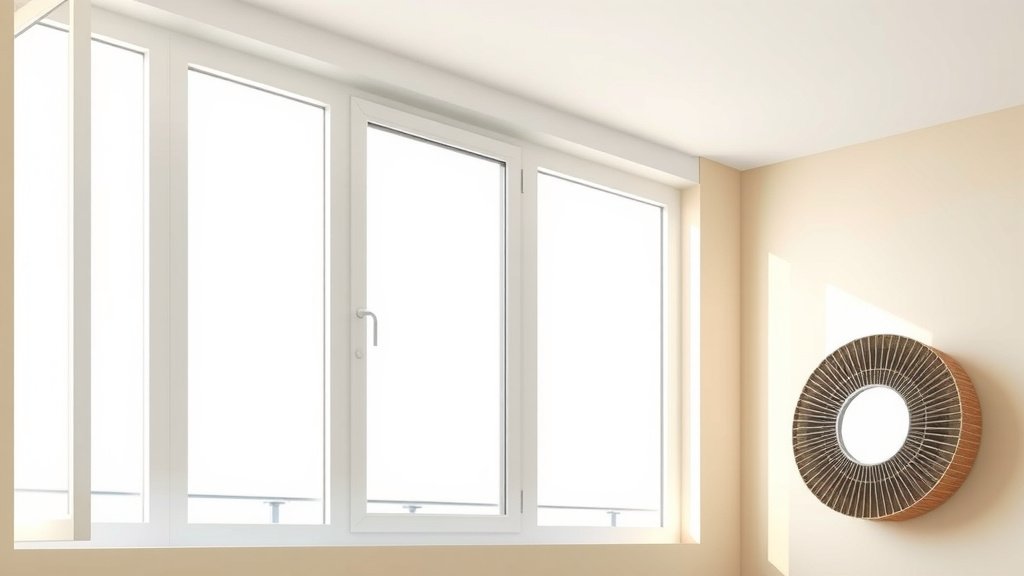
It sounds basic, but opening your windows regularly is one of the most effective ways to refresh your indoor air. It allows stale air to escape and fresh air to enter.
Even a few minutes each day can make a difference. Try opening windows on opposite sides of your home to create a cross-breeze. This helps push out pollutants more efficiently. We found that a quick 10-minute opening can significantly reduce indoor pollutants.
Using Your HVAC System Wisely
Your heating, ventilation, and air conditioning (HVAC) system plays a big role in air circulation. Using it correctly can help purify your air.
Change Your Air Filters Regularly: This is critical. A clogged filter can’t do its job. It might even recirculate dust and debris. We found that many people forget this simple maintenance task.
| Filter Type | MERV Rating Range | Filtration Level |
|---|---|---|
| Disposable Fiberglass | 1-4 | Basic dust and large particles |
| Washable/Reusable | 2-8 | Good for household dust |
| Pleated Media | 8-13 | Excellent for pet dander, mold spores, and finer particles |
| HEPA (High-Efficiency Particulate Air) | 17+ | Removes 99.97% of particles down to 0.3 microns |
Look for filters with a higher MERV (Minimum Efficiency Reporting Value) rating. MERV 8 to 13 is generally recommended for residential use. These filters capture smaller particles like pollen and mold spores.
When Natural Ventilation Isn’t Enough: Air Purifiers
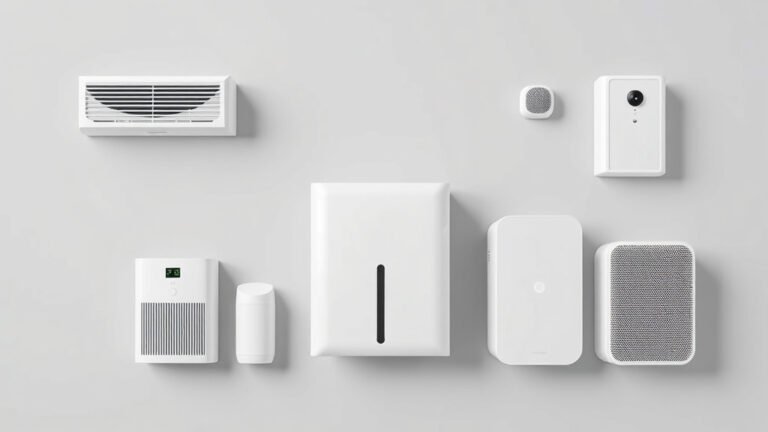
Sometimes, you need a little extra help, especially if you have allergies or live in an area with poor outdoor air quality. That’s where air purifiers come in.
We found that portable air purifiers with HEPA filters are very effective. They capture tiny particles that even good HVAC filters might miss. Place them in rooms where you spend the most time, like your bedroom or living room.
Choosing the Right Air Purifier: Look for units designed for the size of your room. Check reviews to see how well they perform. Many experts also suggest models with activated carbon filters to help remove odors and gases (Cleveland Clinic).
Natural Air Purifiers: Plants and More
Did you know that some plants can actually help clean your indoor air? It’s true! They act like tiny natural filters.
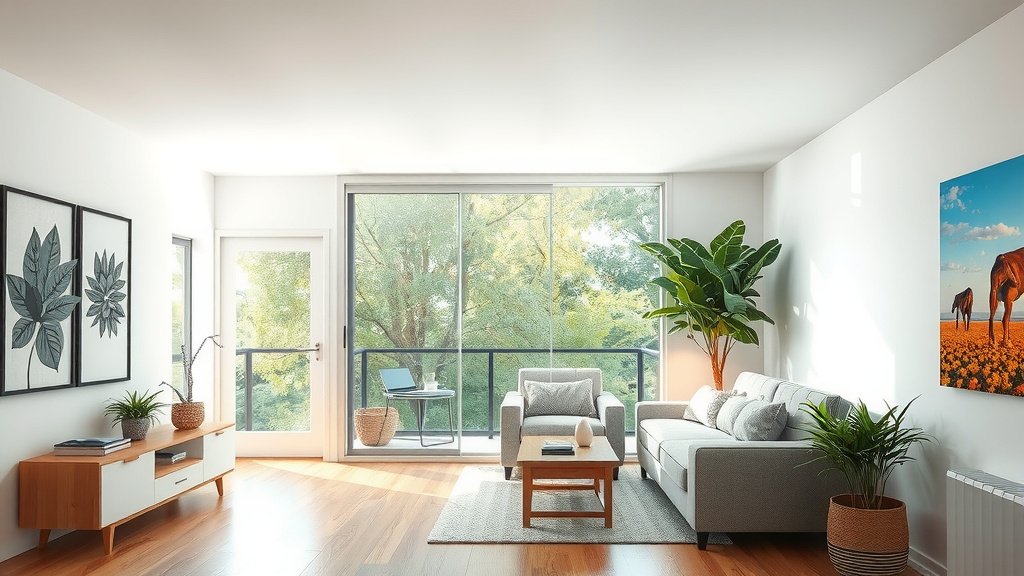
Houseplants for Cleaner Air: Plants like spider plants, snake plants, and peace lilies are known for their air-purifying qualities. They absorb certain pollutants and release oxygen. They also add a nice touch of green to your home!
While plants alone won’t solve major air quality issues, they can contribute to a healthier environment. Research has shown they can remove certain VOCs from the air (NASA Clean Air Study).
Quick Checklist for Fresher Air
Ready to take action? Here’s a simple list to get you started:
- Open windows daily for at least 10-15 minutes.
- Vacuum carpets and upholstery weekly.
- Wash bedding regularly in hot water.
- Switch to natural or fragrance-free cleaning products.
- Check and replace your HVAC air filter every 1-3 months.
- Consider adding a few air-purifying houseplants.
Conclusion
You have the power to create a healthier home environment. By controlling pollutants at their source and ensuring good ventilation, you can breathe easier. Remember that simple, consistent actions like regular cleaning and thoughtful product choices make a real difference. Start by implementing just one or two of these strategies today, and you’ll be on your way to fresher, cleaner indoor air. Your well-being is worth the effort.
Frequently Asked Questions
How often should I open my windows to purify indoor air?
Aim to open your windows for at least 10-15 minutes each day. Doing this on opposite sides of your home can create a cross-breeze, helping to expel stale air more effectively. Even a short period of ventilation makes a noticeable impact.
What’s the best type of air filter for my HVAC system?
For residential use, look for pleated media filters with a MERV rating between 8 and 13. These filters are excellent at capturing smaller particles like pet dander and mold spores. Always check your HVAC system’s manual for compatible filter types.
Are houseplants truly effective at purifying indoor air?
Yes, certain houseplants like spider plants and snake plants can help absorb some common indoor air pollutants. While they won’t replace other purification methods, they contribute to a healthier environment and add a nice aesthetic touch to your home.
How do I know if I need a portable air purifier?
You might benefit from a portable air purifier if you have allergies, asthma, pets, or live in an area with frequent poor outdoor air quality. Placing a HEPA-filtered purifier in rooms where you spend the most time can capture fine particles that HVAC filters might miss.
What are VOCs and how can I reduce them?
VOCs, or Volatile Organic Compounds, are gases released from many household products like paints, cleaning supplies, and cosmetics. You can reduce VOCs by choosing natural or fragrance-free cleaning products, using low-VOC paints, and ensuring good ventilation when using such products.
![5 Best Air Purifier for Cats With Asthma [In 2026]](https://homeunderstandable.com/wp-content/uploads/2025/06/best-air-purifier-for-cats-with-asthma-top-picks-for-allergy-relief-768x512.jpg)