How to Purify Your Air for a Healthier Home
You can purify your air by improving ventilation, using air purifiers, and controlling indoor pollution sources. This combination tackles pollutants from outside and inside your home. Many people wonder how to breathe easier. We found that a multi-pronged approach works best for cleaner indoor air.
Making your home’s air fresher is about more than just opening windows. It involves understanding what pollutes your air and how to stop it. Research shows that common household items and activities can impact your air quality. Addressing these issues can lead to a healthier living environment for you and your family.
- Improve ventilation by opening windows.
- Use an air purifier with a HEPA filter.
- Reduce indoor pollution sources.
- Keep plants that help clean the air.
- Maintain your HVAC system regularly.
Let’s walk through exactly how you can start purifying your air today. We’ll break down the most effective methods.
Boosting Your Home’s Air Quality: Simple Steps for Fresher Air
Breathing cleaner air at home is more achievable than you might think. It often comes down to managing what comes into your home and what stays inside. We’ve found that a few key strategies can make a big difference.
Ventilation: Bringing in the Fresh Air
Think of ventilation as your home’s lungs. It’s about swapping stale indoor air for fresh outdoor air. This is one of the most effective ways to reduce indoor pollutants.
The Power of Opening Windows
The simplest way to ventilate is by opening windows and doors. Doing this even for a few minutes a day can significantly improve your indoor air quality. It helps dilute pollutants like carbon dioxide and volatile organic compounds (VOCs).
Consider opening windows on opposite sides of your home. This creates a cross-breeze that pushes stale air out and pulls fresh air in more effectively. It’s a quick and easy method to refresh your living space.
When Opening Windows Isn’t Enough
What if you live in an area with poor outdoor air quality, or it’s just too cold or hot to open windows? In these cases, you might need other ventilation methods. Mechanical ventilation systems can help.
These systems, like exhaust fans in bathrooms and kitchens, pull air out of specific areas. They are crucial for removing moisture and odors. Using them regularly can prevent mold growth and keep your air smelling fresher.
Air Purifiers: Your Indoor Air’s Best Friend
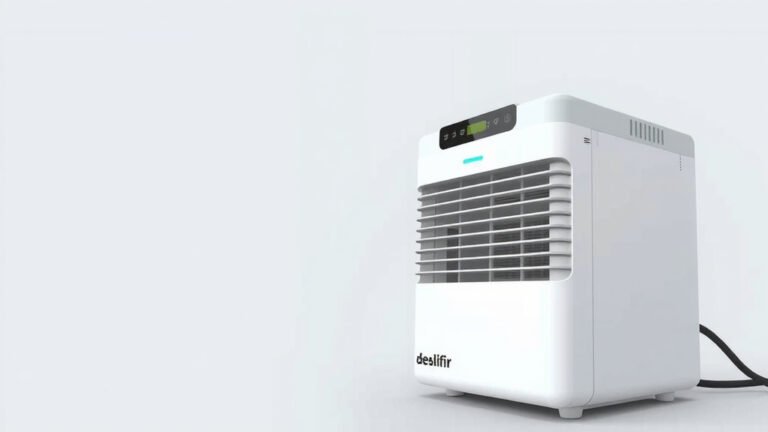
An air purifier can be a powerful tool for cleaner indoor air. These devices work by filtering out airborne particles. They can capture dust, pollen, pet dander, and even some microscopic contaminants.
Choosing the Right Air Purifier
Not all air purifiers are created equal. Look for one with a True HEPA filter. HEPA stands for High-Efficiency Particulate Air. These filters are designed to capture at least 99.97% of particles 0.3 microns in size. This includes many common allergens and pollutants.
Consider the size of the room you want to purify. Air purifiers have a Clean Air Delivery Rate (CADR) that indicates how quickly they can filter a room. Match the CADR to your room size for the best performance.
Understanding Different Filter Types
Beyond HEPA, some purifiers use other filtration methods. Activated carbon filters are great for removing odors and gases. UV-C light can help kill bacteria and viruses. However, research suggests that HEPA filters are the most effective for particle removal (EPA).
It’s wise to read reviews and understand the specific technology used in a purifier. Some marketing claims might not always align with actual performance. You want a device that truly cleans your air.
Controlling Indoor Pollution Sources
Sometimes, the best way to purify your air is to stop pollutants from entering it in the first place. Many common household items and activities can release harmful compounds.
Watch Out for VOCs
Volatile Organic Compounds (VOCs) are gases emitted from certain solids or liquids. You can find them in paints, cleaning supplies, air fresheners, and even furniture. These can irritate your eyes, nose, and throat. Some can cause more serious health effects over time.
Try to choose low-VOC or no-VOC products whenever possible. Opt for natural cleaning alternatives like vinegar and baking soda. Allow new furniture or freshly painted rooms to air out thoroughly before spending extended time in them.
The Impact of Smoking and Burning
Smoking indoors is a major source of indoor air pollution. It releases a cocktail of harmful chemicals into the air. Even with ventilation, the effects can linger. The healthiest option is to not smoke indoors at all.
Candles and incense can also release particulate matter and VOCs. While they can create a nice ambiance, consider using them sparingly or opting for cleaner alternatives. Opt for soy or beeswax candles over paraffin wax, which can produce more soot.
Managing Pet Dander and Dust Mites
If you have pets, their dander can be a significant allergen. Regular grooming and cleaning of pet areas can help. Frequent vacuuming with a HEPA filter vacuum is also recommended.
Dust mites are tiny creatures that thrive in warm, humid environments. They are common in bedding, carpets, and upholstery. Washing bedding in hot water weekly can reduce dust mite populations. Using allergen-proof covers on mattresses and pillows can also make a big difference.
A Checklist for Cleaner Indoor Air
Ready to take action? Here’s a quick checklist to help you improve your home’s air quality:
- Open windows daily for at least 10-15 minutes.
- Use exhaust fans in kitchens and bathrooms.
- Consider an air purifier with a True HEPA filter.
- Choose low-VOC products for cleaning and home improvement.
- Vacuum regularly with a HEPA-filter vacuum cleaner.
- Wash bedding in hot water weekly.
Maintaining Your HVAC System
Your heating, ventilation, and air conditioning (HVAC) system plays a vital role in your home’s air quality. Regular maintenance is key to ensuring it’s working efficiently and not circulating pollutants.
The Importance of Filter Replacement
Your HVAC system has an air filter designed to capture dust and debris. A clogged filter can restrict airflow and force your system to work harder. More importantly, it can’t effectively filter your air when it’s full.
Check your air filter monthly and replace it as needed. The general recommendation is every 1-3 months, depending on the filter type and your home environment (e.g., pets, allergies). Using a higher MERV-rated filter can capture smaller particles, but ensure your system can handle the increased airflow resistance.
Professional Inspections and Cleaning
Schedule professional HVAC inspections annually. Technicians can check for issues with your system, clean components, and ensure it’s running safely and efficiently. They can also identify and clean ductwork if necessary, preventing the buildup of dust and mold.
Keeping your HVAC system in good shape is an investment in your home’s overall health. It contributes to better air circulation and filtration.
Conclusion
You’ve learned that achieving cleaner indoor air is a journey, not a single fix. By combining improved ventilation, smart use of air purifiers, and diligent control of indoor pollution sources, you create a healthier home environment. Remember that regular maintenance of your HVAC system also plays a key role. Start by implementing one small change this week, like airing out your home for 15 minutes daily. You have the power to breathe easier and feel better right in your own living space.
Frequently Asked Questions
How often should I run my air purifier?
You can run your air purifier continuously for the best results, especially in high-traffic areas or rooms where you spend the most time. Many modern units are energy-efficient, making 24/7 operation a viable option. Check your model’s recommendations for optimal usage.
Are houseplants really effective at purifying the air?
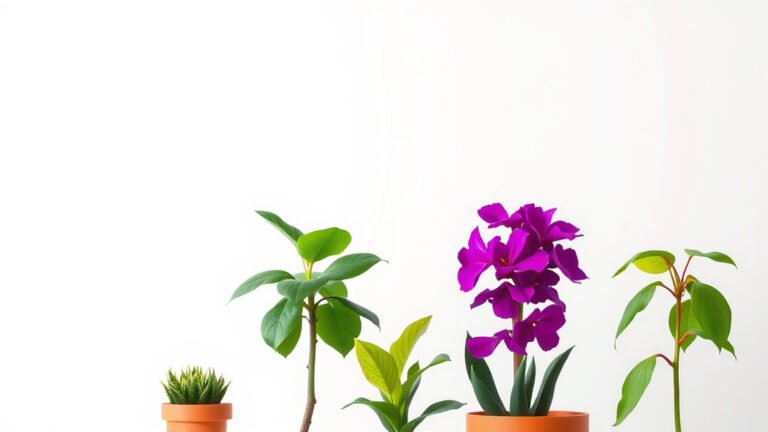
While plants like snake plants and spider plants can help filter out certain VOCs, research suggests you’d need a very large number of plants to significantly impact overall air quality. They can contribute to a healthier environment, but shouldn’t be your sole purification method.
What’s the difference between an air purifier and an air filter for my HVAC system?
An air purifier is a standalone appliance designed to clean the air in a specific room. An HVAC air filter works within your central heating and cooling system to clean the air as it circulates throughout your entire home. Both are important for air quality.
Can opening windows make my indoor air quality worse?
Yes, if you live in an area with high outdoor pollution, heavy pollen counts, or smoke from wildfires, opening windows can bring those pollutants inside. In such cases, using a quality air purifier and focusing on sealing your home from outdoor air is a better strategy.
How can I reduce pollutants from cleaning products?
You can switch to natural cleaning alternatives like vinegar, baking soda, and lemon juice, which produce fewer harmful VOCs. When using conventional cleaners, ensure good ventilation by opening windows or using exhaust fans. Always follow product instructions for safe usage.