Breathe Easy: How to Purify Your Home Air
You can definitely purify your home’s air with a few smart strategies! The quickest way to start is by improving ventilation, using air purifiers, and identifying common pollutants. Clean air makes a big difference in how you feel every day.
Many factors can affect your indoor air quality, from dust and pet dander to cooking fumes and cleaning chemicals. We found that tackling these sources head-on is key to creating a healthier living space. A breath of fresh air is more achievable than you might think!
- Open windows regularly for fresh air.
- Invest in a good quality air purifier.
- Identify and reduce indoor pollution sources.
- Consider houseplants for natural air filtering.
- Maintain your HVAC system for cleaner airflow.
Ready to make your home feel fresher? Let’s walk through exactly how you can purify your air, step by step.
Breathe Easier: Simple Ways to Improve Your Home’s Air Quality
Making your home’s air cleaner is more achievable than you might think. You can start by focusing on a few key areas.
Ventilation: Your First Line of Defense
Opening windows is like giving your home a much-needed “breather.” It lets stale indoor air escape. Fresh outdoor air can then come in. This simple act significantly reduces pollutant buildup.
Research shows that good ventilation is key to healthy indoor air (CDC). Many pollutants get trapped inside without fresh air circulation. This includes things like carbon dioxide and VOCs (volatile organic compounds).
How Often Should You Ventilate?
Aim to open windows for at least 15-30 minutes each day. Doing this in the morning is often best. It helps clear out air that’s been sitting all night. You might want to ventilate more often if you’re cooking or cleaning.
Cross-Ventilation for Maximum Effect
For the best results, try to create cross-ventilation. This means opening windows on opposite sides of your home. This allows air to flow through your space more effectively. It’s like creating a natural air tunnel.
Air Purifiers: A Smart Investment
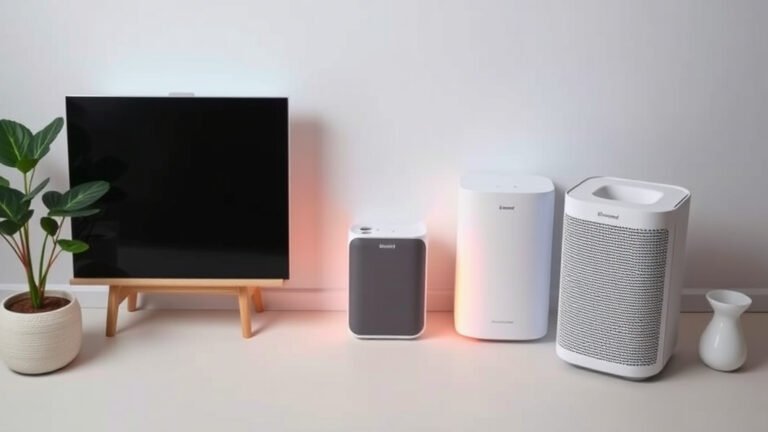
Air purifiers can be a game-changer for your home’s air quality. They work by filtering out tiny particles you can’t see. Think dust, pollen, pet dander, and even some bacteria and viruses.
We found that portable air purifiers are a popular choice. They can be moved to the rooms where you spend the most time. Many models use HEPA filters. These are highly effective at capturing small particles.
Choosing the Right Air Purifier
When selecting an air purifier, look for features that matter. A good HEPA filter is essential. Also, consider the size of the room you want to purify. The purifier’s CADR (Clean Air Delivery Rate) should match your room size.
Some purifiers also have activated carbon filters. These are great for removing odors and gases. This can be helpful if you have pets or enjoy cooking spicy meals. Remember to check the filter replacement schedule. This ensures your purifier keeps working efficiently.
Where to Place Your Air Purifier
Placement matters for optimal performance. Put your air purifier in the room where you spend the most time. This is often the bedroom or living room. Make sure it has space around it. Don’t push it right up against a wall or furniture.
Tackling Indoor Pollutants at the Source
While ventilation and purifiers help, it’s also smart to reduce pollutants where they start. Identifying common sources makes a big difference. Many everyday items can contribute to indoor air issues.
Common Culprits and Solutions
- Dust and Dander: Regular vacuuming and dusting are key. Use a vacuum with a HEPA filter if possible.
- Pet Hair: Groom your pets regularly. This reduces the amount of dander they shed.
- Cooking Fumes: Always use your range hood when cooking. It vents fumes outside.
- Cleaning Products: Opt for natural or low-VOC cleaning supplies. Ventilate well when using stronger cleaners.
- Mold and Mildew: Control humidity in bathrooms and kitchens. Fix any leaks promptly.
- Tobacco Smoke: Never smoke indoors. This is one of the most harmful indoor pollutants.
Many experts recommend minimizing the use of air fresheners and scented candles. These can release VOCs into your air (EPA). Instead, try opening windows for a natural fresh scent.
Houseplants: Nature’s Air Filters?
Houseplants can add beauty to your home. Some studies suggest certain plants can help filter indoor air. NASA even did research on this decades ago.
Plants like the Spider Plant, Snake Plant, and Peace Lily are often mentioned. They are thought to absorb small amounts of VOCs. While they won’t replace an air purifier, they can be a nice, natural addition. Just be mindful of overwatering. That can lead to mold in the soil.
Your HVAC System: A Hidden Helper
Don’t forget about your home’s heating, ventilation, and air conditioning (HVAC) system. It circulates air throughout your entire home. Keeping it clean ensures that circulated air is cleaner.
We found that changing your HVAC filter regularly is very important. A clogged filter can’t do its job. It also makes your system work harder. Check your filter every 1-3 months, depending on the type and your home environment.
Maintaining Your HVAC for Better Air
Beyond filters, consider professional HVAC maintenance. A technician can ensure your system is running efficiently and safely. They can also check for any issues that might affect air quality.
A well-maintained HVAC system helps with consistent airflow. This supports the effectiveness of any air purifiers you use. It’s part of a complete approach to clean indoor air.
Quick Checklist for Fresher Air
Ready to take action? Here’s a simple checklist to get you started:
- Open windows daily for ventilation.
- Schedule regular HVAC filter changes.
- Investigate and reduce pollution sources.
- Consider a HEPA air purifier for key rooms.
- Keep humidity levels in check.
- Clean or dust surfaces often.
Conclusion
You now have a clear path to cleaner indoor air. We’ve seen how simple steps like opening windows and using a HEPA air purifier can make a big difference. Remember to also tackle pollutants at their source, like dust and cooking fumes.
Don’t forget your HVAC system; regular filter changes are key. By combining these strategies, you’re creating a healthier environment for yourself and your family. Start with one small change today, and enjoy breathing easier at home!
Frequently Asked Questions
How often should I run my air purifier?
For best results, run your air purifier consistently, especially in rooms where you spend the most time. Many experts suggest running it 24/7 during allergy seasons or when pollution levels are high. You can adjust usage based on your home’s air quality and your sensitivity to pollutants.
Can houseplants really purify my air?
While houseplants can add a touch of nature and potentially filter some VOCs, they are not a substitute for proper ventilation or an air purifier. Research shows you’d need a very large number of plants to significantly impact indoor air quality. They are a nice supplement, not a primary solution.
What’s the difference between a HEPA filter and an activated carbon filter?
A HEPA filter is designed to capture tiny physical particles like dust, pollen, and pet dander. An activated carbon filter, on the other hand, is excellent at absorbing odors, gases, and chemicals, such as those from cooking or cleaning products. Many air purifiers use both for comprehensive air cleaning.
How do I know if my indoor air quality is bad?
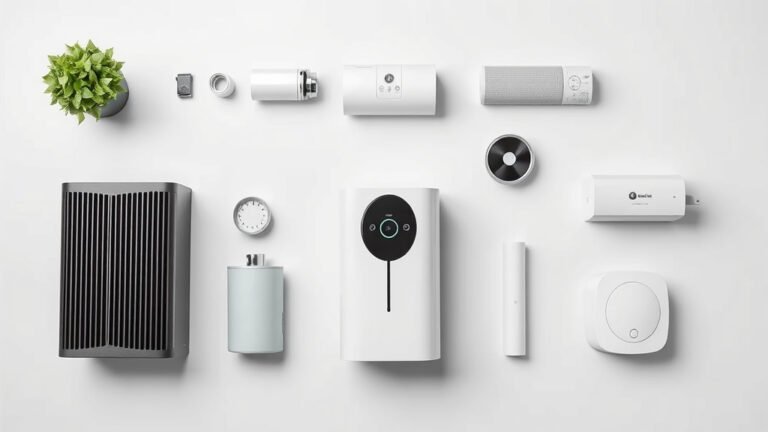
You might notice persistent odors, increased allergy symptoms like sneezing or itchy eyes, or frequent headaches. If you notice dust accumulating quickly, or if your home feels stuffy even with windows open, these could also be signs of poor air quality. Using a home air quality monitor can provide objective measurements.
How often should I change my HVAC filter?
It’s generally recommended to change your HVAC filter every 1 to 3 months. This timeframe can vary depending on the type of filter, whether you have pets, and how often you run your system. Visually inspect your filter monthly; if it looks visibly dirty, it’s time for a change.


![5 Best Large Room Air Purifier for Allergies [In 2026]](https://homeunderstandable.com/wp-content/uploads/2025/05/best-large-room-air-purifier-for-allergies-top-picks-for-clean-air-768x512.jpg)