
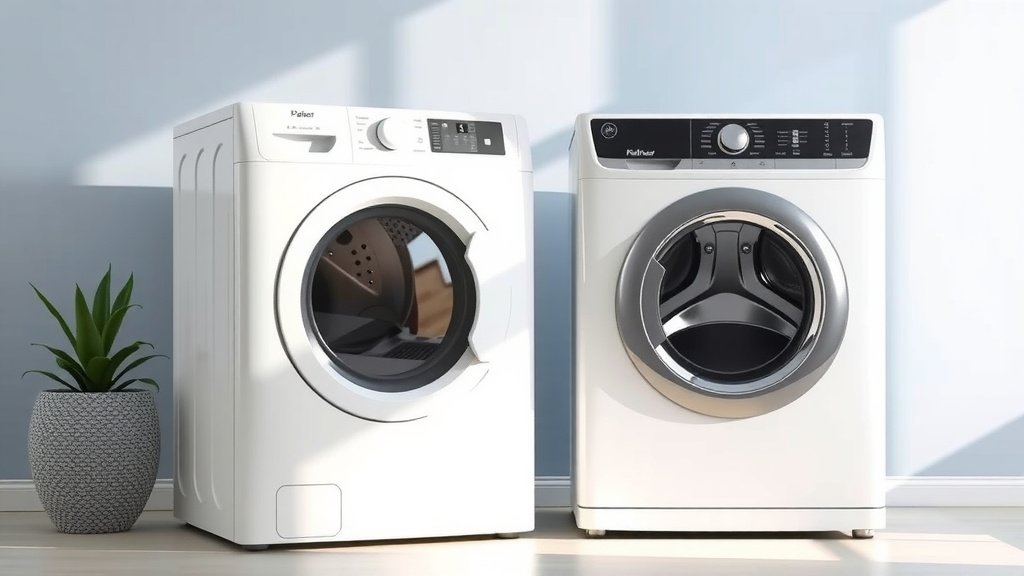
Washer Dryer Combo Cost: What to Expect in 2026
Washer dryer combos can range from $800 to $2,000 or more, depending on brand, features, and capacity. You’re likely looking at a mid-range price of around $1,200 to $1,500 for a solid, reliable unit. The cost really depends on what bells and whistles you want.
When you’re shopping for a washer dryer combo, remember that higher prices often mean quieter operation and more advanced cycles. Some units offer steam cleaning or smart features. You’ll want to consider your laundry needs and budget to find the best value.
- Washer dryer combos cost between $800 and $2,000+.
- Average price for a good model is $1,200-$1,500.
- Price varies by brand, features, and size.
- Higher cost usually means advanced features and better performance.
Let’s break down the factors that influence washer dryer combo prices, so you can find the perfect fit for your home and wallet.
Understanding Washer Dryer Combo Pricing
So, you’re curious about how much these all-in-one laundry heroes will set you back? It’s a great question! Washer dryer combos offer incredible convenience, especially for smaller homes or apartments. But their price tags can sometimes seem a bit confusing. We’ve researched this, and generally, you can expect to spend anywhere from $800 to $2,000 or more for a unit. The sweet spot for a reliable, mid-range model often lands between $1,200 and $1,500.
Why such a range? Think of it like buying a car. You can get a basic model or one loaded with all the premium features. The same goes for washer dryer combos. The price really hinges on the brand name, the number of features, and the capacity of the machine. We’ll break down what’s driving those costs so you can make an informed decision.
Key Factors Influencing Your Cost
Several elements play a role in determining the final price of a washer dryer combo. Understanding these will help you budget effectively.
Brand Reputation and Reliability
Just like with any appliance, certain brands come with a higher price tag. Established brands known for their durability and customer service often cost more upfront. Think of it as paying for peace of mind. We found that more premium brands, while pricier, sometimes offer better warranties and a history of fewer repair issues.
Capacity and Size Matters
How much laundry do you typically do? If you have a large family or tend to wash bulky items like comforters, you’ll need a larger capacity unit. These bigger machines generally cost more than their smaller counterparts. A standard combo might handle about 2.0 to 2.5 cubic feet. Larger ones can go up to 4.0 cubic feet or even more. We found that units with higher capacities can be $200 to $500 more expensive.
Feature Set: From Basic to High-Tech
This is where prices can really diverge. Do you want just the basics – wash and dry? Or are you dreaming of steam cycles, sanitizing options, or smart connectivity? More advanced features mean a higher cost.
Standard vs. Advanced Cycles
Basic combos offer essential wash and dry cycles. Advanced models might include steam cleaning for sanitizing or refreshing clothes, specialized cycles for delicates or athletic wear, and quicker wash/dry options. We found that steam functions alone can add $150 to $300 to the price.
Smart Technology and Connectivity
Want to start your laundry from your phone or get notifications when the cycle is done? Smart features are convenient but come at a premium. These connect to your home Wi-Fi and can be controlled via an app. While neat, we found that these smart capabilities can add another $100 to $200 to the cost.
Energy Efficiency Ratings
Appliances with higher energy efficiency ratings, like ENERGY STAR certified models, often cost more initially. However, they can save you money on your utility bills over time. The upfront investment in an energy-efficient model can pay off. Many guidelines point to these savings as a good long-term strategy (ENERGY STAR). So, while the sticker price might be higher, the overall cost of ownership could be lower.
Noise Level and Build Quality
A quieter machine is often a more expensive machine. Manufacturers use better insulation and motor technology to reduce noise. If your laundry area is near living spaces, this might be a feature worth investing in. We found that models specifically marketed as “quiet” or “vibration-reducing” tend to be at the higher end of the price spectrum. Better build quality often translates to quieter operation and longer lifespan.
Price Breakdown: What to Expect at Different Tiers
Let’s look at how pricing generally breaks down based on features and quality. Remember, these are estimates, and sales can certainly affect the final price.
| Price Range | What You Typically Get | Ideal For |
|---|---|---|
| $800 – $1,100 | Basic wash and dry cycles, smaller capacity (around 2.0 cu ft), standard build quality, potentially less energy-efficient. Might be noisier. | Students, single individuals, or those with very limited laundry needs and budget. Good for secondary homes. |
| $1,200 – $1,600 | Good capacity (2.2-2.7 cu ft), multiple wash/dry cycles, better energy efficiency, quieter operation, reliable brand names. May include some steam features. | Couples, small families, or anyone seeking a balance of features, performance, and price. A solid, all-around choice. |
| $1,700 – $2,000+ | Larger capacity (3.0+ cu ft), advanced features like steam, sanitizing, smart connectivity, superior quietness, premium build materials, top-tier energy efficiency. | Larger families, tech enthusiasts, or those who prioritize the quietest operation and maximum convenience and features. |
Finding the Best Value for Your Budget
So, how do you ensure you’re getting your money’s worth? It’s about matching the machine’s capabilities to your actual needs.
Assess Your Laundry Habits
Be honest about how much laundry you do and what types of items you wash. Do you need to sanitize baby clothes? Do you wash bulky blankets often? Answering these questions helps you avoid paying for features you’ll never use. We found that understanding your typical load size is the first step to right-sizing your purchase.
Prioritize Key Features
What’s a non-negotiable for you? Is it quiet operation? A quick wash cycle? Energy savings? Decide which features are most important and focus your search there. If you have a small apartment and noise is a major concern, you might stretch your budget for a quieter model. If you just need basic functionality, stick to the mid-range.
Look for Sales and Promotions
Appliance stores often have sales, especially around holidays like Memorial Day, Labor Day, or Black Friday. Keep an eye out for these deals. Sometimes, you can get a higher-end model at a mid-range price. We found that waiting for a sale can lead to significant savings of 10-20% or more.
Consider Long-Term Costs
Remember that energy efficiency can save you money over the life of the appliance. Also, factor in potential repair costs. While we can’t predict the future, researching a brand’s reliability can offer clues. A slightly more expensive, well-built machine might save you money on repairs down the line.
Read Reviews!
Don’t just take our word for it or the manufacturer’s claims. Real users can offer honest feedback on performance, noise levels, and reliability. Look for reviews that discuss long-term use. Many consumer review sites compile data that can be very helpful. We found that consistent praise or complaints about specific issues are often telling.
Here’s a quick checklist to keep in mind:
- Determine your laundry load size.
- Identify your must-have features (e.g., steam, quiet operation).
- Research brand reliability and warranty.
- Check energy efficiency ratings.
- Set a realistic budget.
- Look for upcoming sales events.
Conclusion
We’ve explored the exciting world of washer dryer combos and their costs. You can expect to invest anywhere from $800 to over $2,000. A reliable mid-range unit typically falls between $1,200 and $1,500. Remember that price is tied to brand, capacity, and those special features you desire. By assessing your laundry habits and prioritizing what truly matters to you, like quietness or energy savings, you can find a combo that perfectly fits your home and budget. Your next step is to start researching specific models that align with your needs! If you’re looking for the latest models, our guide to the best new washer dryer sets can help.
Frequently Asked Questions
Are washer dryer combos more expensive than separate units?
Generally, a washer dryer combo can be more expensive upfront than buying a basic, separate washer and dryer. However, their all-in-one convenience and space-saving design often justify the cost, especially for smaller living spaces. We found that the price difference can vary greatly depending on the models you compare.
Do cheaper washer dryer combos perform poorly?
While cheaper models will offer fewer features, they can still perform basic washing and drying functions well. You might find they take longer to dry, are noisier, or have fewer cycle options. We found that investing a little more can lead to better performance and longevity.
Is a washer dryer combo worth it for a large family?
For a large family, a washer dryer combo might not be the most efficient choice due to their typically smaller capacity. You’ll likely spend more time doing laundry. We found that families often benefit more from separate, larger-capacity machines, though some high-capacity combos exist for those still prioritizing space-saving.
How long do washer dryer combos typically last?
The lifespan of a washer dryer combo can range from 8 to 15 years, similar to standard washers and dryers. Proper maintenance, like cleaning the lint filter and not overloading the machine, plays a big role. We found that brands known for reliability often offer longer-lasting appliances.
Can I get a washer dryer combo with a steam function for under $1,000?
It’s unlikely you’ll find a new washer dryer combo with a steam function for under $1,000. Steam features are considered advanced and typically add to the cost. We found that models with steam generally start in the $1,300 to $1,500 price range and go up from there.
![7 Best Compact Washing Machines And Dryers [In 2026]](https://homeunderstandable.com/wp-content/uploads/2026/08/7-best-compact-washing-machines-and-dryers-in-2026-featured-768x432.jpg)
![7 Best Small Space Washer And Dryer [In 2026]](https://homeunderstandable.com/wp-content/uploads/2026/08/7-best-small-space-washer-and-dryer-in-2026-featured-768x432.jpg)
![7 Best Mini Washing Machine With Dryer [In 2026]](https://homeunderstandable.com/wp-content/uploads/2026/08/7-best-mini-washing-machine-with-dryer-in-2026-featured-768x432.jpg)