How Much Clothes Fit Your Front Load Washer
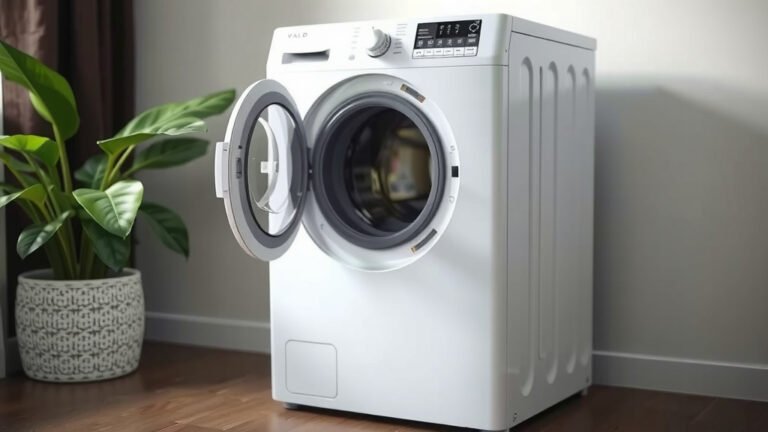
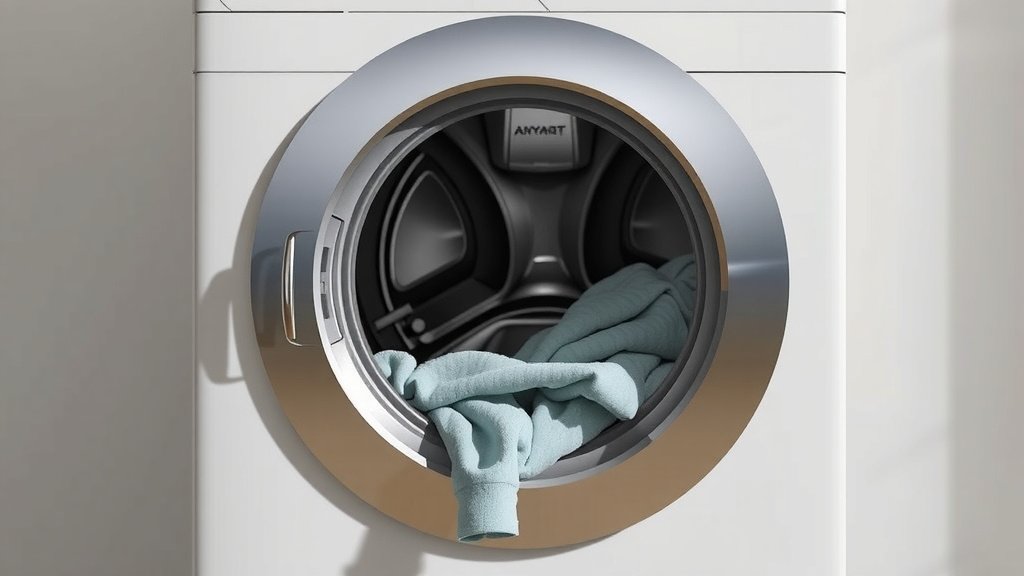
When wondering how much clothes to put in a front load washer, aim for about half to three-quarters full. This ensures your clothes have enough room to move freely, allowing detergent and water to circulate effectively for a proper clean without overloading the machine.
Overloading can lead to dingy clothes and potential machine damage. Underloading, while better than overfilling, uses more water and energy per load. Finding that sweet spot is key for efficient and effective laundry cycles.
- Don’t pack your washer too tightly.
- Aim for about 1/2 to 3/4 full.
- Allow clothes to tumble freely.
- Too much or too little can cause problems.
Let’s walk through exactly how to get that perfect load size for your front load washer.
Loading Your Front Load Washer Correctly
Getting the load size right in your front load washer is surprisingly important. It impacts how clean your clothes get and the life of your machine. So, how much laundry should you actually put in?
Generally, you want to fill your front load washer about **half to three-quarters full**. Think of it like a comfy game of Tetris, not a packed moving truck. Your clothes need space to tumble and move freely. This allows water and detergent to reach every surface.
Why Space Matters: The Science of Clean Clothes
Front load washers rely on tumbling action to clean. Clothes are lifted and dropped into the water. If your washer is too full, this tumbling action is severely limited. Clothes just get pushed around without much movement. This means dirt and detergent won’t get worked out properly.
Research shows that adequate space allows for **better water circulation**. This means the detergent can dissolve completely and spread evenly. It also helps rinse out the soap more effectively. A properly rinsed load is key to preventing that stiff, soapy feeling on your clothes.
The Dangers of Overloading Your Washer
Packing your front load washer too full is a common mistake. It might seem like you’re saving time or water by doing fewer loads. But this practice can lead to a host of problems. Your clothes might not come out as clean as you’d hope. You could also end up with dingy whites or clothes that still smell a bit off.
Beyond less-than-perfect cleaning, overloading puts a strain on your machine. The motor has to work harder to move the heavy, packed drum. This can lead to premature wear and tear. Think of it like trying to run a marathon with a giant backpack – it’s just not sustainable. Many appliance repair specialists caution against overloading as a primary cause of front loader issues (Appliance Repair Association).
The Problem with Underloading: Less is Not Always More
While overloading is bad, underloading isn’t ideal either. If you only put a few items in your large capacity washer, you’re essentially wasting resources. The machine still uses a significant amount of water and energy. This translates to higher utility bills and a bigger environmental footprint.
Many washing machine manufacturers suggest running loads that are reasonably full. This ensures the machine operates efficiently. It balances the amount of water used with the amount of laundry being cleaned. It’s about finding that happy medium.
How to Visually Gauge the Right Load Size
So, how do you know if you’ve hit that sweet spot? It’s mostly about visual cues. When you look into the drum of your front load washer, imagine a clock face.
The Half-Full Rule: A Good Starting Point
For most loads, aiming for the drum to be about **half full** is a great starting point. You should easily be able to see the top of the load. There should be a clear space between the clothes and the top of the drum. This gives your clothes room to move and expand.
The Three-Quarters Full Guideline: Maximum Capacity
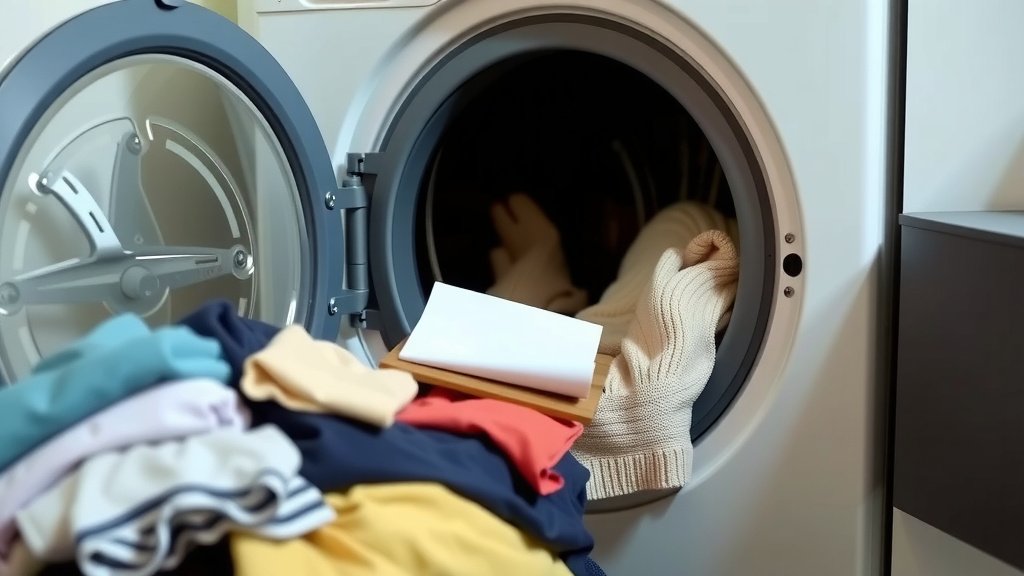
You can go a bit fuller, but don’t exceed **three-quarters full**. At this point, the clothes should fill the drum but still have some space at the top. You should be able to reach into the drum and easily move the clothes around. If you have to push or force the clothes down to close the door, it’s too full.
The “Hand-Width” Test
A simple trick is the hand-width test. After loading your clothes, try to slide your hand vertically between the load and the top of the drum. If you can easily fit your whole hand (about 4 inches) with room to spare, you might be able to add a few more items. If you can barely fit your fingertips, it’s likely too full.
The Fluffy Item Indicator
Think about the items themselves. If you’re washing bulky items like towels or blankets, you’ll need much more space. These items absorb water and expand. For these types of loads, aim for closer to the half-full mark. Lighter items like t-shirts and socks can fill the drum a bit more.
Considering Different Fabric Types and Load Sizes
Not all loads are created equal. The type of fabric and the size of the items matter. Mixing different fabric types can sometimes be tricky. However, the principle of giving clothes room to tumble remains the same.
For a typical mixed load of everyday clothing, the half to three-quarters rule works well. If you’re washing a load of delicate items, you might want to err on the side of caution and fill it less. This is to prevent snagging or excessive friction.
A Quick Checklist for Perfect Load Sizes
Here’s a simple way to remember how much to load:
- Look into the empty drum.
- Add clothes loosely.
- Stop when the drum is about half to three-quarters full.
- Ensure clothes can move freely.
- If you have to push clothes down, remove some.
- When in doubt, slightly underload.
| Load Type | Ideal Fill Level | Notes |
|---|---|---|
| Everyday Mixed Loads | 1/2 to 3/4 full | Allow items to tumble freely. |
| Bulky Items (Towels, Blankets) | 1/2 full | These items expand significantly. |
| Delicates | 1/3 to 1/2 full | Less friction prevents damage. |
| Light Items (Socks, Underwear) | 3/4 full | Can fill the drum more, but still needs space. |
Conclusion
You’ve learned that the sweet spot for your front load washer is typically half to three-quarters full. This allows your clothes enough room to tumble freely, ensuring a thorough clean and preventing strain on your machine. Remember the hand-width test and the fluffy item indicator to gauge your load size.
Avoid the pitfalls of both overloading and underloading. By following these visual cues and guidelines, you’ll achieve cleaner laundry and extend the life of your washing machine. Your next step is to apply these simple visual checks the next time you do laundry!
Frequently Asked Questions
Can I just fill my front load washer completely full?
No, you should not fill your front load washer completely full. Overloading prevents clothes from tumbling freely, which hinders effective cleaning and can damage your machine. Aim for half to three-quarters full to allow adequate space for water and detergent circulation.
What happens if I always underload my washing machine?
Consistently underloading your washing machine means you’re using more water and energy than necessary for the amount of laundry you’re washing. This is inefficient and can lead to higher utility bills and a larger environmental impact.
How can I tell if my load is too heavy for my front loader?
If you have to push down clothes to close the door, your washer is likely too full. You can also use the “hand-width” test: if you can barely fit your fingertips between the clothes and the top of the drum, it’s too packed.
Does the type of clothing affect how much I can wash?
Yes, the type of clothing does matter. Bulky items like towels and blankets absorb more water and expand, so you should fill the washer only about half full. Lighter items like t-shirts and socks can fill the drum a bit more, closer to three-quarters full.
Is it okay to mix different types of clothes in one load?
You can mix different types of clothes, but always prioritize having enough space for them to move. The key principle of allowing clothes to tumble freely remains the same regardless of fabric type. If washing delicates, it’s often best to use a smaller load size.
![7 Best Compact Washer And Dryer Set [In 2026]](https://homeunderstandable.com/wp-content/uploads/2026/08/7-best-compact-washer-and-dryer-set-in-2026-featured-768x432.jpg)

![7 Best Washer And Dryer Pair [In 2026]](https://homeunderstandable.com/wp-content/uploads/2026/09/7-best-washer-and-dryer-pair-in-2026-featured-768x432.jpg)
![7 Best Top Load Washing Machine Brands [In 2026]](https://homeunderstandable.com/wp-content/uploads/2026/09/7-best-top-load-washing-machine-brands-in-2026-featured-768x432.jpg)
![7 Washer And Dryer Set Best Rated [In 2026]](https://homeunderstandable.com/wp-content/uploads/2026/09/7-washer-and-dryer-set-best-rated-in-2026-featured-768x432.jpg)