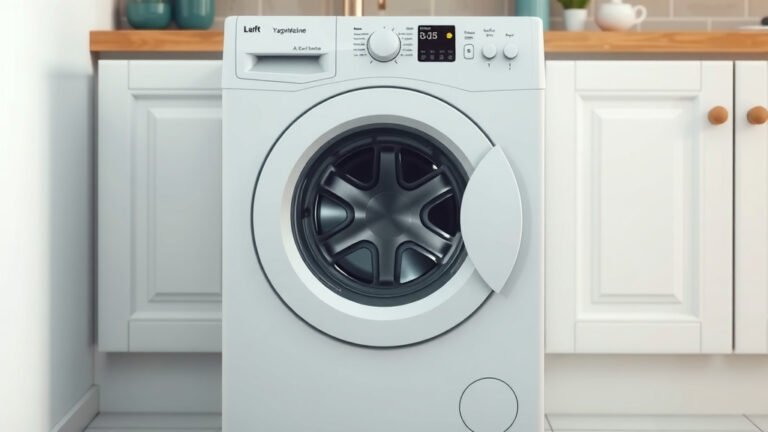
Top Load Washer Weight: What to Expect
So, how much does a top load washer weigh? You’re probably wondering because you need to move it. Most top load washing machines weigh between 150 and 250 pounds. This weight can vary based on size and features, so always check the specific model’s specs.
When buying a new washer or moving an old one, its weight is a big factor. Heavier machines often mean sturdier construction. But they also require more muscle or professional help to move. Consider that a compact model will likely be lighter than a high-capacity one.
- Top load washers typically weigh 150-250 lbs.
- Weight depends on the washer’s size and features.
- Heavier models often have more robust builds.
- Moving requires careful planning and potentially help.
We’ve gathered the details to help you understand the weight of different top load washers. Let’s break down what you can expect.
Understanding Your Top Load Washer’s Weight
So, you’re thinking about moving your top load washer, or maybe you’re just curious about what’s inside that sturdy appliance. Knowing the weight of your top load washer is pretty important, especially if you’re planning a move or need to figure out if you can handle it yourself. Most top load washers tip the scales somewhere between 150 and 250 pounds. That’s a good chunk of metal and plastic!
This weight isn’t just for show. It often speaks to the quality of the build. Heavier washers tend to have more robust frames and components, which can mean a longer lifespan and less vibration during cycles. Think of it like a well-built piece of furniture – it has a certain heft that suggests durability.
Factors Influencing Washer Weight
What makes one washer heavier than another? Several things play a role. The size of the drum is a big one. Larger capacity washers need a stronger frame to support the extra weight of laundry and water, so they naturally weigh more. Features also add up. More advanced settings, smart technology, and even just a fancier control panel can add a few extra pounds.
Capacity: Bigger Loads, Bigger Weight
When we talk about capacity, we’re usually referring to the drum size. Standard top load washers often range from 3.5 to 5.0 cubic feet. A smaller, 3.5 cubic foot model might be on the lighter end, perhaps around 150 pounds. If you have a large family and opted for a 5.0 cubic foot or even larger model, you’re likely looking at the higher end of the weight spectrum, closer to 200-250 pounds.
It’s like comparing a small car to a large SUV. The SUV can carry more and has a more substantial frame, thus it’s heavier. Your washer works the same way. A bigger drum requires a beefier support system to handle the demands of those larger washes.
Features and Technology Add-Ons
Modern washers are packed with technology. Features like steam cycles, internal water heaters, advanced soil sensors, and Wi-Fi connectivity all require additional components. These parts, while making your laundry life easier, also contribute to the overall weight. A basic, no-frills model will almost always be lighter than a feature-rich one.
We found that even seemingly small additions can make a difference. For instance, a built-in water heater adds significant weight compared to a model that relies solely on your home’s hot water supply. So, if you’re eyeing a washer with all the bells and whistles, expect it to be a heavier lift.
Typical Weight Ranges by Type
While the 150-250 pound range covers most top loaders, there are slight variations based on design. Let’s break down what you might expect.
Standard Top Loaders
These are the workhorses you see most often. They generally fall within that 150-250 pound range we’ve discussed. They offer a good balance of capacity and performance for the average household. Expect a standard model to be around 170 to 220 pounds.
High-Efficiency (HE) Top Loaders
HE models are designed to use less water and energy. While some might assume they’d be lighter, they often contain more sophisticated components to achieve this efficiency. This can sometimes mean they land on the heavier side, often 180 to 250 pounds. They might also have deeper tubs or more complex water circulation systems.
Compact or Apartment-Sized Top Loaders
These are built for smaller spaces. They have smaller capacities, usually under 3.0 cubic feet. Because of their reduced size and simpler feature sets, they are typically the lightest among top loaders. You might find these weighing between 120 to 180 pounds.
If you’re living in an apartment or have limited space, a compact model is a great choice. And the good news is, it’ll likely be more manageable to move. We found that the trade-off for a smaller footprint is often a lighter machine.
Comparing Top Loaders to Front Loaders
It’s helpful to know how top loaders stack up against their front-loading cousins. Front load washers typically have a more robust, heavier frame because they need to withstand the faster spin speeds and the drum being horizontal. Many experts say front loaders can weigh anywhere from 200 to 300 pounds or more. So, while your top loader is hefty, it’s often lighter than a comparable front loader.
This difference in weight is mainly due to the different mechanics and construction needed for each type. Front loaders often have a heavier base and a more reinforced drum structure to handle the tumbling action and high G-forces during spin cycles. This makes them less likely to “walk” across the floor but also much harder to move.

Moving Your Top Load Washer: Weight Considerations
Alright, let’s get practical. You know roughly how much it weighs, so what does that mean for moving day? A washer weighing 150-250 pounds is no joke. Trying to move it by yourself is generally a bad idea and could lead to injury or damage to your floors or the machine itself.
When to Call the Professionals
If you’re not used to heavy lifting or don’t have a team of strong friends, it’s best to hire professionals. Moving companies and appliance installers have the right equipment, like dollies and straps, and the experience to move heavy items safely. This is especially true if you have stairs involved. We found that professional movers add a small cost but can save you a lot of stress and potential injury.
DIY Moving Tips (If You Must!)
If you absolutely have to move it yourself, remember safety first. You’ll need at least two strong people. Use a heavy-duty appliance dolly and secure the washer tightly to it. Always go slowly and communicate with your moving partner. Ensure you have a clear path free of obstacles. Consider using moving blankets to protect your floors and walls.
A checklist can help ensure you don’t forget anything critical:
- Confirm washer is unplugged and water hoses are disconnected and drained.
- Empty the drum completely.
- Secure the lid and doors with tape or straps.
- Gather all necessary moving equipment (dolly, straps, blankets).
- Recruit at least one strong helper.
- Plan your route and clear any obstacles.
Weight and Washer Durability
Is there a connection between how much a washer weighs and how long it lasts? Generally, yes. A heavier appliance often indicates a more substantial frame and motor. These components are built to last. Think of older appliances; many of them were built like tanks and weighed a ton because they used solid metal parts. Modern washers balance weight with newer materials and technologies, but a heavier machine is often a sign of good construction.
For example, the suspension system in a washer helps absorb vibrations. A heavier machine with a robust frame and a well-designed suspension can often handle the stress of washing and spinning for longer periods. Many sources suggest that a machine that feels solid and doesn’t shake excessively during high spin cycles is a good indicator of durability (Cleveland Clinic).
When you’re choosing a new washer, don’t shy away from a model that has a bit more heft. It might just be built to withstand years of laundry cycles. We found that looking at user reviews often provides clues about a washer’s long-term reliability, and weight can be an indirect indicator of build quality.
Conclusion
You’ve learned that your top load washer’s weight, typically between 150 and 250 pounds, is a good indicator of its build quality. Larger capacity and advanced features naturally increase this heft. Remember, this weight isn’t just a number; it often points to durability and stability. When it comes time to move your machine, always prioritize safety. If you’re unsure about handling it yourself, don’t hesitate to call professionals. Now that you’re informed, you can make your next move with confidence!
Frequently Asked Questions
How can I find the exact weight of my specific top load washer model?
The best way to find your washer’s exact weight is to check the owner’s manual or the manufacturer’s website. You can usually find this information listed in the specifications section of the product page for your model.
Will a heavier top load washer be more durable than a lighter one?
Generally, yes. A heavier appliance often means it has a more robust frame and sturdier components. This suggests it can better withstand the vibrations and stresses of regular use over time.
Is it safe to assume all compact top load washers are light enough to move myself?
While compact models are typically lighter than full-sized ones, they can still weigh over 100 pounds. It’s always best to have at least two people and an appliance dolly, even for smaller units.
Do smart features on a top load washer add noticeable weight?
Yes, smart features like Wi-Fi connectivity and advanced sensors require additional electronic components. These parts contribute to the overall weight of the washing machine.
How much more does a front load washer typically weigh compared to a top load washer?
Front load washers are generally heavier than top load washers. They often weigh between 200 to 300 pounds, sometimes more, due to their more robust construction needed for higher spin speeds.
![7 Best Wash Machines [In 2026]](https://homeunderstandable.com/wp-content/uploads/2026/09/7-best-wash-machines-in-2026-featured-768x432.jpg)

![7 Best Stackable Washer/Dryer [In 2026]](https://homeunderstandable.com/wp-content/uploads/2026/08/7-best-stackable-washer-dryer-in-2026-featured-768x432.jpg)