

How to Clean Your Front Loader Washing Machine Effectively
The easiest way to clean your front loader is by running an empty hot water cycle with a cup of white vinegar or a specialized washing machine cleaner. This simple process helps dissolve soap scum and kill odor-causing mold and mildew. Keeping your front loader clean ensures your clothes come out smelling fresh and your machine runs efficiently for years to come.
Over time, moisture and detergent residue can build up inside your front loader. This buildup can lead to unpleasant smells and even affect your laundry’s cleanliness. Regular cleaning is key to preventing these issues and maintaining your appliance’s performance. Many homeowners find a monthly cleaning routine works best for keeping their machines odor-free and sparkling.
- Clean the drum with hot water and vinegar.
- Wipe down the door seal regularly.
- Don’t forget to clean the detergent dispenser.
- Run a cleaning cycle monthly.
Ready to get your front loader looking and smelling its best? Let’s walk through exactly how to do it step by step.
Keeping Your Front Loader Sparkling and Odor-Free
Your front-loading washing machine is a workhorse. It gets your clothes clean. But over time, it can develop its own little problems. Moisture can get trapped. Detergent can build up. This can lead to musty smells. It can even make your clean laundry smell… well, not so clean. Don’t worry, though! A little regular cleaning goes a long way.
Your Monthly Front Loader Refresh: A Simple Plan
Think of this as a spa day for your washing machine. Most experts recommend a monthly cleaning. This keeps things fresh. It also helps your machine run smoothly. We’ll guide you through each step. It’s easier than you think!
Step 1: The Deep Drum Cleanse
This is where the magic happens. We’re going to tackle that internal gunk. This involves running an empty hot water cycle. This cycle is designed to flush out residues. You’ll need a cleaning agent for this. White vinegar is a fantastic, natural option. You can also buy specialized washing machine cleaners. Both work wonders.
Using White Vinegar for a Natural Clean
Vinegar is acidic. This means it’s great at breaking down mineral deposits. It also helps kill mold and mildew. You’ll need about one cup of plain white vinegar. Pour it directly into the detergent dispenser drawer. Make sure it gets into the main wash compartment. Then, select the hottest water setting on your machine. Run a full wash cycle. This should be a long, hot cycle. It allows the vinegar to work its magic throughout the drum.
Or, Opt for a Commercial Washing Machine Cleaner
If you prefer a dedicated product, that’s fine too. Many effective washing machine cleaners are available. Always follow the instructions on the product’s packaging. Some cleaners come in tablet form. Others are liquids. They are formulated to remove buildup and odors. Use the recommended amount. Run your machine on its hottest cycle. Again, letting the cleaner circulate is key.
Step 2: Don’t Forget the Door Seal (Gasket)
This is a prime spot for gunk and grime. Your front loader’s rubber door seal traps moisture. It can also catch lint and hair. This creates a breeding ground for mold. You’ll want to clean this by hand. It requires a bit of gentle attention. A damp cloth is usually enough.
Wiping Away Grime
First, pull back the rubber seal gently. You’ll see a collection of whatever the wash cycle picked up. Use a clean cloth dipped in warm water. Wipe away any visible debris. You might need to use your fingers to get into the folds. If you see any stubborn mold or mildew spots, a bit of diluted vinegar can help. Mix equal parts water and vinegar. Dip your cloth in this solution. Gently scrub the affected areas. Be sure to wipe it down thoroughly. Afterward, dry the seal with a clean, dry cloth. Leaving it wet can invite more mold.
Step 3: The Detergent Dispenser Drawer Needs Love Too
This little drawer can get surprisingly dirty. Leftover detergent and fabric softener can harden. They can create a sticky mess. This can even block the flow of water. Cleaning this is usually quite simple.
Removing and Cleaning the Drawer
Many detergent drawers can be removed completely. Check your machine’s manual if you’re unsure. Once removed, take it to your sink. Rinse it thoroughly with warm water. Use an old toothbrush or a small brush to scrub away any hardened residue. Pay attention to the small compartments. If there’s significant buildup, a soak in warm, soapy water can help. Rinse it again. Dry it completely before reinserting it into the machine. A clean dispenser ensures your detergent works properly.
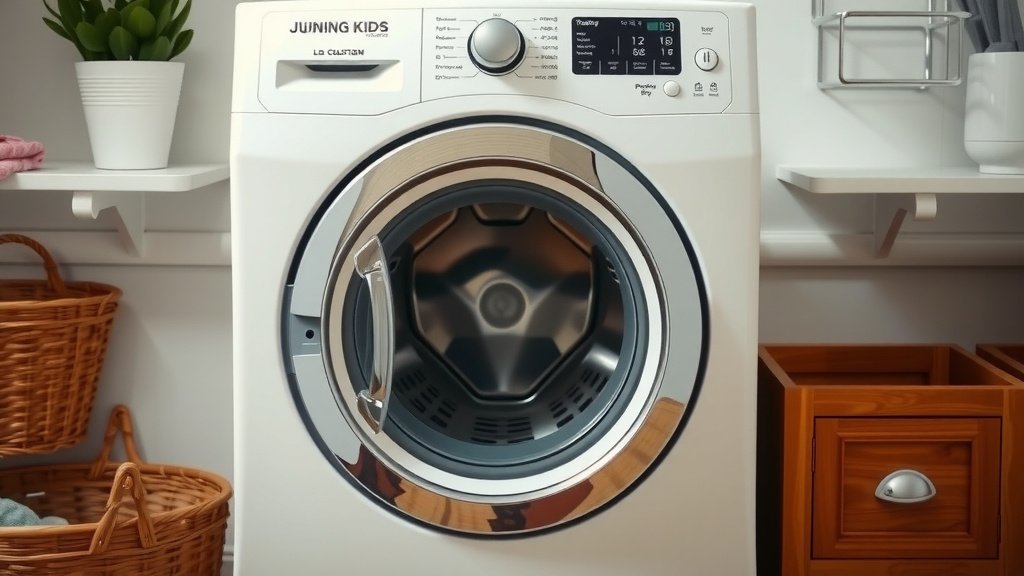
Step 4: Wiping Down the Exterior
While you’re at it, give the outside a quick clean. This is mostly for aesthetics. But it also prevents dirt from migrating inside. Use a damp cloth. You can use a mild all-purpose cleaner. Wipe down the control panel. Clean the door handle. Don’t forget the sides and top. A shiny machine makes doing laundry feel a little better, right?
Step 5: Air it Out!
This is perhaps the easiest step. And it’s incredibly effective for preventing future issues. After each load of laundry, leave the washing machine door slightly ajar. Also, pull out the detergent drawer a little. This allows air to circulate. It helps the drum and seals dry out completely. This significantly reduces the chances of mold and mildew forming. Many homeowners find this simple habit prevents most odor problems.
Quick Checklist for a Fresh Front Loader
- Run an empty hot cycle with vinegar or cleaner monthly.
- Wipe down the door seal after each wash.
- Clean the detergent dispenser drawer regularly.
- Leave the door and drawer slightly open between loads.
- Wipe down the exterior to keep it looking nice.
Troubleshooting Common Front Loader Issues
Sometimes, despite your best efforts, a smell might linger. Or perhaps you notice a slight performance issue. What then? Many common problems have simple solutions.
Persistent Odors
If smells persist after a deep clean, you might have a deeper issue. Check the drain pump filter. This is often located behind a small access panel at the bottom of the machine. Lint and small objects can get trapped there. Consult your manual for specific instructions. Cleaning this filter can resolve many odor problems (Cleveland Clinic).
Water Not Draining
This could also be a clogged drain pump filter. Another possibility is a kinked or blocked drain hose. Ensure the hose isn’t bent sharply. Check that it’s not pushed too far into the standpipe. These are common issues that can often be fixed with a little inspection.
Conclusion
You’ve now learned how to give your front loader the spa treatment it deserves! Regular cleaning, especially that monthly drum cleanse with vinegar or a cleaner, is your best defense against odors. Don’t forget the often-overlooked door seal and dispenser drawer – they’re key to a truly fresh machine. By incorporating a quick wipe-down and leaving the door ajar after each use, you’ll keep your machine running efficiently and your laundry smelling wonderful. Ready to tackle that cleaning session? Start with the drum cleanse this weekend!
Frequently Asked Questions
How often should I clean my front loader?
A monthly deep clean is recommended for most front-loading washing machines. This helps prevent the buildup of detergent residue, mold, and mildew that can cause odors and affect performance. You can also perform quick wipes of the door seal and exterior more often, even after each wash.
Can I use bleach to clean my front loader?
While bleach can kill mold and mildew, it’s generally not recommended for regular front loader cleaning. Harsh chemicals like bleach can potentially damage the rubber seals over time. White vinegar or specialized washing machine cleaners are safer and effective alternatives for most cleaning needs.
What if my washing machine still smells after cleaning?
If odors persist after a thorough cleaning, check the drain pump filter. This small component, usually found behind a panel at the bottom of the machine, can trap lint and debris. Consult your washing machine manual for instructions on how to safely access and clean this filter. It can often resolve persistent smells.
Is it okay to leave detergent in the dispenser?
It’s best to remove any remaining detergent or fabric softener from the dispenser drawer after cleaning. Leaving hardened residue can obstruct water flow. Rinse the drawer thoroughly and ensure it’s completely dry before reinserting it into the machine to maintain proper detergent distribution.
Why is my front loader leaving white residue on clothes?
White residue on clothes can be a sign of too much detergent or fabric softener being used, or mineral buildup within the machine. Ensure you’re using the correct amount of HE (High Efficiency) detergent. Running a hot water cycle with vinegar can help clear out internal buildup that might be contributing to this issue.
![7 Best Offer Washing Machine [In 2026]](https://homeunderstandable.com/wp-content/uploads/2026/08/7-best-offer-washing-machine-in-2026-featured-768x432.jpg)
![7 Best Deals On Front Load Washer And Dryer [In 2026]](https://homeunderstandable.com/wp-content/uploads/2026/09/7-best-deals-on-front-load-washer-and-dryer-in-2026-featured-768x432.jpg)