
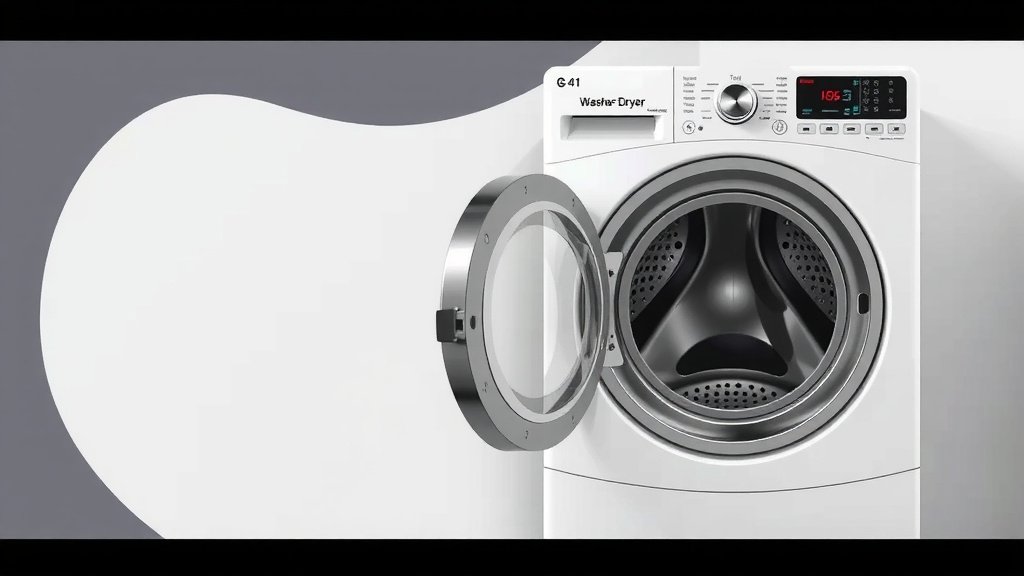
Washer Dryer Combo Cost: What to Expect in 2026
The cost of a washer and dryer combo typically ranges from $1,500 to $3,000. This price reflects a single unit that washes and dries your clothes. You can find more affordable options for under $1,000, and high-end models can go up to $4,000 or more.
When considering a washer and dryer combo, remember that price is tied to features and efficiency. Smaller, basic models are budget-friendly. Larger, feature-rich units with smart technology and energy-saving functions will cost more. Think about your laundry needs and space.
- Washer dryer combo prices generally fall between $1,500 and $3,000.
- Basic models start under $1,000.
- High-end units can reach $4,000+.
- Cost depends on size, features, and energy efficiency.
- Consider your specific laundry habits and budget.
We’ve researched the market to break down exactly what goes into the cost of these convenient laundry machines for you.
Understanding the Price Tag of Washer Dryer Combos
So, you’re eyeing a washer dryer combo? Smart move for saving space! But what’s the damage to your wallet? We’ve researched the market to break down exactly what goes into the cost of these convenient laundry machines for you. Generally, you can expect to spend between $1,500 and $3,000 for a good quality unit.
Factors That Influence Your Combo’s Cost
The price isn’t just a random number. Several key factors play a big role in where a combo falls on the price spectrum. Think of it like buying a car; a basic sedan costs less than a fully loaded SUV, right? The same applies here.
Capacity: Bigger Loads, Bigger Bills
One of the first things you’ll notice is the capacity. Combos come in various sizes, measured by how much laundry they can hold. Smaller units are great for apartments or singles. They usually come with a lower price tag. Larger families might need a bigger capacity. These models often cost more upfront.
For example, a compact combo with a 2.0 cu. ft. capacity might be on the lower end. A larger one, perhaps 4.0 cu. ft. or more, will naturally cost more. We found that choosing the right size for your household can prevent you from overpaying for capacity you don’t need.
Features and Technology: The “Smart” Factor
This is where things can really add up. Basic combos wash and dry. More advanced models offer a whole laundry suite of features. Think steam cycles to refresh clothes or sanitize. Some have built-in water heaters for better cleaning. Many top-tier units boast smart technology.
What does “smart” mean here? It means Wi-Fi connectivity. You can control your laundry from your phone. Receive alerts when a cycle is done. Some even diagnose issues remotely. These bells and whistles add to the cost, but can offer real convenience. Many experts suggest that smart features are becoming more common, even in mid-range models.
Specialized Wash and Dry Cycles
Beyond the basics, some combos offer specialized cycles. You might find options for delicates, heavy-duty items, or even athletic wear. Some even have allergen cycles, which are great if you have sensitivities. These targeted cycles use specific temperature and motion settings to give your clothes the best care. They often increase the overall price.
Energy Efficiency Ratings: Saving Money Over Time
Appliances have energy efficiency ratings. Look for the ENERGY STAR label. These models are designed to use less electricity and water. While they might cost more initially, they can save you a significant amount on your utility bills over the appliance’s lifespan. We found that the long-term savings can often outweigh the higher upfront cost for energy-efficient models.
The upfront price difference between an ENERGY STAR certified combo and a standard one can range from $100 to $300. However, the cumulative savings on your water and electricity bills can easily reach several hundred dollars within a few years. This is a key point to consider for your budget.
Brand Reputation and Reliability
Just like with any product, brand name matters. Well-known brands often carry a higher price. This is partly due to their reputation for quality and customer service. Established brands also tend to invest more in research and development. This often leads to more advanced features and better reliability. Many consumer reports suggest that investing in a reputable brand can lead to fewer repair headaches down the line.
Price Ranges: What to Expect for Your Money
Let’s break down the typical price points. This will give you a clearer picture of what your budget might need to accommodate.
Budget-Friendly Options (Under $1,000)
Can you find a combo for under $1,000? Yes, but with limitations. These are typically smaller capacity units. They will likely have fewer features. Think basic wash and dry cycles. They are perfect for small spaces like RVs or tiny apartments. You might sacrifice some advanced features like steam or smart connectivity. However, they still offer the convenience of an all-in-one solution.
Mid-Range Combos ($1,000 – $2,500)
This is where most shoppers find their sweet spot. In this range, you’ll find a good balance of features, capacity, and efficiency. Many models offer In this range, you’ll find a good balance of features, capacity, and efficiency with a mid-size washer and dryer.larger capacities. You’ll also see more specialized wash cycles and better energy efficiency. Some might even include basic smart features. This segment offers a wide variety of choices for different household needs.
Premium and High-End Models ($2,500+)
Ready to splurge? High-end combos offer the latest in laundry technology. Expect large capacities, advanced steam functions, and robust smart capabilities. You’ll find premium materials and sleek designs. These units often have the highest energy efficiency ratings. They are built for performance and durability. If you want the absolute best and your budget allows, this is where you’ll look.
A Quick Cost Comparison Table
Here’s a simple way to visualize the price ranges and what they typically offer:
| Price Range | Typical Capacity | Key Features | Best For |
|---|---|---|---|
| Under $1,000 | Compact (Under 2.5 cu. ft.) | Basic wash & dry, limited cycles | Singles, small apartments, RVs |
| $1,000 – $2,500 | Medium to Large (2.5 – 4.0+ cu. ft.) | Multiple cycles, good efficiency, some smart features | Families, moderate laundry needs |
| $2,500+ | Large (4.0 cu. ft. and up) | Advanced cycles, steam, high efficiency, premium smart tech | Large families, tech enthusiasts, performance seekers |
Don’t Forget Installation and Potential Extras!
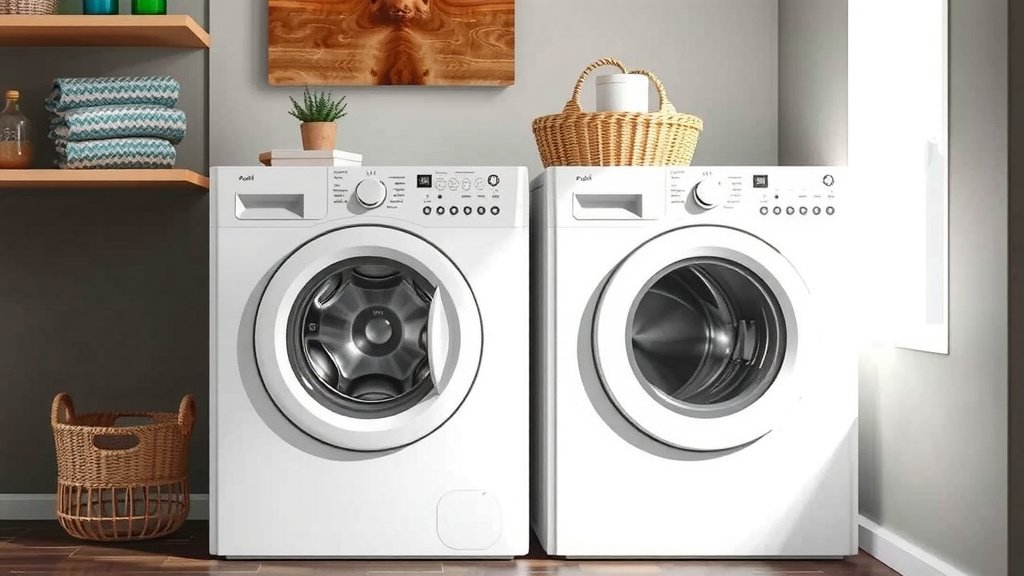
The price tag on the appliance itself is only part of the story. You also need to consider installation costs. Many combos require specific water hookups and electrical outlets. If your laundry area isn’t already set up, you might need a plumber or electrician. This can add a few hundred dollars to your total expense. Also, think about potential delivery fees or hauling away your old unit.
Making the Smart Choice for Your Home
Ultimately, the cost of a washer dryer combo is a personal decision. It depends on your budget, laundry habits, and desired features. Consider these points as you shop:
- Assess your typical laundry load size.
- Prioritize must-have features versus nice-to-haves.
- Factor in long-term energy savings.
- Research brand reliability and reviews.
- Don’t forget potential installation and delivery fees.
- Check for available rebates or sales.
By understanding these cost drivers, you can make an informed decision that fits your needs and your budget perfectly. You’ll find a unit that makes laundry day a little less of a chore.
Conclusion
You’ve learned that a washer and dryer combo is a smart investment for many homes. Prices generally range from $1,500 to $3,000, but can go lower or higher. Your final cost depends on factors like capacity, advanced features, and energy efficiency ratings. Consider your household size and laundry habits carefully. Think about long-term savings from energy-efficient models. Your next step is to assess your laundry needs and budget. Then, start researching specific models that fit your criteria. You’ll find a combo that makes laundry day much easier.
Frequently Asked Questions
Are washer dryer combos more expensive than separate units?
Typically, a good quality washer dryer combo will cost about the same or slightly more than buying a separate mid-range washer and dryer. The convenience of an all-in-one unit often justifies this price point for many consumers. You’re paying for the integrated technology and space-saving design.
What are the biggest hidden costs for a washer dryer combo?
Beyond the purchase price, be aware of potential installation fees if your hookups aren’t ready. Delivery charges can also apply. Ensure your existing plumbing and electrical setup can support the unit. Sometimes, you might need new hoses or adapters, adding a small extra cost.
Do cheaper washer dryer combos perform poorly?
Not necessarily. Budget-friendly combos, often under $1,000, usually have smaller capacities and fewer specialized cycles. They still perform the basic wash and dry functions effectively. If you have light laundry needs and limited space, a basic model can be a great value. You might just need to run smaller loads more often.
How much does energy efficiency impact the total cost?
ENERGY STAR certified combos can cost $100 to $300 more upfront. However, over the appliance’s lifespan, you can save hundreds on utility bills. We found that the long-term savings often outweigh the initial higher price. This makes them a wise financial choice for many households.
Are smart features worth the extra cost in a combo unit?
Smart features like Wi-Fi connectivity and app control add convenience, allowing you to monitor laundry remotely. Whether they’re “worth it” depends on your lifestyle and budget. If you appreciate technology and want the latest convenience, they can enhance your laundry experience. For others, basic models offer sufficient functionality without the added expense.
![7 Best Price On Stackable Washer Dryer [In 2026]](https://homeunderstandable.com/wp-content/uploads/2026/09/7-best-price-on-stackable-washer-dryer-in-2026-featured-768x432.jpg)
![7 Who Makes The Best Compact Washer And Dryer [In 2026]](https://homeunderstandable.com/wp-content/uploads/2026/08/7-who-makes-the-best-compact-washer-and-dryer-in-2026-featured-768x432.jpg)
![7 Best Ventless Stackable Washer Dryer [In 2026]](https://homeunderstandable.com/wp-content/uploads/2026/09/7-best-ventless-stackable-washer-dryer-in-2026-featured-768x432.jpg)