Average Front Load Washer Size Explained
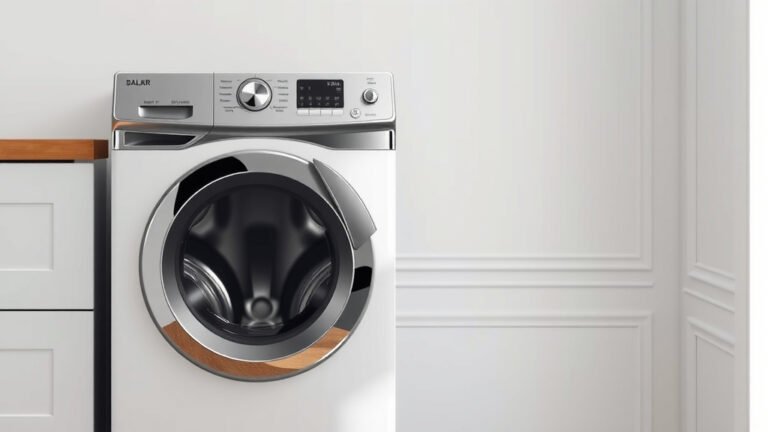
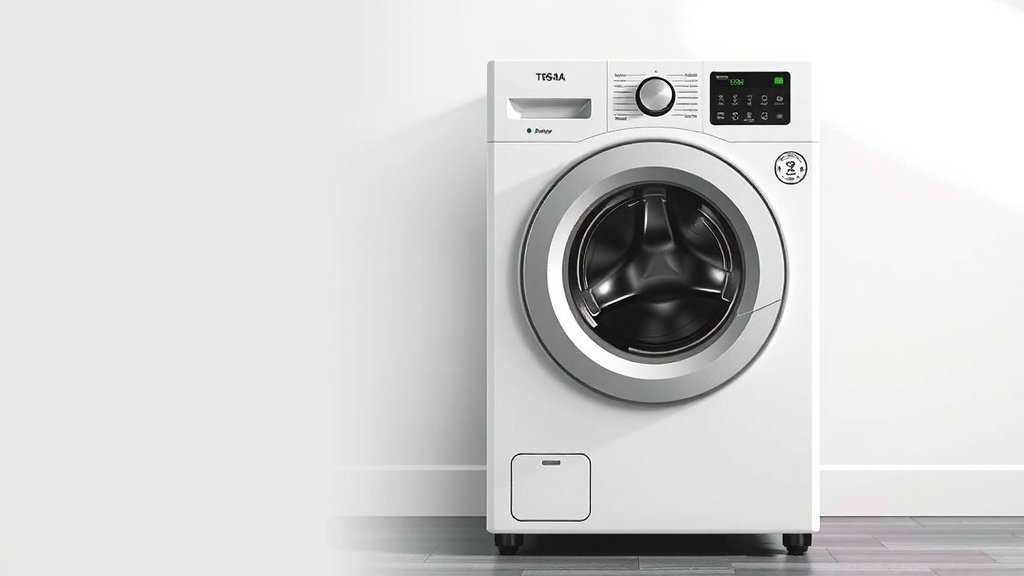
The average size of a front load washer typically falls between 2.5 and 4.0 cubic feet of drum capacity. This measurement tells you how much laundry you can fit inside. For most households, this size is plenty for everyday washing needs. We found that this range covers the needs of many different family sizes and laundry volumes.
When choosing a front load washer, understanding capacity is key to avoiding laundry day struggles. A larger capacity means fewer loads, saving you time and energy. We found that models often range from smaller, apartment-friendly sizes to larger ones for big families. Your specific needs will help guide you to the perfect fit for your home.
- The average front load washer capacity is 2.5 to 4.0 cubic feet.
- This capacity refers to the drum size, not the machine’s external dimensions.
- Larger capacities mean fewer loads and less time spent on laundry.
- Consider your household size and typical laundry volume.
Let’s dive into the specifics of front load washer sizes and what you should look for to make the best choice for your home.
Understanding Front Load Washer Drum Capacity
When you’re looking at front load washers, the size you’ll encounter most often refers to the drum’s capacity. This is measured in cubic feet. Think of it as how much space your clothes have to tumble freely. It’s not about the machine’s height or width, but the internal volume. We found that this measurement is your key indicator for how much laundry it can handle in one go.
You might see capacities ranging from small, compact units to extra-large ones. The “average” we mentioned earlier, between 2.5 and 4.0 cubic feet, is a great starting point. It covers a lot of ground for typical households. We found that this range balances efficiency with the ability to wash a good amount of clothes.
What Cubic Feet Really Means for Your Laundry Day
So, what does 3.0 cubic feet actually look like? Imagine fitting a standard load of laundry, like a week’s worth of clothes for one or two people, into the drum. A larger capacity, say 4.5 cubic feet, can handle more. This means you can wash bigger loads or bulky items like comforters. We found that choosing the right capacity can cut down your laundry time significantly.
Think about it: if you’re constantly running the washer, a larger drum can save you precious hours. On the flip side, if you live alone or with just one other person, a massive machine might be overkill. It could use more water and energy than you need. We found that matching capacity to your lifestyle is the smart move.
Typical Front Load Washer Dimensions: Beyond the Drum Size
While drum capacity tells you how much laundry fits inside, the physical dimensions of the washer are also important. You need to make sure it fits your laundry space! Most standard front load washers have similar external measurements. They are designed to fit under counters or stack with a dryer.
Standard External Dimensions
You’ll find that most front load washers stand around 39 to 41 inches tall. The width is usually close to 27 inches. And the depth, from the very front to the very back, is typically about 30 to 34 inches. This depth often includes the door and any hoses on the back.
We found that these dimensions are quite consistent across many brands and models. This makes it easier when you’re planning your laundry room layout. Always remember to measure your doorways and the path to your laundry area, too. You don’t want a new washer getting stuck in the hall!
Considering Stackable Washer-Dryer Pairs
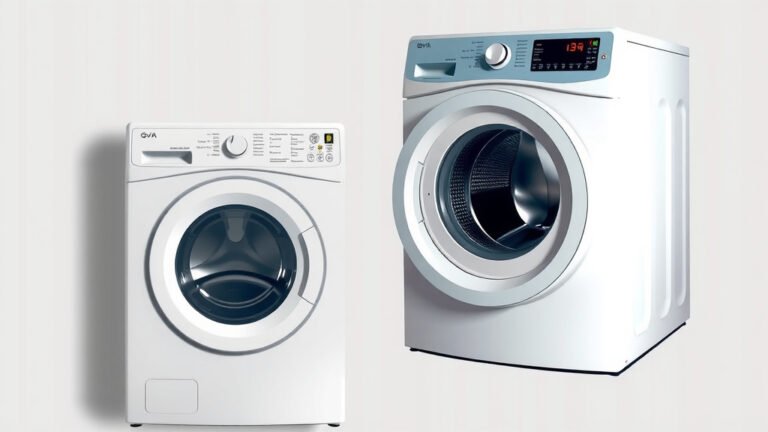
Many front load washers are designed to be stacked. This is a fantastic space-saving solution for smaller homes or apartments. When stacked, the washer sits on the bottom, and a matching dryer goes on top, connected with a special kit. This configuration uses the same floor footprint as a single machine.
The height of a stacked unit will be roughly double that of a single washer. It’s important to ensure you have enough vertical clearance, especially if you plan to use the controls on the top dryer. We found that for many people, this stacking option is a real lifesaver for maximizing their living space.
Compact vs. Full-Size Washers: A Size Comparison
It’s helpful to distinguish between the common “full-size” models and their more compact cousins. Full-size front loaders are what most people picture, with the capacities we’ve discussed.
Compact front load washers are smaller in both capacity and external dimensions. They often have capacities around 2.0 to 2.4 cubic feet. Their external width might be closer to 24 inches, making them ideal for tight spaces. We found that these are perfect for smaller apartments or for people who don’t generate a lot of laundry.
| Type | Capacity (Cubic Feet) | Approx. Width (Inches) | Approx. Height (Inches) | Approx. Depth (Inches) |
|---|---|---|---|---|
| Compact | 2.0 – 2.4 | ~24 | ~34 | ~25 |
| Standard/Full-Size | 2.5 – 4.0+ | ~27 | ~39-41 | ~30-34 |
As you can see, the differences aren’t massive, but they can be critical depending on your needs. We found that measuring your space carefully is the first step, no matter which size you lean towards.
Matching Washer Size to Your Household Needs
So, how do you choose the right size? It really comes down to your lifestyle and laundry habits. Think about how many people are in your home and how often you do laundry.
For Singles and Couples
If you’re living alone or with a partner, a washer with a capacity between 2.5 and 3.2 cubic feet is usually sufficient. You likely don’t need to wash huge loads regularly. We found that this size offers a good balance of efficiency and capacity for smaller households. It helps save on water and energy, too.
For Small Families (3-4 People)
Families with a few members might find that a washer in the 3.5 to 4.0 cubic feet range is ideal. This allows you to handle larger loads, like towels and bedding, more easily. You might be able to get away with doing fewer loads per week. We found that this capacity is a sweet spot for many families.
For Larger Families or High-Volume Laundry
If your household is on the larger side, or if you have active kids who generate a lot of dirty sports gear, consider a washer with a capacity of 4.0 cubic feet or more. Some extra-large models can go up to 5.0 cubic feet or even higher! This is for those who really need to maximize their laundry efficiency. We found that larger capacities can make a significant difference in reducing laundry days.
What About Bulky Items?
Even if you have a smaller household, you might still need a larger drum for items like king-size comforters, large blankets, or sleeping bags. These items take up a lot of space and need room to move freely to get clean and rinse properly. If you wash these items at home, a larger capacity is definitely something to consider. We found that a 4.0 cubic feet or larger drum is generally recommended for washing bulky items comfortably.
Quick Checklist for Choosing Your Washer Size
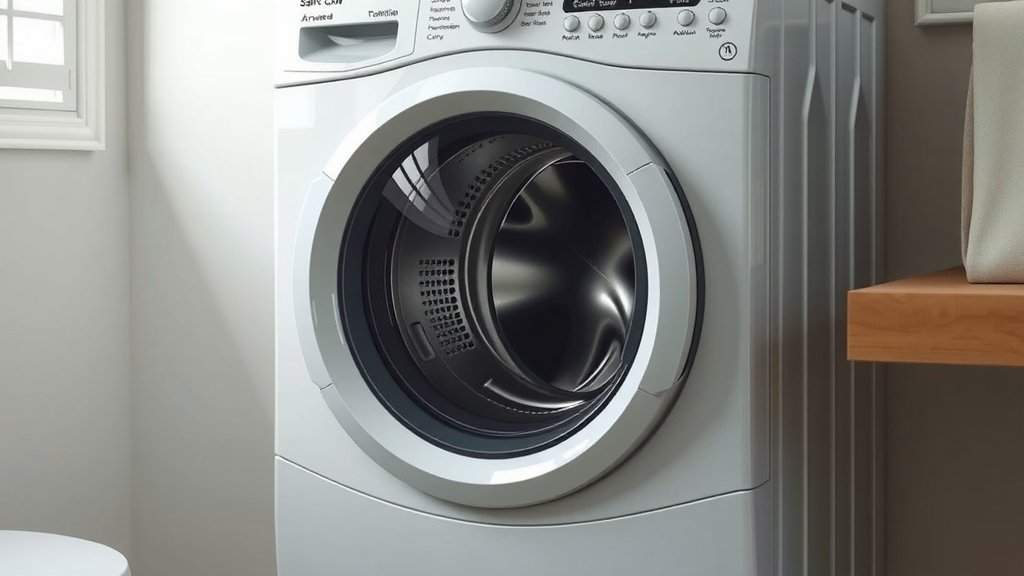
To help you make the right decision, here’s a quick rundown:
- Consider your household size.
- Think about how often you do laundry.
- Do you wash bulky items like comforters?
- Measure your laundry space carefully.
- Check doorway and hallway clearances.
- Factor in potential stacking needs.
By thinking through these points, you’ll be well on your way to finding a front load washer that fits your space and your life perfectly. We found that taking a moment to plan saves a lot of hassle down the road!
Conclusion
Choosing the right front load washer size means balancing your laundry needs with your available space. We’ve seen that the average drum capacity typically ranges from 2.5 to 4.0 cubic feet, which works for most households. Remember to also consider the external dimensions to ensure it fits your laundry room and pathways. By matching the capacity to your household size and laundry habits, you can ensure your new washer saves you time and effort. Your next step is to measure your space carefully and then compare models based on capacity and your specific needs.
Frequently Asked Questions
Will a front load washer fit in my small laundry closet?
Most standard front load washers are about 27 inches wide, but compact models are closer to 24 inches. Always measure your closet’s height, width, and depth, and don’t forget to check the clearance needed for the door to open fully. We found that measuring is the key to avoiding surprises.
How do I know if I need a large capacity washer?
If you have a family of four or more, frequently wash bulky items like blankets, or do laundry less than once a week, you’ll likely benefit from a larger capacity washer, often 4.0 cubic feet or more. For singles or couples, a 2.5 to 3.2 cubic feet model is often sufficient. We found that capacity needs vary greatly by household.
Are all front load washers stackable?
Many front load washers are designed to be stacked with a matching dryer using a special kit. However, not all models are stackable, and you’ll need to ensure you have adequate vertical space and that the units are compatible. Check the manufacturer’s specifications. We found that stacking is a great space-saver when planned correctly.
Does the external size matter if the drum capacity is large?
Yes, the external dimensions are very important for fitting the machine into your home and laundry space. While a large drum capacity means you can wash more clothes, you still need to ensure the physical unit can maneuver through doorways and fit in its designated spot. We found that both capacity and external size are critical.
What’s the difference between compact and standard front load washer sizes?
Compact front load washers are smaller in both external dimensions (around 24 inches wide) and drum capacity (typically 2.0-2.4 cubic feet), making them ideal for very tight spaces. Standard or full-size models are wider (around 27 inches) and offer larger capacities (2.5-4.0+ cubic feet), suitable for most homes. We found these distinctions are crucial for matching your space and needs.
![7 Best Washer And Dryer For Condos [In 2026]](https://homeunderstandable.com/wp-content/uploads/2026/08/7-best-washer-and-dryer-for-condos-in-2026-featured-768x432.jpg)