
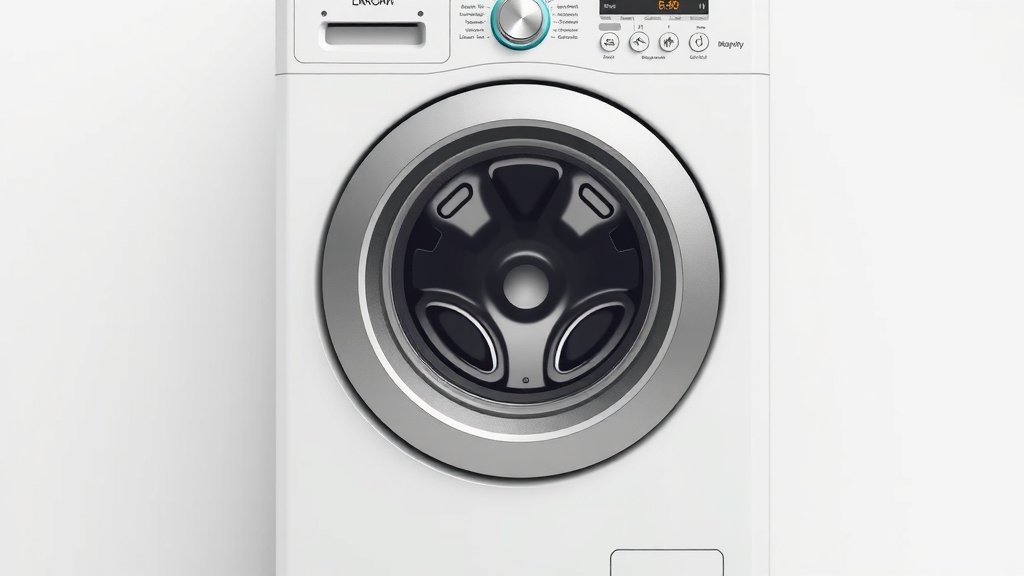
Front Loader Washing Machine Price Guide
You’re wondering about the cost of a front loader washing machine. We found that prices generally range from $800 to $1,500. However, some basic models can be found for under $700, while high-end ones with advanced features can go up to $2,000 or more.
The initial price isn’t the whole story, though. Front loaders are known for being energy and water efficient. This means you can save money on your utility bills over the machine’s lifespan. Plus, they tend to be gentler on your clothes, which can also save you money in the long run.
TL;DR:
- Front loader prices typically start around $800.
- Expect to pay up to $1,500 for a good mid-range model.
- Premium machines can cost $2,000+.
- They save you money on utilities.
- They are gentler on your clothes.
Ready to dive deeper? Below, we’ll break down what factors influence these prices and help you figure out the best fit for your budget and laundry needs.
So, you’re looking to buy a front loader and trying to get a handle on the cost. It’s a smart move to understand the investment you’re making. Let’s break down what influences the price tag on these popular machines.
What’s the Price Range for a Front Loader Washer?
We found that most front loader washing machines fall somewhere between $800 and $1,500. This is a pretty solid range for a good, reliable machine. Basic models can be found for less, maybe around $700 if you catch a good sale. On the flip side, if you’re dreaming of all the bells and whistles, you could be looking at $2,000 or even more.
Think of it like buying a car. You can get a dependable sedan for a reasonable price, or you can opt for a luxury SUV with all the fancy features. Washing machines are similar. The core function is the same, but the extras can really drive up the cost.
Factors Affecting the Price You’ll Pay
Several things play a role in how much a front loader costs. It’s not just about the brand name, though that can be a factor. Size, capacity, special features, and even the materials used can all impact the final price.
Capacity and Size Matter
Larger capacity machines, the ones that can handle a king-size comforter or a week’s worth of laundry for a big family, generally cost more. You’re paying for the extra engineering and the larger drum. Smaller, more compact models are usually easier on your wallet.
Feature Set: From Basic to Brilliant
This is where prices can really spread out. A machine with just the essential wash cycles will be less expensive than one that boasts steam cleaning, allergen removal, Wi-Fi connectivity, or specialized cycles for delicates or sports gear.
Energy Efficiency Ratings
Machines with higher energy efficiency ratings, like those earning an ENERGY STAR certification, often come with a higher upfront cost. However, remember what we mentioned earlier: these machines use less water and electricity. This means you’ll see savings on your utility bills over time. Many sources suggest that the long-term savings can easily offset the initial higher price (ENERGY STAR Program).
Material Quality and Build
Just like with any appliance, the materials used can affect durability and price. Higher-end models might use more robust metals, better insulation for quieter operation, or more sophisticated control panels. These add to the cost but can also mean a longer lifespan for your machine.
Understanding the Different Price Tiers
Let’s break down the typical price points you’ll encounter:
- Budget-Friendly (Under $800): These machines offer the core benefits of a front loader – efficiency and gentleness. They’ll have fewer wash cycles and maybe a simpler design. Perfect if you’re on a tight budget or don’t need advanced features.
- Mid-Range ($800 – $1,500): This is the sweet spot for most people. You’ll find a great selection of machines with a good balance of features, capacity, and efficiency. Many offer a variety of specialized cycles and better build quality.
- Premium ($1,500 – $2,000+): If you want the absolute best, these are the machines. Expect top-tier efficiency, large capacities, advanced steam or sanitizing options, smart home integration, and premium finishes. These are for those who prioritize the latest technology and maximum convenience.
Common Features That Add Cost
What makes one machine pricier than another? Let’s look at some common upgrades:
- Steam Cycles: These can help sanitize clothes and reduce wrinkles.
- Allergen Cycles: Designed to remove common allergens like dust mites and pet dander.
- Sanitize Cycles: Uses higher temperatures to kill germs. This is often recommended for baby clothes or if someone in the household has allergies (Cleveland Clinic).
- Wi-Fi Connectivity: Allows you to control your washer remotely via a smartphone app.
- Automatic Dispensing: Some machines can automatically dispense the right amount of detergent and fabric softener.
- Quieter Operation: Advanced suspension systems and sound insulation contribute to a quieter wash.
The Total Cost of Ownership: Beyond the Sticker Price
When you’re thinking about how much a front loader costs, it’s essential to look beyond the initial purchase price. The long-term savings are a big part of the equation. Front loaders are renowned for their efficiency, and this translates into real money saved every month.
Water Savings Add Up
Front loaders use significantly less water than traditional top-loading machines. They tumble clothes through a small amount of water rather than filling the entire tub. This can lead to substantial savings on your water bill, especially in areas where water conservation is encouraged or enforced.
Energy Efficiency Means Lower Utility Bills
These machines are also designed to be energy efficient. They use less electricity to heat the water and run the motor. Over the typical lifespan of a washing machine, which is often around 10-12 years, these energy savings can really add up. According to the U.S. Department of Energy, ENERGY STAR certified washers use about 25% less energy than standard models (U.S. Department of Energy).
Gentle on Clothes = Less Replacement Cost
Front loaders are known for being gentler on your clothes. Because they don’t have an agitator like many top-loaders, and they use less water, the wear and tear on your fabrics is reduced. This means your clothes tend to last longer. You’ll buy new clothes less often, saving you money in the long run.
Quick Checklist for Your Budget:
To help you narrow down your choices based on price, consider these points:
- Set a realistic budget: Know what you can comfortably spend.
- Prioritize features: What are absolute must-haves versus nice-to-haves?
- Factor in long-term savings: Don’t let the initial price scare you away from a more efficient model.
- Look for sales and discounts: Holiday weekends are often great times to buy appliances.
- Consider extended warranties (optional): Weigh the cost of the warranty against potential repair costs.
Conclusion
So, how much is a front loader washing machine? You’ve learned that prices typically range from $800 to $1,500, with budget models starting under $700 and premium options exceeding $2,000. Remember, the initial cost is only part of the story. Your investment in a front loader often pays you back through lower utility bills and longer-lasting clothes thanks to its efficiency and gentleness. Now that you understand the pricing factors, you’re well-equipped to find a front loader that fits your needs and budget. Start by identifying your must-have features and then compare models within your price range.
Frequently Asked Questions
Are front loader washing machines worth the higher price?
Yes, many find front loaders worth the investment. While their upfront cost can be higher, they typically use less water and energy, leading to savings on utility bills over time. Their gentler cleaning action also means your clothes may last longer, reducing replacement costs.
Can I find a decent front loader for under $800?
You can indeed find front loaders for under $800. These models often provide the core benefits of efficiency and gentleness on clothes. They might have fewer wash cycles or simpler designs compared to more expensive options, but they are perfectly functional for basic laundry needs.
What are the biggest cost drivers for front loader washing machines?
The main factors influencing a front loader’s price are its capacity, the number and type of specialized wash cycles (like steam or sanitize), energy efficiency ratings, and the quality of materials and build. Smart features like Wi-Fi connectivity also tend to increase the cost.
How much can I expect to save on utilities with a front loader?
You can expect to save around 25% on energy usage compared to standard washers, according to the U.S. Department of Energy. Water savings are also substantial because they use much less water per load. These savings can add up significantly over the lifespan of the machine.
Are installation costs usually included in the price of a front loader?
Generally, the advertised price of a washing machine does not include installation costs. You’ll usually need to pay extra for professional installation, which can range from $100 to $300 depending on your location and the complexity of the setup. Some retailers may offer package deals that include installation.
![7 Best Apartment Size Washer And Dryer Stackable [In 2026]](https://homeunderstandable.com/wp-content/uploads/2026/08/7-best-apartment-size-washer-and-dryer-stackable-in-2026-featured-768x432.jpg)
![7 Best Compact Washer Dryer For Apartment [In 2026]](https://homeunderstandable.com/wp-content/uploads/2026/08/7-best-compact-washer-dryer-for-apartment-in-2026-featured-768x432.jpg)

![7 Top Loading What Is The Best Washing Machine [In 2026]](https://homeunderstandable.com/wp-content/uploads/2026/09/7-top-loading-what-is-the-best-washing-machine-in-2026-featured-768x432.jpg)
![7 Best Washing Machine Under $600 [In 2026]](https://homeunderstandable.com/wp-content/uploads/2026/08/7-best-washing-machine-under-600-in-2026-featured-768x432.jpg)