
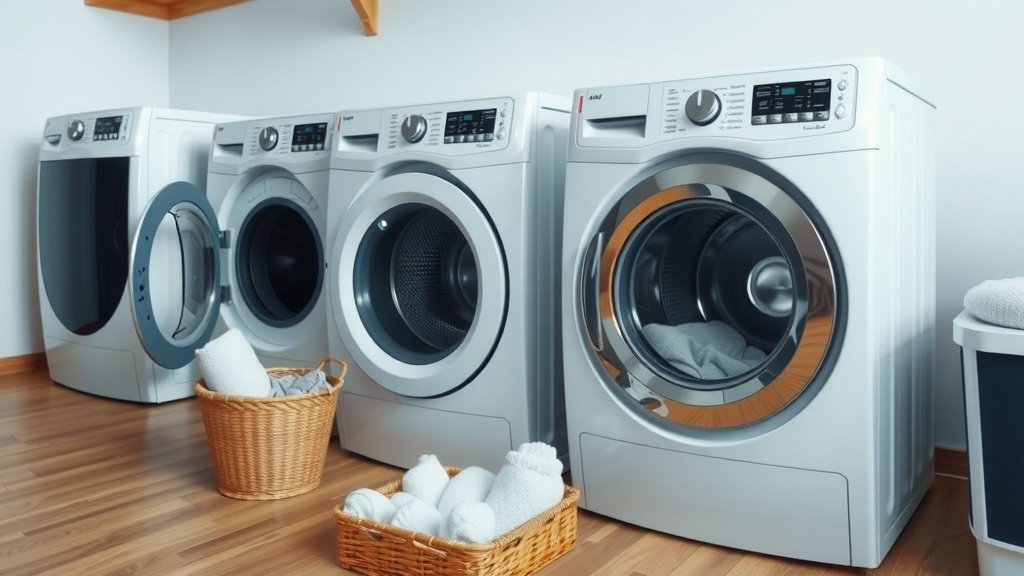
Average Washer and Dryer Cost: What’s a Good Price
You’re probably wondering, “How much is a good washer and dryer?” Generally, you can expect to spend between $1,500 and $2,500 for a reliable, mid-range set. A good washer and dryer combo offers a solid balance of features, durability, and performance without breaking the bank. Think of it as investing in fewer repair calls and cleaner clothes.
When searching for a good washer and dryer, consider your household’s specific needs. Are you looking for high-efficiency models to save on utilities? Do you need large capacities for family-sized loads? Many smart features are available, but sometimes the simplest designs are the most dependable. We found that focusing on core functions often leads to the best long-term value.
- Budget-friendly: Basic sets start around $700-$1,000.
- Mid-range sweet spot: $1,500-$2,500 offers great features and durability.
- High-end options: Expect to pay $2,500+ for premium features and smart tech.
- Energy efficiency: Look for ENERGY STAR certified models to save on bills.
- Capacity matters: Choose based on your family size and laundry volume.
Let’s break down what makes a washer and dryer “good” for your budget and your laundry needs.
Understanding the Cost of a Good Washer and Dryer Set
So, you’re trying to figure out what a “good” washer and dryer actually costs. It’s not a simple number, but we’ve found that for a reliable, mid-range set, you’re generally looking at a price point between $1,500 and $2,500. This range offers a sweet spot. You get good features and durability without paying for bells and whistles you might never use.
Think of it this way: a good set is an investment. It means fewer repair calls down the road. It means your clothes come out cleaner, and you save money on utility bills over time. We’ve researched many options, and this mid-range area consistently hits the mark for most households.
What “Good” Really Means for Your Laundry Machines
When we talk about a “good” washer and dryer, we’re not just talking about price. We’re talking about how well they perform for your needs. Several factors come into play when determining value and performance.
Key Factors Defining a “Good” Set
Several elements contribute to what makes a washer and dryer a good purchase. It’s about finding the right mix for your lifestyle.
Capacity is Crucial
First, consider capacity. How much laundry do you do? A small household might be fine with a standard 3.5-4.0 cubic foot washer. Larger families or those who wash bulky items like comforters often need 4.5 cubic feet or more. We found that choosing too small a capacity leads to more loads, while too large can waste water and energy.
Efficiency Saves Money
Next, think about energy efficiency. ENERGY STAR certified appliances are designed to use less energy and water. This can lead to noticeable savings on your utility bills each month. According to ENERGY STAR, certified washers can save you about 50 gallons of water per load compared to older models. That adds up!
Durability and Reliability
Then there’s durability. You want machines that will last. We looked at models known for their robust construction and fewer reported breakdowns. Consumer reports often highlight brands with strong track records for reliability. This is where investing a bit more upfront can save you big later.
Essential Features
What features are essential for you? Do you need steam cycles for sanitizing or wrinkle reduction? Are specific wash cycles like “delicates” or “heavy duty” a must-have? We found that many users prioritize simplicity. The most important features often relate to effective cleaning and fabric care.
Price Tiers: What You Get at Each Level
The cost of washers and dryers varies significantly. Let’s break down the typical price ranges and what you can expect to find within them.
Budget-Friendly Options ($700 – $1,000)
At the lower end, you’ll find basic, no-frills sets. These machines will get your clothes clean. They usually have fewer wash cycles and basic settings. Capacity might be on the smaller side. They are a good choice if you’re on a tight budget or don’t have heavy laundry needs. We found that while dependable, they may lack advanced features like steam or smart connectivity.
The Mid-Range Sweet Spot ($1,500 – $2,500)
This is where most people find their “good” set. Here, you get a great balance of features, capacity, and durability. Expect larger capacities, more wash cycles, and better energy efficiency. Some models in this range might include steam functions or quieter operation. We found these sets offer the best value for the average household.
High-End and Premium Models ($2,500+)
If you’re looking for top-of-the-line performance and technology, this is your range. These machines often boast large capacities, advanced steam and sanitizing cycles, and smart features. You can control them with your phone, get cycle recommendations, and even have them self-diagnose issues. We found that while impressive, the added cost doesn’t always translate to significantly cleaner clothes for everyone.
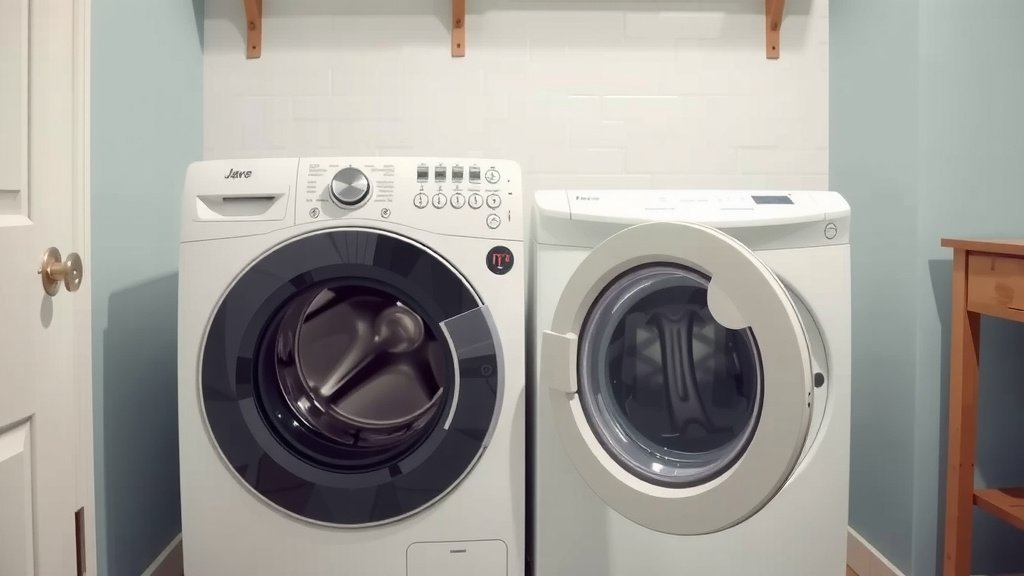
Understanding Washer and Dryer Types and Their Impact on Cost
The type of washer and dryer you choose also plays a role in the overall price. Each type has its own set of pros and cons that affect both cost and performance.
Top-Load Washers
These are generally the most affordable. You have two main types: traditional agitator models and high-efficiency (HE) impeller models. Agitator models are known for being tough on stains and are often less expensive. HE impeller models use less water and are gentler on clothes, often costing a bit more. We found that top-loaders are typically easier to load and unload.
Front-Load Washers
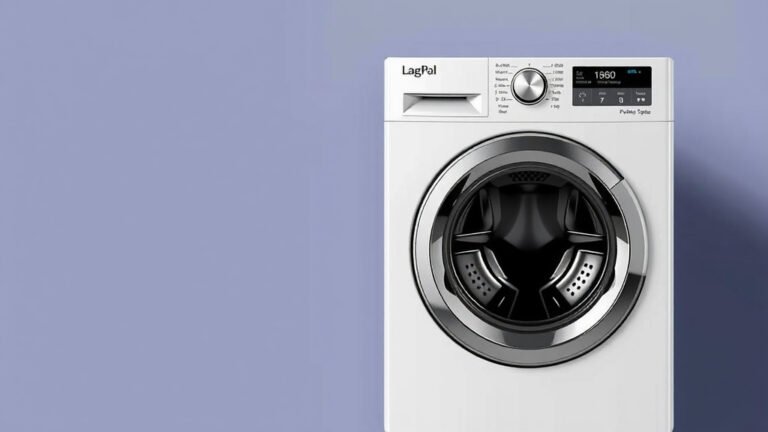
Front-load washers are usually more expensive but offer significant advantages. They use less water and energy than most top-loaders. They also tend to be gentler on clothes and provide superior cleaning power. Many experts agree that front-loaders often have higher spin speeds, which extract more water, leading to shorter drying times (Mayo Clinic). They can also be stacked to save space.
Smart and Wi-Fi Enabled Appliances
These machines come with internet connectivity. You can monitor cycles remotely, receive alerts, and sometimes download new wash cycles. While convenient, this technology adds to the overall cost. We found that the “smart” features are a matter of personal preference; not everyone needs or uses them.
Making Your Final Decision: A Checklist
To help you narrow down your choices and ensure you’re getting a good washer and dryer set for your budget, use this quick checklist:
- Determine your budget range (e.g., $1,000-$1,500, $1,500-$2,500).
- Assess your laundry needs (household size, types of loads).
- Prioritize features (steam, specific cycles, smart tech).
- Check for ENERGY STAR certification for potential savings.
- Read reviews on reliability and durability.
- Consider the type (top-load, front-load) and its space/cost implications.
Conclusion
Finding a good washer and dryer set is about balancing your budget with your household’s needs. We’ve seen that the $1,500 to $2,500 range offers an excellent sweet spot for features, durability, and performance. Remember to prioritize capacity for your family size and look for energy efficiency to save on utility bills. Don’t forget to check consumer reviews for reliability. Your next step is to use the checklist provided and visit a retailer or browse online to start comparing models that fit your criteria. You’re well on your way to cleaner clothes and peace of mind!
Frequently Asked Questions
How much should I expect to pay for a basic washer and dryer set?
For a basic, no-frills washer and dryer set, you can generally expect to spend between $700 and $1,000. These models will handle your everyday laundry needs effectively but may have fewer cycles and simpler controls.
Are front-load washers more expensive than top-load washers?
Yes, front-load washers typically come with a higher price tag than top-load models. However, they often use less water and energy, and we found they provide superior cleaning and gentler fabric care, which can offer long-term savings.
Is it worth paying extra for smart or Wi-Fi enabled washer and dryer features?
Smart features like remote control and cycle notifications are convenient but add to the cost. We found that whether it’s “worth it” depends on your personal preference and how you envision using your appliances. Many users find they don’t always utilize these advanced functions.
How does dryer capacity relate to washer capacity, and what should I consider?
Dryer capacity should generally match your washer’s capacity to ensure efficient drying. If your washer is large, your dryer should be too, allowing clothes enough room to tumble freely. We recommend selecting a dryer that is at least the same cubic footage as your washer.
Can I find a good washer and dryer for under $1,500?
Absolutely! While the absolute best features might be in higher tiers, the $1,500 and under range, especially between $1,000-$1,500, offers excellent value. You can find sets with good capacity, energy efficiency, and reliable performance that meet most household needs.

![7 The Best Washer And Dryers [In 2026]](https://homeunderstandable.com/wp-content/uploads/2026/09/7-the-best-washer-and-dryers-in-2026-featured-768x432.jpg)