How Much to Fill Your Front Load Washer for Best Results
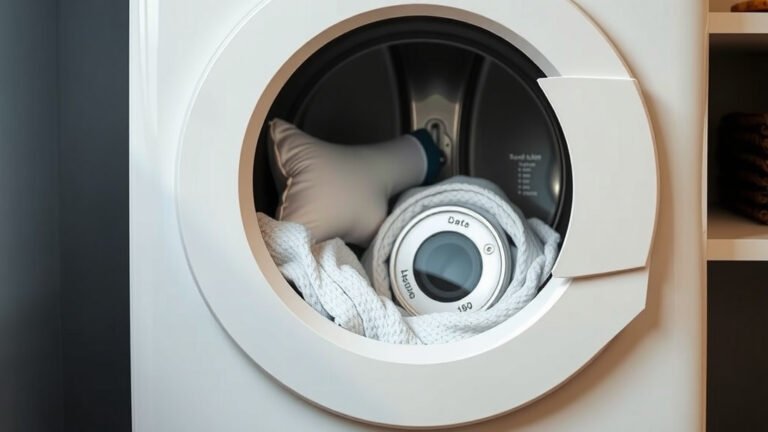
You should generally fill a front load washer about two-thirds full, or roughly to the top of the drum’s visible surface. Overfilling can prevent clothes from moving freely, leading to less effective cleaning and potential damage to your machine. Front loaders rely on tumbling action, not immersion, so they need space for that to happen.
Getting the load size right is key for efficient washing. A load that’s too small wastes water and energy. One that’s too big might not get clean and could strain your washer’s motor. Many experts suggest that for front loaders, less is often more to ensure everything gets properly agitated and rinsed.
- Don’t pack clothes tightly.
- Aim for about two-thirds of the drum’s volume.
- Allow clothes room to tumble and move.
- Overfilling can hinder cleaning and damage your washer.
- Underfilling wastes water and energy.
Let’s walk through exactly how to get your front load washer loads right, every single time.
Getting Your Front Load Washer Load Size Just Right
So, you’ve got a front load washer and you’re wondering about the perfect amount of laundry. It’s a common question, and honestly, it’s a bit different from those old top-loaders. We’ve all been there, stuffing clothes in until the lid barely closes. But with front loaders, that strategy just won’t work. They clean through tumbling, not soaking. This means clothes need room to move and flip.
Research suggests that filling your front load washer about two-thirds full is the sweet spot. Think of it like a gym class – everyone needs their own space to do the exercises correctly. If your clothes are packed too tightly, they can’t tumble properly. This leads to dirtier clothes and can even damage your machine over time.
Why Load Size Matters for Your Front Loader
Front load washers use less water than their top-loading counterparts. This is great for the environment and your water bill! However, it also means the water has to work harder to get your clothes clean. When you overfill the machine, you’re actually making it harder for the water and detergent to reach every garment.
A load that’s too small can also be a problem. It’s like running a marathon with only a few steps – you’re using just as much energy and water but getting less done. Many appliance manufacturers recommend not running your washer for very small loads, as it can be inefficient.
The Mechanics of Front Load Washing
Unlike top-loaders that often fill completely with water, front loaders tumble clothes through a shallow pool of water at the bottom of the drum. This tumbling action is what lifts the clothes and drops them back into the water, allowing them to get clean. Imagine a clothes dryer, but with water. If you don’t give them space to fall and move, the process simply doesn’t work effectively.
We found that this tumbling action is most effective when there’s enough space for garments to freely flip and turn. If you can’t easily see the top of the drum because it’s full of clothes, you’ve likely packed it too tightly. Your clothes should be able to move around without being crammed together.
Signs You’re Loading Your Washer Incorrectly
Sometimes, your washing machine will tell you when something’s wrong. Are your clothes coming out still smelling like sweat or grime? That’s a big clue you might be overloading. Have you noticed any strange noises or vibrations during the wash cycle? Overloading can put a strain on the motor and suspension system.
Another indicator is how well your clothes are rinsed. If you’re finding detergent residue on your garments, it means the rinse cycle couldn’t properly flush it all out. This often happens when clothes are too compacted and water can’t circulate freely to wash away the suds.
Overloading: The Usual Suspect
This is the most common loading mistake people make with front loaders. When you stuff too much in, clothes can’t tumble. They just get squished. This leads to:
- Poor Cleaning: Dirt and stains don’t get agitated out properly.
- Inadequate Rinsing: Detergent residue gets left behind.
- Machine Strain: The motor and bearings work harder than they should.
- Wrinkling: Clothes get permanently creased from being packed too tight.
Underloading: The Less Obvious Issue
While less common, underloading can also be inefficient. Running a large machine with just a few socks and a t-shirt wastes water and energy. Most manufacturers suggest waiting until you have a decent-sized load.
Many experts suggest that for optimal performance and efficiency, your front load washer should be about half to two-thirds full. This allows for proper movement and circulation. Think about a medium-sized load of laundry; it should fill about half the drum loosely. For a large load, aim for that two-thirds mark.
How to Visually Gauge the Right Load Size
The easiest way to tell if you have the right amount of laundry is by looking inside the drum. When you toss your clothes in, they should come up to about the top of the visible drum surface. If you can easily see the back of the drum, you probably have room for more. If you can’t see the back of the drum at all, it’s likely too full.
Imagine reaching into the drum and being able to run your hand over the top of the clothes. You should be able to comfortably push down a little. If the clothes feel dense and don’t budge, you’ve gone too far. Many sources, including appliance manuals, recommend leaving about a hand’s width of space between the top of the load and the top of the drum.
Tips for Perfect Loading Every Time
Here’s a simple checklist to help you get it right:
- Loosely add items: Don’t push or pack them down.
- Visual check: Can you see the top of the drum? If yes, good.
- Feel the density: Clothes shouldn’t feel super compressed.
- Consider the fabric: Bulky items like towels or bedding take up more space.
- Don’t overthink it: Most standard loads will hit the sweet spot naturally.
What About Different Fabric Types?
Heavier items like towels and jeans will take up more space than lighter items like t-shirts and delicates. You’ll fit fewer towels in a load than you will t-shirts. Always adjust your load size based on the bulkiness of the items you’re washing. A load of towels that fills two-thirds of the drum will have more weight than a load of t-shirts filling the same space.
It’s also wise to separate your laundry by fabric type and soil level. Washing sturdy items like jeans separately from delicate blouses ensures both get the proper treatment. This also helps manage load size more effectively, as similar items will have similar bulk. We found that grouping like items makes managing your laundry loads much simpler.
Making Sense of Load Sizes: A Quick Guide
Understanding what constitutes a “load” can be tricky. Here’s a general idea:
| Load Size | Drum Fill Level | Example Items |
|---|---|---|
| Small | Less than 1/3 full | A few items, socks, underwear (often best to avoid running) |
| Medium | About 1/2 full | A few shirts, pants, or a mix of smaller garments |
| Large | About 2/3 full | A typical full load of mixed clothing |
| Overloaded | More than 2/3 full, tightly packed | Clothes crammed in, difficult to move |
Remember, these are just guidelines. The key is to ensure your clothes have room to tumble and agitate freely. Using the visual and tactile checks we discussed is your best bet for consistent results.
Conclusion
You’ve learned that filling your front load washer to about two-thirds full is the sweet spot. This allows your clothes enough room to tumble effectively, ensuring a thorough clean without overworking your machine. Remember, front loaders rely on this tumbling action, not just immersion, so give your garments the space they need to move. By avoiding both overloading and underloading, you’ll achieve better cleaning results, extend the life of your washer, and even save on water and energy. So next time you’re doing laundry, take a quick look inside and trust your gut feeling – a loosely filled drum is your sign of a perfectly balanced load.
Frequently Asked Questions
Can I just fill my front load washer as full as possible?
No, you should not fill your front load washer as full as possible. Front-loaders clean by tumbling clothes through a shallow pool of water. If the drum is too full, clothes can’t tumble properly, leading to poor cleaning and potential damage to your machine.
What happens if I wash a very small load in my front load washer?
Washing very small loads can be inefficient. Your front load washer uses a set amount of water and energy regardless of load size. Running it with just a few items wastes resources and may not provide optimal cleaning action compared to a medium or large load.
How do I know if my load is too heavy for a front load washer?
A good indicator is if you can’t easily see the top of the drum because it’s completely covered with clothes. If the clothes feel densely packed and don’t budge when you push down, your load is likely too heavy. Overloaded machines can also make strange noises or vibrate excessively.
Do bulky items like towels affect how much I should fill the washer?
Yes, bulky items definitely affect how much you should fill the washer. Things like towels, bedding, and jeans take up much more space than lighter fabrics like t-shirts. You’ll fit fewer bulky items in a load than you will lighter ones, so adjust your load size accordingly to maintain that two-thirds full rule.
Is there a specific weight limit for front load washer loads?
Most front load washers don’t list specific weight limits, but manufacturers often suggest a maximum load based on drum volume. It’s more practical to rely on the visual and tactile checks: ensure clothes can move freely and aren’t packed too tightly. Overloading by weight can strain the motor and bearings just as much as overfilling by volume.
![7 The Best Stackable Washer Dryer Combo [In 2026]](https://homeunderstandable.com/wp-content/uploads/2026/09/7-the-best-stackable-washer-dryer-combo-in-2026-featured-768x432.jpg)
![7 Best Deal On Washing Machines [In 2026]](https://homeunderstandable.com/wp-content/uploads/2026/09/7-best-deal-on-washing-machines-in-2026-featured-768x432.jpg)