How to Clean Your Front Load Washer: A Quick Guide
The easiest way to clean your front load washing machine is to run an empty hot water cycle with a specialized washing machine cleaner or a DIY solution of vinegar and baking soda. This will help remove soap scum, mildew, and lingering odors. Keeping your front loader clean ensures your clothes come out truly fresh and extends the life of your appliance. Many people overlook this simple maintenance, but it’s quite important.
A dirty washing machine can lead to smelly clothes and even transfer grime back onto your laundry. We found that consistent cleaning prevents buildup in the door seal, drum, and detergent dispenser. This preventative care is key to maintaining optimal washing machine performance and hygiene. Don’t let that musty smell win!
- Run an empty hot water cycle.
- Use a cleaner or vinegar/baking soda.
- Clean the door seal and dispenser too.
- Regular cleaning prevents odors and buildup.
Ready to give your machine a spa day? Let’s walk through exactly how to get your front load washer sparkling clean, step by step.
Keeping Your Front Load Washer Sparkling Clean
A clean front load washing machine is essential for fresh-smelling laundry. You might not realize it, but the machine itself can get quite grimy. Regular cleaning prevents mold, mildew, and those unpleasant odors from taking hold. We found that a little effort goes a long way in keeping your clothes truly clean and extending your appliance’s lifespan.
The Best Way to Clean Your Front Load Washer Drum
The drum is where all the action happens, but it’s also a prime spot for buildup. Soap scum, lint, and minerals can accumulate over time. This can lead to a musty smell and even transfer residue onto your clothes. Fortunately, cleaning it is simple and effective. You’ll want to tackle this part of your machine first.
Using a Specialized Washer Cleaner
There are many effective washing machine cleaners available. These are specifically formulated to break down grime and deodorize your machine. You typically just toss a tablet or pour a liquid directly into the drum. Then, run an empty hot water cycle. This is often the easiest and most recommended method.
The Vinegar and Baking Soda Method
A more natural approach involves common household items. For this method, you’ll need white vinegar and baking soda. Many homeowners prefer this for its cost-effectiveness and fewer chemicals. Research suggests vinegar can help break down mineral deposits and kill bacteria. Baking soda acts as a gentle abrasive and deodorizer.
Step-by-Step Vinegar and Baking Soda Cleaning
- First, pour about two cups of white vinegar directly into the detergent dispenser.
- Next, sprinkle about half a cup of baking soda into the empty drum.
- Run your washing machine on its hottest, longest cycle. A “sanitize” or “clean washer” cycle is ideal if your machine has one.
- Once the cycle is complete, you might want to wipe down the inside of the drum with a clean cloth. This helps remove any loosened residue.
This process is surprisingly effective. We found that it leaves the drum smelling much fresher. It’s a good habit to do this every few months.
Don’t Forget the Gasket: Cleaning the Door Seal
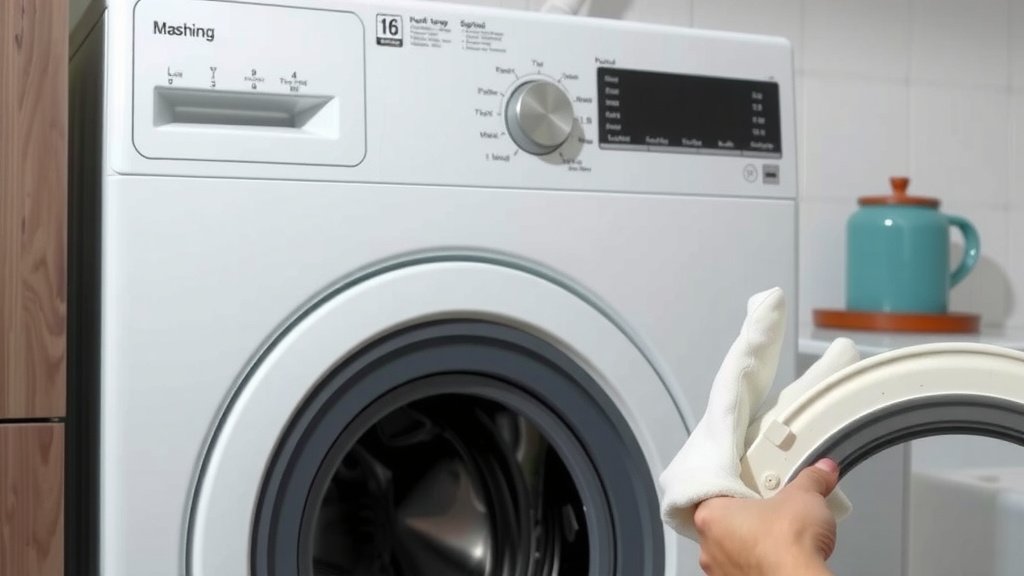
The rubber seal around your front load washer’s door is a common culprit for mold and mildew. Water can get trapped here, creating a damp environment perfect for funk to grow. You really need to pay attention to this area. Ignoring it can lead to persistent odors that are hard to get rid of.
How to Clean the Door Seal
To clean the gasket, you’ll need a damp cloth and a mild cleaning solution. A mixture of equal parts water and vinegar works well. Or, you can use a diluted bleach solution, but be cautious with bleach.
- Gently pull back the rubber seal to expose any hidden areas.
- Wipe down the entire seal, making sure to get into all the folds.
- For stubborn mold spots, you might need a soft brush, like an old toothbrush.
- After cleaning, dry the seal thoroughly with a clean, dry cloth. Leaving it wet can just restart the mold cycle.
Keeping this area dry between washes is also key. We found that leaving the door slightly ajar after use helps a lot. This allows for better air circulation.
Cleaning the Detergent Dispenser Drawer
Your detergent dispenser drawer can get clogged with dried detergent and fabric softener residue. This buildup can prevent the proper dispensing of cleaning agents. It might even cause them to back up and create a mess inside the machine. It’s a hidden spot that needs regular attention.
How to Clean the Dispenser Drawer
Most dispenser drawers can be removed from the machine. This makes cleaning them much easier. Check your owner’s manual if you’re unsure how to remove yours.
- Remove the drawer completely.
- Wash it in your sink with warm, soapy water. Use a brush to scrub away any stubborn residue.
- Rinse it thoroughly and dry it completely.
- While the drawer is out, wipe down the cavity where it sits inside the washing machine. This area can also accumulate gunk.
- Reinsert the dry drawer.
Many experts suggest doing this monthly. It ensures your detergent is used effectively. We found that a clean dispenser leads to cleaner clothes.
A Quick Checklist for Ongoing Maintenance
Keeping your front load washer in top shape doesn’t have to be a chore. A few simple habits can prevent problems before they start. Think of it as giving your machine a little TLC.
- Wipe down the door seal after each use.
- Leave the door ajar between washes.
- Remove and clean the dispenser drawer monthly.
- Run a cleaning cycle with vinegar or a cleaner every 2-3 months.
- Check and clean the filter if your model has one (refer to your manual).
These small steps will help ensure your washing machine runs efficiently. They also keep your laundry smelling wonderfully fresh. You’ll notice a difference in your clothes’ appearance and scent.
Conclusion
Keeping your front load washer clean is simpler than you think. You’ve learned how to tackle the drum with cleaners or a vinegar and baking soda mix. You also know how vital it is to clean the door seal and dispenser drawer regularly. These steps prevent mildew, odors, and ensure your clothes come out truly fresh. Make these cleaning routines a habit. Your next step? Schedule your first deep clean this weekend to get your machine back in top shape.
Frequently Asked Questions
How often should I really clean my front load washer?
For best results, run a cleaning cycle with a specialized cleaner or vinegar/baking soda every 2-3 months. We also recommend cleaning the dispenser drawer monthly and wiping down the door seal after each wash. This consistent care prevents buildup.
Can I use regular household bleach to clean my washing machine?
You can use a diluted bleach solution for the door seal, but use it cautiously. Bleach can be harsh and isn’t recommended for cleaning the entire drum or dispenser. Vinegar and baking soda are generally safer and effective alternatives for the drum.
What if my front load washer still smells after cleaning?
If odors persist, recheck the door seal for hidden mold, especially in the folds. Also, ensure the dispenser drawer is thoroughly cleaned and dried. Sometimes, a second cleaning cycle might be needed to fully remove stubborn smells.
Why is it important to leave the washing machine door ajar?
Leaving the door slightly open between washes allows for air circulation. This helps to dry out the interior, especially the door seal, which is prone to moisture. Preventing this trapped moisture significantly reduces the chances of mold and mildew growth.
Do I need to clean the filter in my front load washer?
Some front load models have a small filter, often located at the bottom front of the machine. If yours does, you should check and clean it periodically, as recommended in your owner’s manual. A clogged filter can affect drainage and cause odors.
![7 Best Small Washer For Apartment [In 2026]](https://homeunderstandable.com/wp-content/uploads/2026/08/7-best-small-washer-for-apartment-in-2026-featured-768x432.jpg)
![7 Best Stackable Washer Dryer Reviews [In 2026]](https://homeunderstandable.com/wp-content/uploads/2026/09/7-best-stackable-washer-dryer-reviews-in-2026-featured-768x432.jpg)
![7 Best Washer Dryer For Small Apartment [In 2026]](https://homeunderstandable.com/wp-content/uploads/2026/08/7-best-washer-dryer-for-small-apartment-in-2026-featured-768x432.jpg)