
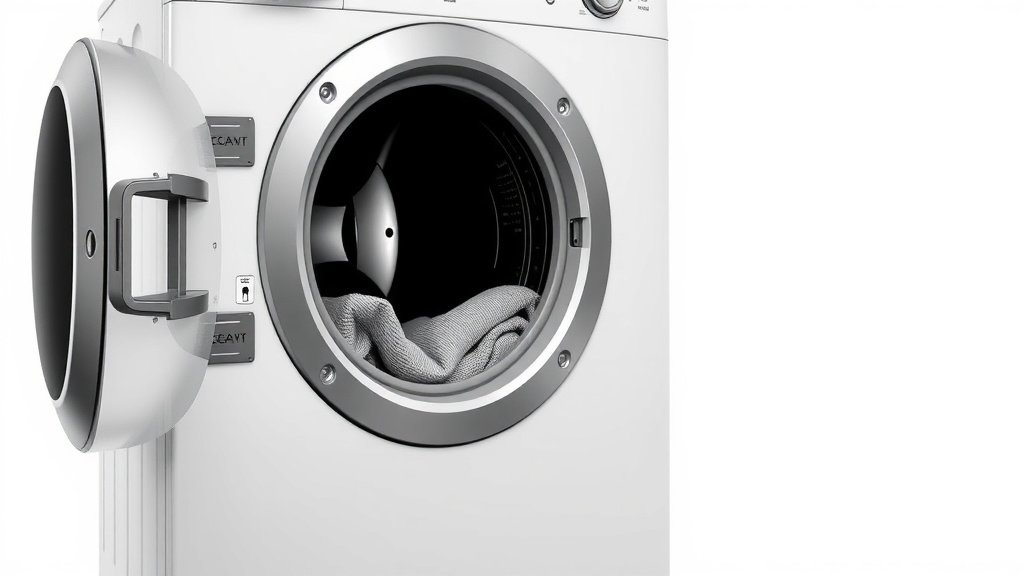
Front Loader Laundry: How Much to Load for Best Results
You shouldn’t stuff your front loader. Aim for about half to three-quarters full. This allows your clothes to tumble freely. Overloading can lead to poor cleaning and damage your machine.
Knowing the right amount prevents laundry day headaches. Too little soap or water can leave clothes dingy. Too much means extra rinsing. Getting the load size right is key for efficient washing and garment care.
- Don’t overpack your washer.
- Leave space for clothes to move.
- Aim for a loosely packed drum.
- Check for free movement of clothes.
Let’s walk through exactly how to achieve that perfect load size and ensure your laundry comes out fresh and clean every time.
Filling Your Front Loader the Right Way
So, you’ve got a front-load washer and you’re wondering, “Just how much laundry should I actually put in this thing?” It’s a great question! Getting it right makes a huge difference. Too much, and your clothes don’t get clean. Too little, and you’re wasting water and energy. We’re here to help you nail that perfect load size for sparkling results.
Why Load Size Matters So Much
Think of your front loader like a gentle dance partner for your clothes. It needs space to move them around properly. When you overload it, it’s like cramming too many dancers into a small room. They can’t do their moves, and things get messy. This means less effective cleaning and a harder time for your machine.
The Science Behind the Tumble
Front loaders work by tumbling clothes through a small amount of water. This tumbling action is what lifts the dirt out. If the drum is packed too tightly, the clothes can’t tumble freely. They just kind of sit there, getting a poor wash. Many manufacturers recommend filling the drum only about two-thirds full to allow for this essential movement (Whirlpool).
Consequences of Overloading
Stuffing your machine too full leads to a cascade of problems. Clothes might come out still dingy, with spots of detergent or even dirt. You might notice that stubborn odors linger. Beyond just the wash quality, overloading puts extra strain on your washer’s motor and drum. This can lead to premature wear and tear and costly repairs down the line.
The Downside of Underloading
On the flip side, washing too few items isn’t ideal either. While it might seem like you’re being efficient, you’re actually using the same amount of water and energy for just a few pieces. This is resource-intensive. Imagine running your dishwasher for just one cup – it’s the same idea! For smaller loads, it’s often better to wait until you have a full load or use a specialized smaller cycle if your machine offers one.
How to Visually Gauge the Perfect Load
Forget measuring cups for your clothes! The best way to know if you have the right amount is by sight and feel. It’s more art than exact science, but once you get the hang of it, it’s super easy.
The “Fist Rule” and Beyond
A common and effective guideline is the “fist rule.” When you look at the drum filled with dry clothes, you should be able to easily place your hand flat on top of the load. Now, try to slide your fist vertically into the space between the top of the clothes and the top of the drum. If your fist fits comfortably with some wiggle room, you’re likely in the clear. If it’s a tight squeeze or impossible to get your fist in, you’ve probably got too much in there.
Observing the Tumble Space
Another way to check is to imagine your clothes tumbling. When the drum is wet and spinning, the clothes will expand. You need enough space so they can lift and drop. If you can still see a significant amount of the drum’s interior surface after loading, you might have too little. If you can barely see the drum wall because clothes are pressing against it, you have too much.
Different Fabrics, Different Needs?
Does the type of fabric matter? Yes, a little! Bulky items like towels and blankets will take up more space than smaller items like socks and underwear. When washing bulky items, you’ll naturally be able to fit fewer of them. Always ensure that even these larger items have room to absorb water and agitate. A load of just towels should never be packed down tightly.
Practical Tips for Optimal Loading
Let’s translate these visual cues into actionable steps for your next laundry day. These small adjustments can make a big difference.
Sorting is Your First Step
Before you even think about loading the machine, sort your laundry properly. This isn’t just about colors and whites. It’s also about load size. Grouping similar-sized items together helps. A load of jeans will pack differently than a load of t-shirts. This sorting makes it easier to achieve that ideal fill level.
Distribute Clothes Evenly
Once you start adding clothes, don’t just dump them all in one spot. Scatter them around the drum. This helps with balance during the spin cycle. An uneven load can cause your washer to vibrate excessively. It’s also better for the clothes themselves, ensuring more uniform cleaning. Try to avoid creating one big lump of clothes in the middle.
Don’t Forget the Detergent Amount
While we’re talking about load size, it’s a good moment to touch on detergent. Overloading can mean you need more detergent. However, many modern detergents are highly concentrated. Always check the detergent packaging for the correct amount based on load size and water hardness. Using too much detergent can lead to residue on your clothes and in your machine.
High-Efficiency (HE) Detergents
Front loaders, especially HE models, require HE detergents. These produce fewer suds. Too many suds are a common problem in front loaders, even with the right load size. They can interfere with the wash action and rinsing (Consumer Reports).
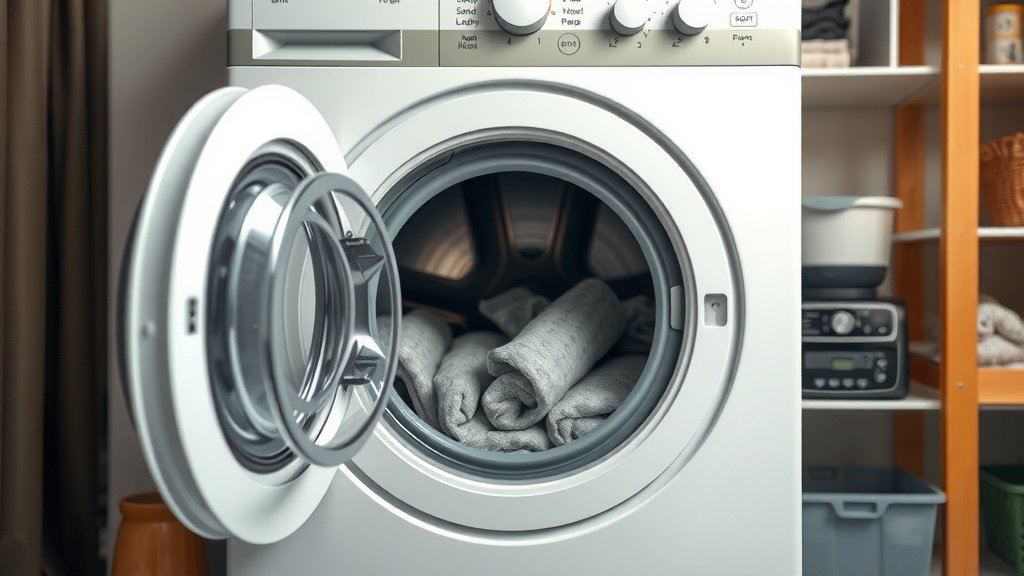
Troubleshooting Common Loading Issues
Sometimes, even with the best intentions, you might run into trouble. Here are a few common scenarios and how to address them.
Clothes Still Wet After a Cycle
If your clothes are coming out too wet, even after the spin cycle, it might be an overloading issue. The machine can’t effectively spin out excess water if the drum is too packed. Try removing a few items and re-running a spin cycle. If this helps, you know your load size was the culprit.
Excessive Vibration or Noise
A front loader that sounds like it’s preparing for takeoff is usually a sign of an unbalanced load. This often happens when you wash just one or two very heavy items, like a single comforter. It can also happen if clothes clump together. Try redistributing the load or adding a few lighter items to help balance it out.
Detergent Residue on Clothes
Seeing white streaks or a filmy feel on your clothes after washing? This points to too much detergent or not enough water/space for rinsing. If you’re sure you’re using the right amount of detergent, your load might be too large, preventing proper rinsing.
Your Laundry Loading Checklist
Here’s a quick rundown to keep handy for perfect loads:
- Check Drum Space: Leave about 4-5 inches of clearance at the top.
- The Fist Test: Your fist should fit easily between clothes and the drum top.
- Distribute Evenly: Scatter items around the drum, not in one big pile.
- Consider Item Bulk: Fewer bulky items (towels, blankets) in a load.
- Use HE Detergent: Only use detergents labeled for high-efficiency machines.
- Don’t Guess: When in doubt, err on the side of slightly less laundry.
Conclusion
You’ve learned that perfectly loading your front-load washer is key to clean clothes and a happy machine. Remember, the goal is for your clothes to tumble freely, not to be crammed in. Use visual cues like the fist rule and ensure there’s enough space for items to move and absorb water.
A properly sized load prevents dinginess, lingering odors, and unnecessary wear on your washer. By sorting wisely, distributing loads evenly, and using the right detergent, you’ll achieve fantastic results every time. So, next time you do laundry, aim for that half to three-quarters full drum and experience the difference a perfect load makes!
Frequently Asked Questions
How can I tell if my front loader is truly too full?
The easiest way is the “fist rule”: you should be able to slide your fist vertically into the space between the top of the clothes and the drum’s opening. If it’s a tight squeeze or impossible, your load is likely too big.
What happens if I put too few clothes in my front loader?
Washing very small loads uses the same amount of water and energy as a full load, making it inefficient. It’s often better to wait until you have enough for a full load or use a specific small-load setting if your machine has one.
Should I pack down the clothes in my front loader?
Absolutely not. You need to leave space for the clothes to tumble and agitate properly in the water. Packing them down prevents effective cleaning and can strain your machine.
Do I need to worry about load size with bulky items like towels?
Yes, bulky items take up more space. You’ll fit fewer towels or blankets in a load compared to t-shirts. Ensure even these large items have room to absorb water and move around freely.
My clothes sometimes come out wrinkled. Could this be from overloading?
Overloading can definitely contribute to wrinkles. When clothes can’t tumble freely, they can get twisted and bunched up, leading to more creasing. Ensuring you have adequate space for movement helps reduce this.
![7 The Best Washing Machines [In 2026]](https://homeunderstandable.com/wp-content/uploads/2026/09/7-the-best-washing-machines-in-2026-featured-768x432.jpg)
![7 Best Space Saver Washer And Dryer [In 2026]](https://homeunderstandable.com/wp-content/uploads/2026/08/7-best-space-saver-washer-and-dryer-in-2026-featured-768x432.jpg)
![7 Best Laundry Washer [In 2026]](https://homeunderstandable.com/wp-content/uploads/2026/09/7-best-laundry-washer-in-2026-featured-768x432.jpg)
![7 Best Small Washer And Dryer For Apartments [In 2026]](https://homeunderstandable.com/wp-content/uploads/2026/08/7-best-small-washer-and-dryer-for-apartments-in-2026-featured-768x432.jpg)