
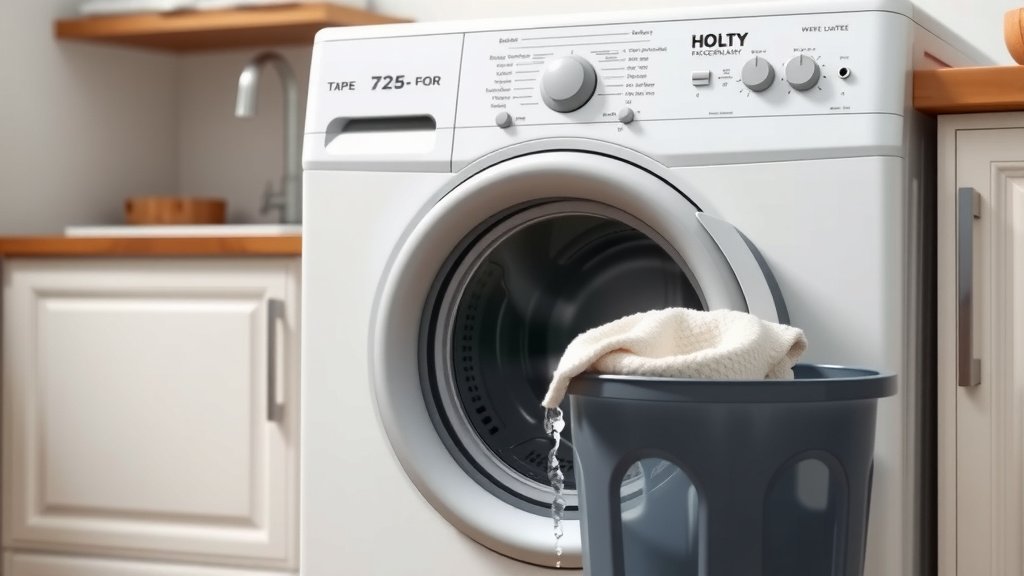
Front Load Washer Water Savings Explained
So, you’re wondering about front load washers and water usage? You’ve come to the right place! Front load washers use significantly less water than traditional top load machines. In fact, many models use up to 50% less water per load. This means you save money on your water bills and help conserve a precious resource. It’s a win-win for your wallet and the planet.
When you choose a front load washer, you’re choosing a more efficient appliance. They work by tumbling clothes through a small amount of water. This tumbling action is highly effective at cleaning. Because they use less water, they also require less energy to heat that water. Many experts agree that this water-saving technology is a major advantage. You might be surprised by the difference it makes over time.
- Front loaders use much less water than top loaders.
- You can save money on your water bills.
- They are also more energy efficient.
- The tumbling action cleans clothes effectively.
- It’s a smart choice for your home.
Let’s dive into the specifics of how front load washers achieve these savings and what that means for your laundry routine.
“`htmlUnderstanding Your Front Load Washer’s Water Savings
You’re probably wondering just how much less water your front load washer uses compared to older top load models. The answer is quite impressive! Research consistently shows that front load machines are remarkably efficient. They use a fraction of the water that traditional machines do. This means you’re not just doing laundry; you’re making a conscious choice for water conservation right in your home.
The Science Behind the Savings
How do they manage to clean clothes so well with so little water? It all comes down to their design and how they operate. Front loaders use gravity and a tumbling action. Clothes are lifted and dropped into a small pool of water at the bottom of the drum. This gentle yet effective method mimics hand washing. It requires far less water to saturate the clothes and create the necessary friction for cleaning.
Tumbling vs. Agitation
Traditional top load washers often use an agitator in the center of the drum. This central post twists and turns, pushing clothes through a large volume of water. While effective for some loads, it’s a very water-intensive process. Front loaders, on the other hand, rely on the drum’s rotation. The clothes tumble over each other, allowing them to move freely and get clean with minimal water. This tumbling action is key to their water efficiency. You can think of it like a gentle hug for your clothes, rather than a vigorous shake.
Water Levels: A Clear Difference
When you watch a front load washer in action, you’ll notice the water level is much lower. Many older top loaders would fill the tub completely. This could mean filling it to the brim for every single wash. Front loaders only need enough water to saturate the clothes and allow them to tumble. Some studies indicate that front load washers can use as little as 10-15 gallons of water per load. Compare this to older top load models that might use 30-40 gallons or even more. That’s a substantial difference!
Quantifying the Water Reduction
So, let’s get down to numbers. How much less water are we talking about? Many sources suggest that front load washers can use between 40% and 50% less water per load compared to standard top load machines. Some high-efficiency (HE) top load models have improved, but front loaders generally remain the leaders in water savings. This reduction translates directly into your utility bills. Think about how many loads of laundry you do in a year – the savings really add up!
Real-World Impact on Your Bills
Consider your household’s laundry habits. If you’re doing multiple loads each week, switching to a front load washer can lead to noticeable savings on your water bill over time. While the initial purchase price might be higher, the long-term cost savings from reduced water and energy usage are considerable. Many families find that the upfront investment pays for itself within a few years. It’s a decision that benefits both your budget and the environment.
Beyond Water: Energy Efficiency Benefits
The water savings aren’t the only advantage. Because front load washers use less water, they also require less energy. If you use hot water for your laundry, heating that smaller volume of water takes considerably less electricity or gas. This dual saving – on water and energy – makes front loaders an incredibly cost-effective choice for your home. The U.S. Department of Energy has recognized the efficiency gains of front load designs, encouraging their adoption. This means your clothes get clean, and your energy consumption goes down.
The Energy-Water Connection
It’s a simple equation: less water means less energy needed to heat it. For those loads where you select a hot water setting, this connection is particularly strong. We found that the energy savings can be as significant as the water savings, sometimes even more so, depending on your utility rates. This efficiency is why many ENERGY STAR certified washing machines are front load models. They meet strict guidelines for energy and water efficiency set by the Environmental Protection Agency (EPA).
Factors Influencing Water Usage in Your Washer
While front loaders are inherently more efficient, your own usage habits still play a role. The specific model you choose matters, as does the load size and the cycle you select. Here’s what to keep in mind:
- Load Size: Always try to wash full loads. Washing a small load in a large machine uses more water and energy than necessary.
- Cycle Selection: Opt for eco-friendly or water-saving cycles when available. These cycles are designed to use the minimum amount of water and energy needed.
- Water Temperature: Using cold water is always the most energy-efficient option. Hot water requires significant energy to heat.
- Spin Speed: Higher spin speeds extract more water from clothes, meaning less time is needed in the dryer, saving more energy.
A Comparison: Front Load vs. Top Load Water Usage
To help visualize the difference, let’s look at a typical scenario. Imagine doing five loads of laundry per week. Over the course of a year, this can add up to substantial water usage. Older top load washers could easily consume over 1,000 gallons of water per week for laundry alone! Front loaders drastically reduce this figure.
| Washer Type | Estimated Water Use Per Load | Estimated Annual Water Use (5 loads/week) |
|---|---|---|
| Standard Top Load (w/ agitator) | 30-40 gallons | 7,800 – 10,400 gallons |
| High-Efficiency Top Load | 15-25 gallons | 3,900 – 6,500 gallons |
| Front Load Washer | 10-15 gallons | 2,600 – 3,900 gallons |
As you can see from the table, the water savings are quite dramatic. The numbers are estimates, of course. Actual usage can vary. However, the trend is clear: front load washers are the champions of water efficiency. This comparison highlights why choosing a front load machine is a smart move for your household’s water consumption.
Making the Switch: Your Checklist for Savings
Ready to embrace the water-saving power of a front load washer? Here’s a quick checklist to help you make the most of your new appliance:
- Confirm your new front loader’s water usage ratings.
- Always wash full loads to maximize efficiency.
- Experiment with different cycles to find the most water-saving options.
- Consider using cold water for most of your laundry.
- Regularly clean your washer to maintain optimal performance.
- Monitor your water bills for noticeable reductions.
Conclusion
You’ve learned that front load washers are champions of water efficiency. They use a fraction of the water compared to traditional top load machines, often cutting usage by 40-50%. This means you’re not only saving money on your water bills but also making a positive environmental impact. Their design, using a tumbling action instead of a large agitator, makes them highly effective cleaners while conserving resources. By choosing a front loader, you’re opting for a smarter, more economical way to do laundry. Take the next step by researching models that fit your needs and budget to start enjoying these savings in your own home.
Frequently Asked Questions
How much water does a front load washer *really* save compared to an old top loader?
Research consistently shows front load washers can use 40% to 50% less water per load than older top load models with agitators. For example, a front loader might use 10-15 gallons, while an older top loader could use 30-40 gallons or more.
Are high-efficiency (HE) top load washers as good as front loaders for water savings?
HE top load washers have improved water efficiency, but front loaders generally still lead. While HE top loaders might use 15-25 gallons per load, front loaders typically use even less, often in the 10-15 gallon range.
Does the type of wash cycle I choose affect how much water my front loader uses?
Yes, your cycle selection matters! Using eco-friendly or water-saving cycles on your front loader is designed to minimize water and energy consumption. Always check your manual for the most efficient settings for your loads.
Can using hot water in a front load washer negate its water savings?
While using hot water still requires energy to heat, the front loader’s overall reduced water volume means it will still use less energy for heating than a top loader. However, cold water washes are always the most energy-efficient choice.
Besides water, what other savings can I expect from a front load washer?
Front loaders also offer significant energy savings. Because they use less water, less energy is needed to heat that water for hot washes. Additionally, their higher spin speeds extract more water, reducing dryer time and saving more energy.
![7 Best Stacked Washer Dryer Combo [In 2026]](https://homeunderstandable.com/wp-content/uploads/2026/08/7-best-stacked-washer-dryer-combo-in-2026-featured-768x432.jpg)

![7 Best Front Loader Washing Machine Under $1000 [In 2026]](https://homeunderstandable.com/wp-content/uploads/2026/08/7-best-front-loader-washing-machine-under-1000-in-2026-featured-1-768x432.jpg)