Front Load Washer: How Much Laundry to Load
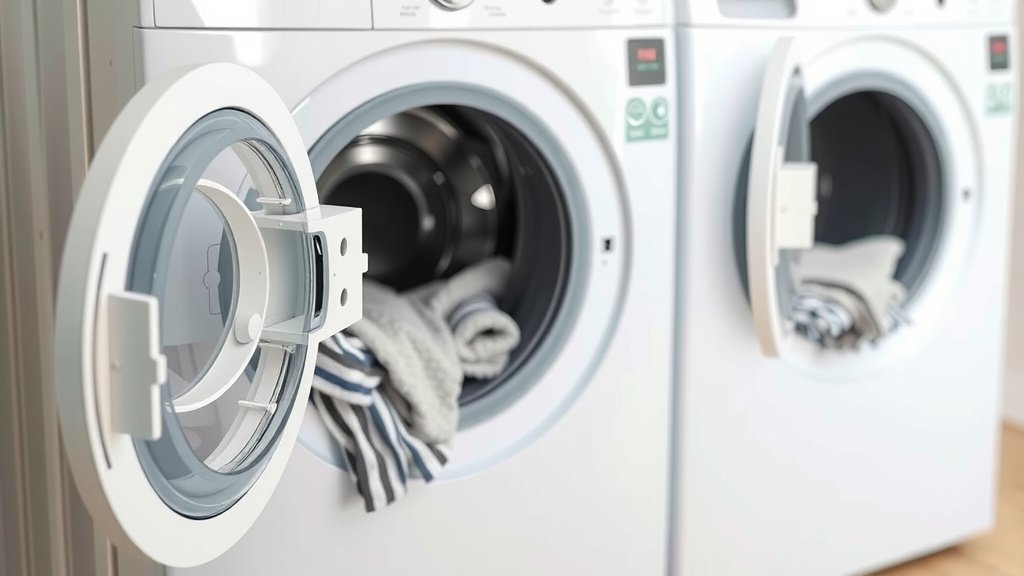
You’ll want to load your front load washer so the clothes are loose and don’t fill the drum more than 80%. Overloading can make your clothes less clean. It also puts extra strain on your machine. Think of it like a comfy dance floor for your laundry. There should be plenty of room to move!
Many people wonder if they’re using their washing machine correctly. Getting the load size right is a key part of that. It impacts both your laundry’s cleanliness and your washer’s lifespan. We found that properly loading saves water and energy too. It’s a win-win-win situation!
- Load clothes loosely, not packed tight.
- Aim for about 80% full, not stuffed.
- This ensures clothes get properly cleaned.
- It also prevents damage to your machine.
Let’s walk through exactly how to get your front load washer loaded perfectly for the best results.
“`htmlHow to Properly Fill Your Front Load Washer Drum
Getting the load size right is key to clean clothes and a happy machine. You want enough space for everything to move freely. Think of it like a lively party, not a sardine can!
The “80% Rule” for Optimal Washing
We’ve found that a good rule of thumb is to fill your front load washer drum no more than 80% full. This might sound a bit vague, so let’s break down what that really looks like.
Visualizing the Right Load Size
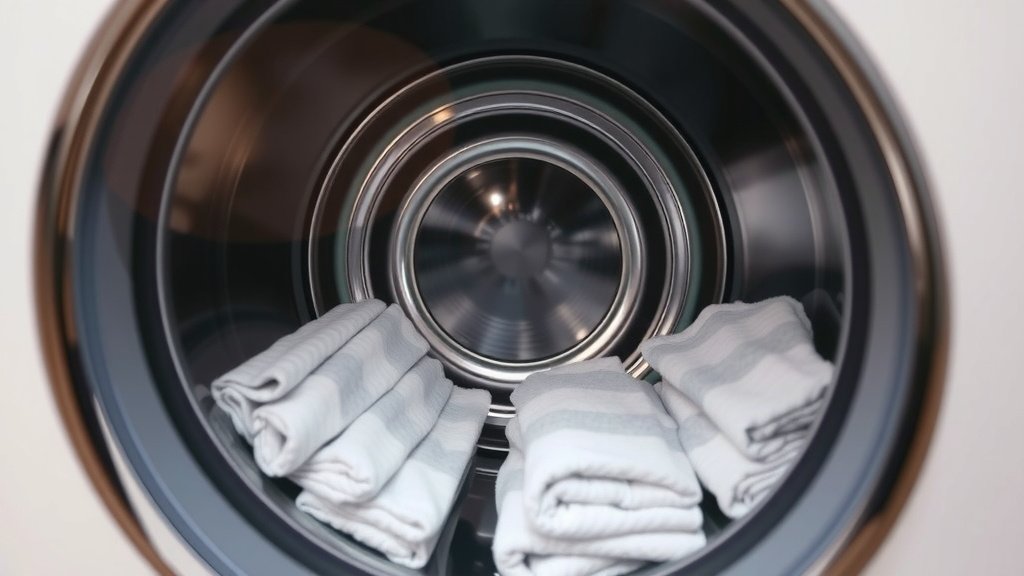
Imagine your washing machine drum. Now, picture it filled with dry laundry. If you can easily see the top of the clothes, and they aren’t bulging out, you’re likely on the right track.
When the machine is completely full, clothes can’t tumble properly. This means dirt and detergent can get trapped. It also means your clothes won’t get as clean as they should.
Why Not Pack It Full?
Packing your machine too tightly is a common mistake. It might seem like you’re saving trips to the laundromat. However, this can lead to several problems.
First, clothes need room to agitate and rinse effectively. If they’re squished together, water and detergent can’t reach all the surfaces. We’ve found that this directly impacts how clean your clothes come out.
Second, overloading puts extra stress on the washer’s motor and drum. This can shorten the lifespan of your appliance. Many appliance repair experts say that overloading is a primary cause of washer breakdowns.
The Importance of Loose Loading
Beyond just the quantity, how you load your clothes matters too. Loose loading ensures everything gets a good wash.
Allowing for Tumble Action
Front load washers work by tumbling clothes through water. This tumbling action is what gets your clothes clean. If your clothes are packed too tightly, they can’t tumble freely.
This lack of movement means certain areas of your clothes might not get washed properly. You might notice spots that still look dirty after the cycle. It’s frustrating when you thought you were getting them clean!
Ensuring Proper Rinsing
Just as important as washing is rinsing. If the drum is too full, excess water and detergent can be trapped. This can leave residue on your clothes.
This residue might not be visible at first. But over time, it can make fabrics feel stiff or even cause skin irritation. We found that many people don’t consider how this affects their laundry’s feel.
What About Different Fabric Types?
Does the type of clothing you’re washing change how much you should load?
Delicates and Smaller Loads
For delicate items, it’s often best to use a smaller load size. This provides extra cushioning and gentler tumbling. You don’t want those delicate sweaters getting tossed around too roughly.
Research indicates that washing fewer items together can protect sensitive fabrics. Consider washing delicates separately or with other light items.
Heavy Items and Towels
Heavy items like towels and jeans can absorb a lot of water. They also add significant weight to the load.
When washing these items, be extra mindful of the 80% rule. You might need to wash fewer heavy items per load. This prevents the machine from becoming unbalanced. An unbalanced load can cause loud noises and strain the machine.
How to Tell if You’ve Overloaded
Sometimes, you need a few signs to know if you’ve gone too far. Here are some common indicators of an overloaded front load washer.
Signs During the Wash Cycle
Listen to your machine. If it’s making unusual noises or vibrating excessively, it might be overloaded. The drum might also seem like it’s struggling to turn.
Another sign is that clothes are coming out still noticeably wet. This suggests water isn’t draining or spinning out properly. We found that this is a common symptom of overfilling.
Signs After the Wash Cycle
Are your clothes not as clean as you expected? Do you see soap residue or dirt streaks? These are clear signs that your laundry didn’t have enough room to move.
Check the machine’s seal and drum. If you see lint or fabric bits caught in places they shouldn’t be, it could indicate overcrowding. This means the items were likely forced into spaces they didn’t fit.
Tips for Perfect Loading Every Time
Let’s make loading your washer a breeze. Here are a few simple tips.
- Don’t pre-judge by sight alone: Sometimes a small pile of clothes can be denser than a larger, looser pile.
- Mix large and small items: This helps distribute weight better and allows for better airflow.
- Always leave space at the top: If you can’t see the top of the drum easily, it’s probably too full.
- Consider your detergent: More clothes means you might need more detergent, but don’t let that encourage overfilling.
- When in doubt, leave it out: It’s better to do an extra load than risk damaging your machine or getting poorly cleaned clothes.
Load Size and Energy Efficiency
Did you know that loading your washer correctly can also save you money? It’s true!
By washing fuller, more efficient loads, you use less water and electricity over time. Instead of running two half-empty loads, one properly filled load gets the job done. The U.S. Department of Energy recommends running full loads whenever possible (U.S. Department of Energy).
This not only helps your wallet but is also better for the environment. It’s a small change that can make a difference.
Your Quick Loading Checklist
Here’s a quick checklist to remember each time you load your machine:
- Is the drum less than 80% full?
- Can you see the top of the clothes easily?
- Do clothes look loose and not packed?
- Are you mixing different fabric weights?
- Does the drum have room to tumble freely?
Conclusion
You’ve learned how crucial proper loading is for your front load washer. Remember, aiming for about 80% full and ensuring clothes can move freely are your golden rules. This simple adjustment helps your clothes come out cleaner, extends your machine’s lifespan, and even saves energy. Don’t let your laundry become a tightly packed chore; give it the space it needs to shine. Your next step is to apply these tips during your very next load!
Frequently Asked Questions
How do I know if I’m filling my front loader too much by mistake?
Watch out for unusual noises or excessive vibration during the wash cycle. If your clothes come out wetter than normal or still dirty, it’s a strong sign you might be overloading. Check if the drum seems to be struggling to turn.
Is it okay to load my front loader completely full if I’m only washing one type of item?
Even with similar items, overfilling is a problem. Clothes still need room to tumble and rinse effectively. A completely full drum prevents proper agitation, leaving your clothes less clean and putting strain on your machine’s motor.
Can washing smaller loads more often be better than one big, overloaded load?
Generally, yes. Running a properly filled, larger load is more energy-efficient than running multiple smaller loads. However, if your “larger” load means you’re overfilling, it’s better to split it into two correctly loaded, smaller loads to protect your machine.
Does the size of my front load washer drum affect how much I can load?
Yes, absolutely. The 80% rule applies to the specific drum size of your machine. Larger drums can handle more items than smaller ones, but you still need to leave that essential space for movement and cleaning.
What should I do if I only have a few items to wash?
For very small loads, especially with delicates, you can fill the drum much less than 80%. The key is ensuring the few items you are washing have ample space to tumble gently without being excessively tossed around. Consider using a delicate cycle for these smaller washes.
![7 Best Price For Stackable Washer And Dryer [In 2026]](https://homeunderstandable.com/wp-content/uploads/2026/09/7-best-price-for-stackable-washer-and-dryer-in-2026-featured-768x432.jpg)
![7 Best Washer And Dryer Pair [In 2026]](https://homeunderstandable.com/wp-content/uploads/2026/09/7-best-washer-and-dryer-pair-in-2026-featured-768x432.jpg)
![7 Best Washing Machine For Small Space [In 2026]](https://homeunderstandable.com/wp-content/uploads/2026/08/7-best-washing-machine-for-small-space-in-2026-featured-768x432.jpg)