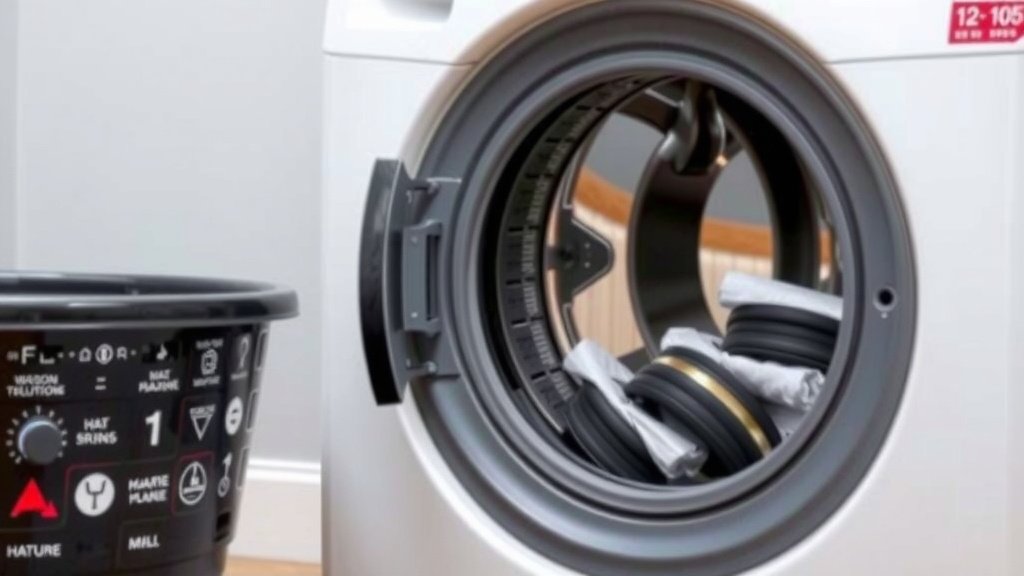
How Much to Load Your Front Load Washer: A Guide
When loading your front-load washer, you should aim to fill it about 75% full. Don’t pack clothes too tightly, as they need room to tumble freely for a proper clean. Think of it as giving your laundry some space to dance in the water.
Overloading can lead to longer wash times and clothes that don’t get fully clean. Underloading, while less common, can also be inefficient. Finding that sweet spot ensures your machine works its best and your clothes come out fresh.
- Load your front-loader about 3/4 full.
- Don’t cram clothes in tightly.
- Allow plenty of space for tumbling.
- Overloading can hinder cleaning and efficiency.
Below, we’ll walk you through exactly how to get the best results from your front-load washer with the right amount of laundry.
Determining the Right Load Size for Your Front-Load Washer
Getting the right amount of laundry in your front-load washer is key to cleaner clothes and a happier machine. Think of it like a Goldilocks situation: not too much, not too little, but just right. When we talk about the right load size, we’re really aiming for about **75% full**.
This might sound simple, but it makes a big difference. If you’re wondering, “Can I fit just a few more items?” the answer is likely no. Giving your clothes enough space is more important than cramming them in.
Why Load Size Matters So Much
Your front-load washer relies on a tumbling action to get clothes clean. Clothes need to move freely through the water and detergent. When you overfill the drum, this movement is restricted. It’s like trying to swim in a crowded pool – you can’t move effectively.
Too many items mean the water and detergent can’t reach every surface. This can leave certain spots on your clothes still dirty. You might end up rewashing items, which wastes water, energy, and your time. Plus, it puts extra strain on your machine.
The Magic Number: 75% Full
So, what does 75% full actually look like? Imagine your washer drum. You want to fill it loosely, leaving about **one-quarter of the space empty**. You should be able to see a clear gap at the top when you look inside. Your clothes should be able to tumble over each other easily.
If you have to stuff clothes in or pull them out, it’s probably too full. Don’t try to pack down the laundry. It needs room to expand and move during the wash cycle.
What If My Load Looks Too Small?
Underloading isn’t as common a problem for front-loaders, but it can happen. If you’re only washing one or two small items, the machine might not be as efficient. It uses a similar amount of water and energy for a small load as it does for a medium one.
While there isn’t a strict minimum, try to accumulate enough items for a small to medium load. For delicate items or a few essentials, it’s usually fine, but don’t make it a habit for every wash.
How to Visually Check Your Load Size
The easiest way to check is by looking at the drum. After you place your clothes inside, step back and view the top. If the clothes are piled high and touching the lid, it’s too much. You want a visible space for the clothes to move.
Another good test is the “hand test.” After loading, try to slip your hand vertically between the top of the clothes and the drum. If it goes in easily and you have room to move your hand around, that’s a good sign. If you can only just fit your fingers, it’s likely too packed.
Common Mistakes to Avoid
Many people make the mistake of thinking bigger is better when it comes to washing clothes. They might believe that a larger load means fewer trips to the laundry room. However, this often backfires.
Don’t pack clothes down. This is a common error. You might think you’re fitting more in, but you’re actually hindering the cleaning process. The clothes need air and water circulation to get clean.
Avoid washing a single bulky item alone. Things like a large comforter or a heavy blanket can throw off the balance of the machine. They also don’t have enough other items to tumble with, reducing cleaning effectiveness.
Understanding Your Washer’s Capacity
Each front-load washer has a specific capacity, usually measured in pounds or cubic feet. This information is typically found in your owner’s manual. While you don’t need to weigh every load, understanding the general capacity can help.
A larger capacity machine can handle more laundry than a smaller one. However, the 75% rule still applies regardless of the size. The drum’s internal space is what matters most for proper tumbling.
What About Different Fabric Types?
The type of fabric you’re washing can influence how much you should load. Denser items like towels and jeans take up more space and weight. Lighter items like t-shirts and delicates can be a bit more forgiving.
When washing a mixed load, pay extra attention. A load full of heavy denim might only reach 50% capacity by volume but be at the machine’s weight limit. Always prioritize volume and tumbling space over sheer quantity.
Signs Your Washer is Overloaded
Your washing machine might give you clues that it’s overloaded. One common sign is **extended wash times**. The machine might struggle to complete its cycle. You might also notice that the **clothes are still wet or noticeably dirty** after a full cycle.
Another indicator is excessive noise or vibration during the wash and spin cycles. This suggests the drum is unbalanced or struggling to rotate properly. Listen to your machine; it’s often trying to tell you something!
Signs Your Washer is Underloaded
Underloading is less problematic for the machine itself, but it’s less efficient for you. If you’re washing very small loads frequently, you’re likely using more water and energy than necessary. Your clothes might not agitate as well, potentially leading to uneven cleaning.
Think about combining smaller loads when you can. If you only have a few items, consider if they can wait for your next scheduled wash day. This conserves resources and keeps your laundry routine running smoothly.
Checklist for Perfect Loads
- Visually inspect the drum before starting a cycle.
- Aim for the drum to be **about three-quarters full**.
- Ensure clothes have **plenty of room to move**.
- Avoid stuffing or packing laundry down.
- Listen for unusual noises during operation.
- Consult your manual for specific capacity guidelines.
The Benefit of Proper Loading
By consistently loading your front-load washer correctly, you’ll see several benefits. Your clothes will come out **cleaner and fresher**. Your machine will likely last longer because it’s not being overstressed. You’ll also notice **reduced energy and water consumption**.
It might take a few tries to get a feel for the right load size for your specific machine and laundry habits. Don’t be afraid to experiment a little. You’ll soon master the art of the perfectly loaded washer drum.
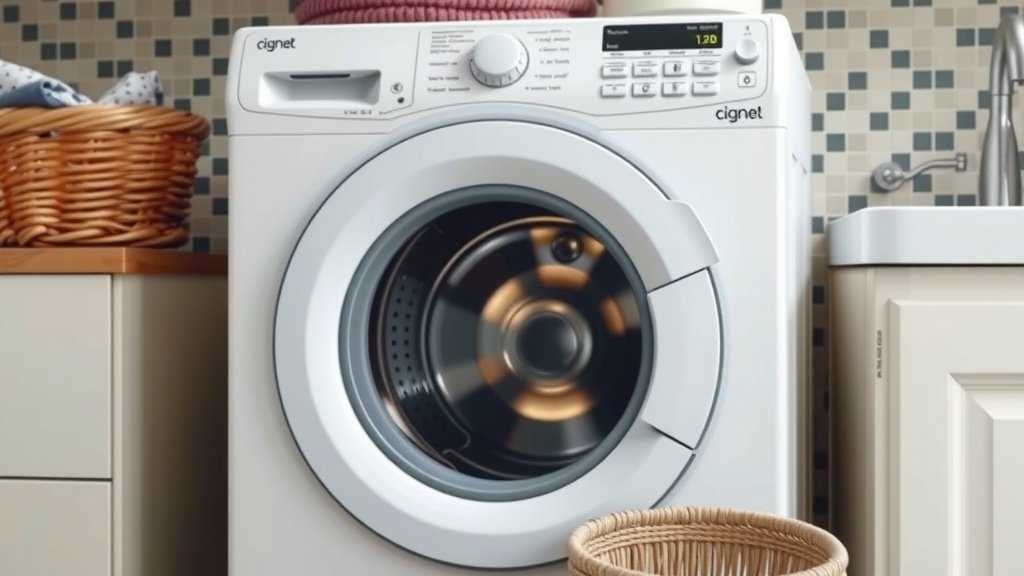
Conclusion
You’ve learned that the sweet spot for your front-load washer is about 75% full. This allows your clothes the space they need to tumble freely and get truly clean. Overloading can lead to dingy clothes and strain your machine, while underloading wastes resources. Remember the hand test: if you can easily slip your hand vertically between the clothes and the drum, you’re likely good to go. Make it a habit to visually check your load before starting. Your clothes and your washer will thank you!
Frequently Asked Questions
How do I know if I’m overloading my front-load washer?
The easiest way is to look inside. If clothes are piled high and touching the lid, it’s likely too full. You should see a clear gap at the top. If you have to force clothes in or out, it’s definitely overloaded. Your machine might also make unusual noises or vibrate excessively during cycles.
Can I wash just one or two items in my front-load washer?
While front-loaders are generally more efficient than older top-loaders, washing only one or two very small items isn’t ideal. These small loads can still use a similar amount of water and energy as a slightly larger load. It’s best to wait until you have enough items for a small to medium load if possible.
What happens if I always underload my front-load washer?
Underloading isn’t as harmful to the machine as overloading, but it’s not the most efficient use of your water and energy. Your clothes might also not agitate as well, potentially leading to uneven cleaning. Try to consolidate small loads to save resources and ensure a better wash.
Does the type of fabric affect how much laundry I can load?
Yes, it does. Denser items like towels and jeans take up more space and weigh more. Lighter items like t-shirts allow for more volume. When doing a mixed load, always prioritize giving all items enough room to tumble freely over trying to fit as much as possible.
Is it okay to pack down the laundry to fit more in?
No, you should never pack down your laundry in a front-load washer. Packing clothes prevents them from moving freely through the water and detergent. This restriction will significantly hinder the cleaning process, leaving your clothes less clean and putting unnecessary stress on your machine.



![7 Best Top-Loading Washing Machine [In 2026]](https://homeunderstandable.com/wp-content/uploads/2026/09/7-best-top-loading-washing-machine-in-2026-featured-768x432.jpg)