
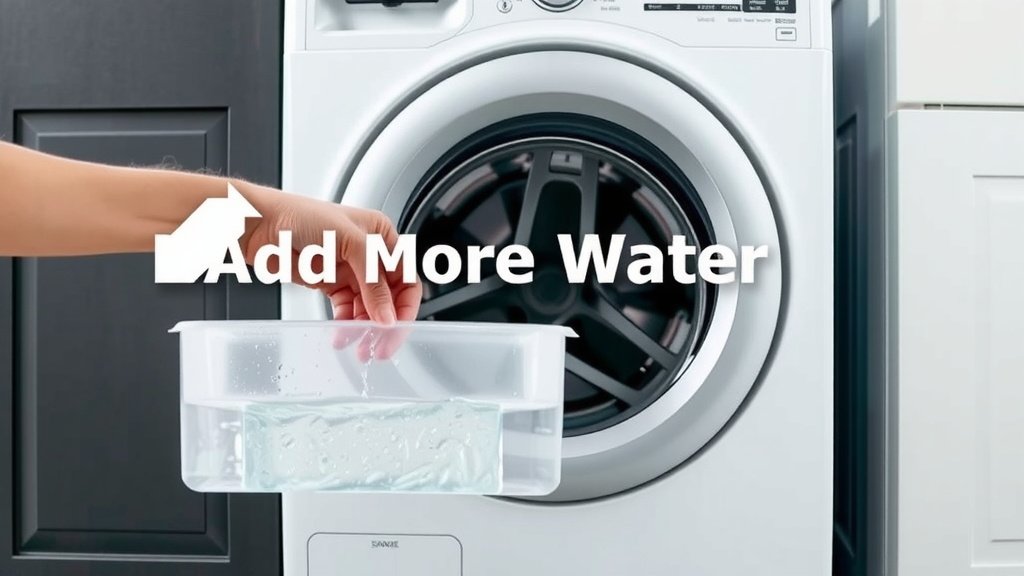
Add More Water to Front Load Washer: Tips & Tricks
Adding more water to your front-load washer is often not a direct option you can control. Modern front-loaders are designed to use less water for efficiency, but if you feel your clothes aren’t getting clean enough, there are ways to ensure a better wash. Often, the solution lies in adjusting your loading habits or detergent usage.
Many people wonder if there’s a hidden “extra water” button. While most machines don’t have this, understanding how your washer works can make a big difference. We’ve researched the common issues and found that overloading or using too much soap are frequent culprits behind less-than-sparkling results. Let’s figure out how to get your laundry truly clean.
- Front-loaders use less water by design.
- Avoid overloading the machine.
- Use the correct amount of detergent.
- Check your detergent type.
- Consider using an extra rinse cycle.
Let’s walk through exactly how to get your clothes cleaner, even with less water. We’ll cover the simple adjustments that can make a world of difference.
Getting More From Your Front-Load Washer’s Water Usage
It’s a common question: “How can I make my front-load washer use more water?” You’re not alone in wondering this. Your front-loader is designed to be a water-saving champion. This means it uses less water than older top-load machines. This design is great for your bills and the environment. But if your clothes aren’t coming out as clean as you’d like, it can be frustrating. Let’s look at why this happens and what you can do about it. You don’t always need more water to get a better clean.
Understanding Your Front-Load Washer’s Design
Front-load washers work differently. Instead of a central agitator that fills the tub with water, they tumble clothes through a smaller amount of water. This tumbling action is what does the cleaning. Think of it like a clothes dryer, but with water and detergent. This method requires much less water. It’s a key reason they are ENERGY STAR certified and water-efficient. While there isn’t usually a direct button for “more water,” understanding this process helps you optimize your washes.
The Role of Water Levels in Washing
The amount of water a washer uses is calculated by the machine’s sensors. These sensors gauge the load size. They then add just enough water to get the job done efficiently. Too much water can actually make it harder for clothes to tumble properly. This can lead to a less effective wash. On the flip side, too little water, especially with the wrong detergent or too many clothes, means dirt and grime can’t be rinsed away effectively.
Common Reasons for Clothes Not Feeling Clean
If your laundry isn’t coming out fresh, the issue might not be a lack of water itself. It’s often related to how you’re using the machine. We’ve found that two major factors can impact cleaning performance: overloading the drum and using too much or the wrong type of detergent. Let’s break these down.
The Dangers of Overloading Your Washer
This is a big one. When you stuff too many clothes into a front-loader, they can’t move freely. They clump together. This prevents water and detergent from reaching all surfaces. Imagine trying to wash a very tightly packed suitcase; things just don’t get clean. Aim to leave about a hand’s width of space at the top of the drum. This ensures clothes can tumble and agitate properly. Overloading also puts strain on your machine’s components, which no one wants.
Detergent: The Double-Edged Sword
Detergent is essential for cleaning, but more isn’t always better. Using too much detergent can create excessive suds. These suds can cushion the clothes, reducing friction and cleaning action. They can also leave residue on your garments. Many modern high-efficiency (HE) front-loaders are designed for low-sudsing detergents. Using a standard detergent in an HE machine can cause this oversudsing issue. Always check your detergent’s packaging and your washer’s manual. You’ll find clear guidance on how much to use.
Choosing the Right Detergent Type
For front-load washers, it’s best to use HE (High-Efficiency) detergents. These are formulated to create fewer suds. Regular detergents can produce too many suds. This interferes with the cleaning process and can even damage your machine over time by clogging sensors or pumps. Look for the “HE” symbol on the detergent bottle. Many experts recommend these for optimal performance in modern washers (Good Housekeeping Institute).
Are You Using Enough Detergent for the Job?
While too much detergent is a problem, so is too little. If you’re using an HE detergent but still not getting clean clothes, you might need to slightly increase the amount for heavily soiled loads. Also, consider the water hardness in your area. If you have very hard water, you might need a bit more detergent to overcome the minerals. A water hardness test kit can help you determine this.
Leveraging Your Washer’s Built-in Features
Most front-load washers come with settings that can help improve cleaning without adding more water directly. You just need to know where to find them!
The Power of the Extra Rinse Cycle
Many machines have an “Extra Rinse” or “Additional Rinse” option. Activating this cycle adds an extra fill of water and an extra spin. This helps ensure all detergent and loosened dirt are thoroughly washed away. It’s particularly useful for people with sensitive skin or for washing baby clothes. It can also help improve the rinse for heavily soiled items. Check your washer’s control panel for this option.
Selecting the Right Wash Cycle
Did you know that different wash cycles use different amounts of water and agitation? A cycle like “Heavy Duty” or “Whites” typically uses more water and has a more vigorous wash action than a “Delicates” or “Quick Wash” cycle. For loads that are particularly dirty, try selecting a more intensive wash cycle if your machine offers one. This can make a difference in how clean your clothes come out.
Simple Steps to Better Wash Results
Getting cleaner clothes from your front-load washer often comes down to a few smart adjustments. Here’s a quick checklist to help you:
- Don’t overload the drum. Leave space for tumbling.
- Use only HE detergent specifically for front-loaders.
- Measure your detergent accurately. Follow package directions.
- Choose a wash cycle appropriate for the soil level.
- Consider the “Extra Rinse” option for tough loads.
- Check your water hardness if problems persist.
By paying attention to how you load your machine and the products you use, you can significantly improve your wash results. These adjustments help your front-loader work more effectively, giving you cleaner clothes with the water it’s designed to use. It’s all about working smarter, not just wetter!
Conclusion
You’ve learned that directly adding more water to your front-load washer isn’t the goal. Modern machines are designed for efficiency, not maximum water use. The real trick to cleaner clothes lies in optimizing how you use your washer. Pay close attention to how you load your laundry, ensuring there’s enough space for tumbling. Always use the correct HE detergent and measure it carefully. By making these simple adjustments, you can achieve excellent cleaning results with the water your machine is designed to use. Start by checking your load size next time you do laundry!
Frequently Asked Questions
Can I trick my front-load washer into using more water?
While you can’t directly force your front-load washer to use more water, you can influence its sensors. Ensure you’re not overloading the drum, as this can affect how the machine measures the load and water needed. Choosing a more intensive wash cycle might also result in slightly more water usage.
My clothes still feel dingy, even with HE detergent. What else can I try?
If your clothes aren’t coming out clean, consider your detergent dosage. You might be using too little, especially if you have hard water. Try slightly increasing the amount of HE detergent according to the package directions. Also, ensure you’re selecting the appropriate wash cycle for the soil level of your laundry.
Is there a way to get more rinse water for my laundry?
Yes, most front-load washers have an “Extra Rinse” or “Additional Rinse” option. Activating this setting will add an extra fill of water during the rinse cycle. This helps ensure all detergent and loosened soil are thoroughly removed, leaving your clothes fresher.
Why does my front-loader use so much less water than my old top-loader?
Front-load washers are designed with water and energy efficiency in mind. Unlike traditional top-loaders that fill the entire tub, front-loaders tumble clothes through a smaller water volume. This method uses significantly less water while still providing effective cleaning through mechanical action.
How do I know if I’m using the right amount of HE detergent?
Always refer to the detergent manufacturer’s instructions on the packaging for the correct measurement. Most HE detergents will have clear lines on the cap or scoop. If you have very hard water, you might need a bit more detergent, so consider a water hardness test kit if you’re unsure.
![7 Best Washing Machines For Apartments [In 2026]](https://homeunderstandable.com/wp-content/uploads/2026/08/7-best-washing-machines-for-apartments-in-2026-featured-768x432.jpg)
![7 What Is The Best Stackable Washer And Dryer [In 2026]](https://homeunderstandable.com/wp-content/uploads/2026/09/7-what-is-the-best-stackable-washer-and-dryer-in-2026-featured-768x432.jpg)

![7 Who Makes The Best Compact Washer And Dryer [In 2026]](https://homeunderstandable.com/wp-content/uploads/2026/08/7-who-makes-the-best-compact-washer-and-dryer-in-2026-featured-768x432.jpg)