Compare Washing Machines: Your Expert Buying Guide
Comparing washing machines means looking at several key factors to find the best fit for your home. You should focus on Comparing washing machines means looking at several key factors to find the best fit for your home; our guide explains how to compare washing machines.capacity, energy efficiency, and wash cycles first. Matching these to your laundry habits ensures you get a machine that cleans well without wasting water or power. It’s about getting your clothes clean and saving money.
Beyond the basics, consider the type of washing machine, like top-load versus front-load. Front-loaders are often more energy-efficient. Also, think about special features such as steam cleaning or smart connectivity. These can make laundry day a little easier. Doing your homework means you’ll avoid buyer’s remorse.
- Know your budget.
- Measure your space.
- Check capacity needs.
- Compare energy ratings.
- Read user reviews.
Let’s walk through the main things to compare, step by step, so you can pick the perfect washing machine for your laundry room.
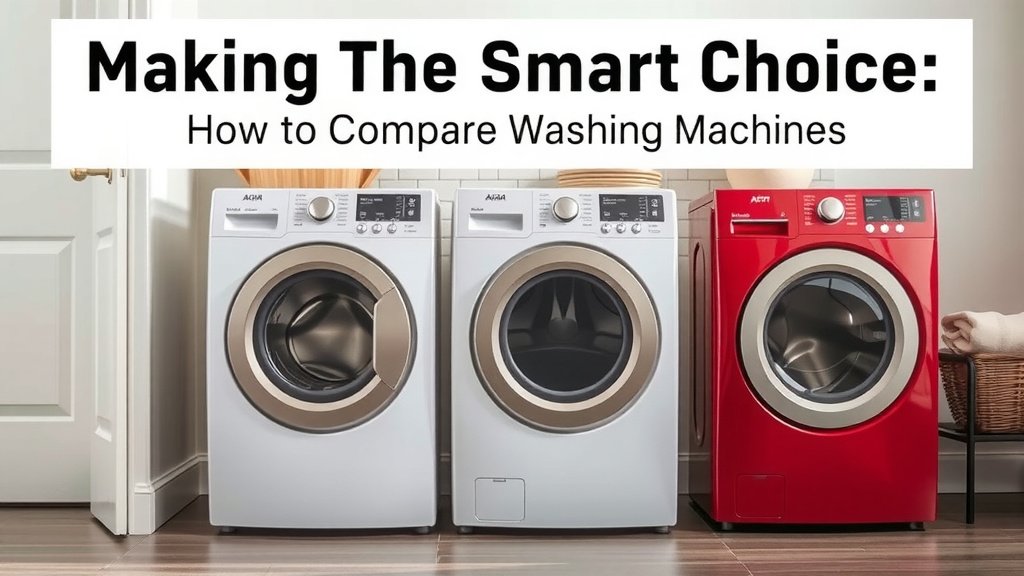
“`htmlMaking the Smart Choice: How to Compare Washing Machines
Picking out a new washing machine can feel like a big task. You want something that cleans your clothes well. You also want it to be kind to your wallet and the planet. We’ve broken down the key things to consider. This will help you find the perfect machine for your needs.
Understanding Washing Machine Types
The first big decision is the type of washing machine. This sets the stage for everything else. There are two main types most people choose from.
Top-Load Washing Machines
Top-load machines are classic for a reason. You add laundry from the top. This means you don’t have to bend over as much. Some people find this easier on their back. They often have a lower initial cost. Agitator models use a central post to move clothes. High-efficiency (HE) models usually don’t have an agitator. They use less water and are gentler on fabrics.
Front-Load Washing Machines
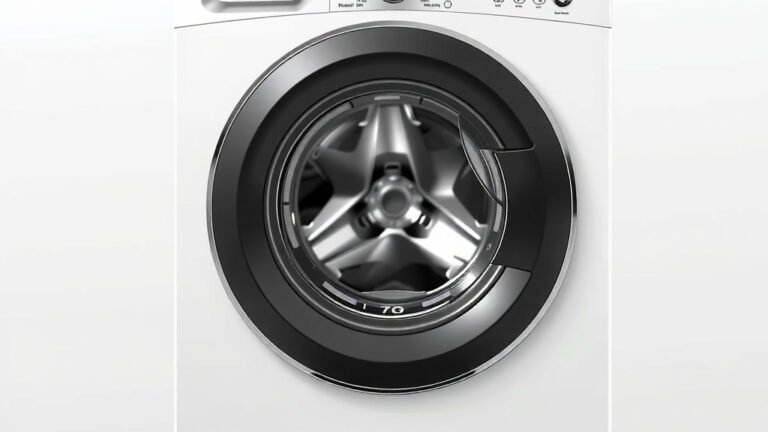
Front-load machines have a door on the front. You load them by reaching in. These are known for being very efficient. They use less water and less energy than most top-loaders. This can save you money on utility bills. They also tend to be gentler on your clothes. This is because they tumble laundry instead of rubbing it. Many people find they get clothes cleaner too.
Key Features to Compare
Once you know the type, you can dive into the details. What special features will make laundry day easier for you?
Capacity: How Much Can It Hold?
Think about your laundry habits. Do you have a big family? Do you wash lots of bulky items like comforters? Capacity is measured in cubic feet. A larger capacity means you can wash more clothes at once. This can save you time. It also means fewer loads. You might need a 2.0 to 3.5 cubic feet machine for a small household. Larger families may need 4.0 cubic feet or more.
Energy and Water Efficiency Ratings
This is where you can really save money. Look for the ENERGY STAR label. ENERGY STAR certified machines use less energy and water. They are better for the environment. The U.S. Department of Energy provides guides. These compare the water and energy use of different models. A more efficient machine costs less to run over time. This can be a big saving.
Wash Cycles and Settings
Most machines come with standard cycles like normal, delicate, and heavy-duty. But do you need more? Some machines offer specialized cycles. These include things like steam cleaning, sanitize, or allergen removal. Steam can help remove tough stains and reduce wrinkles. Sanitize cycles kill more germs. Allergen cycles are great if anyone in your home has allergies.
Understanding Specialized Cycles
Do you often deal with tough stains? A stain removal cycle might be helpful. Do you have baby clothes or bedding? A sanitize cycle is a good idea. Are you washing athletic wear? Some machines have a specific cycle for that. Think about the types of clothes you own and how you typically wash them. This will help you decide which extra cycles you actually need.
Spin Speed: Faster Means Drier
The spin speed is measured in revolutions per minute (RPM). A higher RPM means the drum spins faster. This extracts more water from your clothes. Clothes that are spun at a higher RPM will come out of the washer drier. This means they will take less time to dry in the dryer. It can also save energy if you air dry.
Noise Levels
Some washing machines can be quite loud. If your laundry room is near a bedroom or living area, this matters. Many manufacturers now list the decibel (dB) rating. Lower numbers mean a quieter machine. Some models also have features to reduce vibration. This makes them run more smoothly and quietly.
Additional Factors to Consider
Beyond the core functions, other aspects can influence your choice. Don’t overlook these details!
Durability and Reliability
You want a machine that will last. Research brands known for reliability. Look at user reviews. Many websites track repair histories for different models. A machine that breaks down often will cost you more in the long run. Consider the warranty offered by the manufacturer. A longer warranty can offer peace of mind.
Smart Features and Connectivity
Are you a tech enthusiast? Some newer machines offer smart features. You can often control them from your smartphone. This means starting a load remotely. You might get alerts when a cycle is done. Some can even diagnose problems. These features can add convenience. But they often come with a higher price tag.
Your Budget and Installation Costs
Washing machines range widely in price. Set a budget before you start shopping. Remember to factor in delivery and installation costs. Some retailers include these. Others charge extra. You may also need to consider the cost of new hoses or an anti-tip bracket. Ensure you have the proper water hookups and a drain.
Space and Installation Requirements
Measure your laundry space carefully. You need to know the width, depth, and height. Make sure there’s enough room for the machine itself. Also, consider space for opening the door. You need room to load and unload clothes. Check if the water hoses and drainpipe will reach easily. Some machines require specific venting or electrical outlets.
Quick Checklist for Comparison
Here’s a handy checklist to keep you on track:
- Capacity: Does it fit your household needs?
- Type: Top-load or front-load preference?
- Efficiency: Check ENERGY STAR ratings.
- Cycles: Do you need special wash programs?
- Spin Speed: Higher RPM means drier clothes.
- Budget: Set a price range and stick to it.
Conclusion
You’ve got the tools to pick the right washing machine. Remember to balance capacity, efficiency, and cycle needs with your laundry habits. Comparing types like top-load versus front-load is key. Always check energy ratings and read reviews for reliability. By considering your budget and available space, you’re set for success. Your next step is to use this guide as you visit stores or browse online. You’ll find a machine that makes laundry day easier for years to come.
Frequently Asked Questions
How do I know if a washing machine is energy-efficient?
Look for the ENERGY STAR label on the appliance. These machines are certified to use less energy and water than standard models. You can also check the U.S. Department of Energy’s website for comparative efficiency data. Investing in an energy-efficient model saves you money on utility bills over time.
Is a front-load or top-load washer better for my clothes?
Generally, front-load washers are gentler on your clothes. They use a tumbling action that mimics handwashing, reducing fabric wear and tear. Top-load washers, especially those with agitators, can sometimes be harsher. Consider this if you have delicate fabrics or want your clothes to last longer.
What is a good washing machine capacity for a family of four?
For a family of four, you’ll likely want a washing machine with a capacity of at least 4.0 cubic feet. This size allows you to wash larger loads, including bulky items like bedding. A larger capacity means fewer loads, saving you time and energy in the long run.
Are smart features on washing machines worth the extra cost?
Smart features, like app control and cycle notifications, add convenience. They can be worth it if you appreciate remote monitoring or want to start a load while away from home. However, they often increase the initial purchase price. Decide if these tech enhancements fit your budget and lifestyle.
How important is the spin speed (RPM) when comparing washers?
Spin speed, measured in RPM, significantly impacts how dry your clothes are after a wash cycle. A higher RPM extracts more water, meaning less time and energy needed in the dryer. If you want to cut down on drying time or use less energy for drying, opt for a machine with a higher spin speed.
![7 The Best Top Loader Washing Machines [In 2026]](https://homeunderstandable.com/wp-content/uploads/2026/09/7-the-best-top-loader-washing-machines-in-2026-featured-768x432.jpg)