
Front Load Washer: How to Load Sheets Correctly
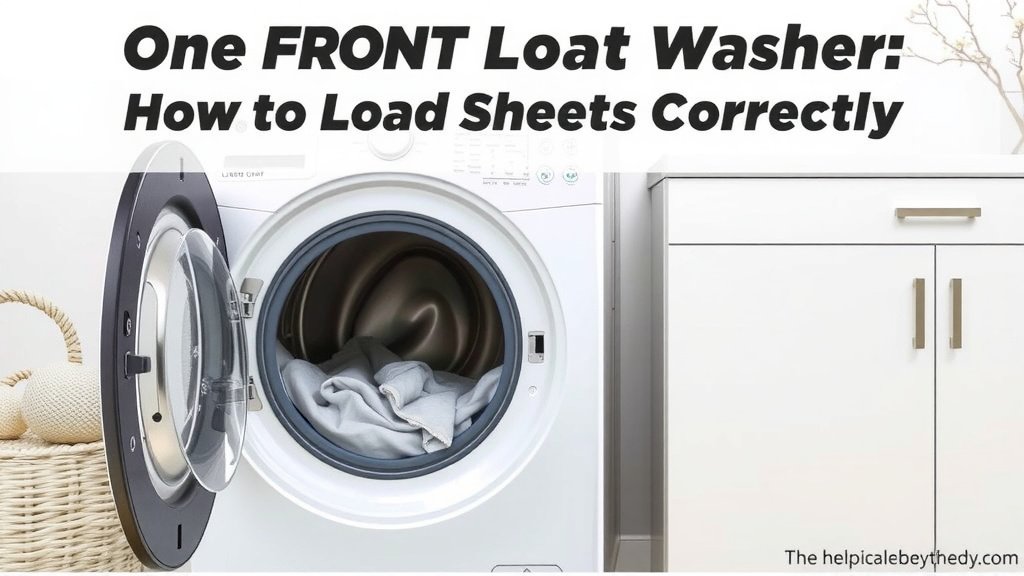
Loading your front load washer correctly is super easy. You should always load your laundry loosely, not pack it in tight. This ensures your clothes get clean and your machine works right. Don’t overfill the drum; it needs room to tumble.
Many people wonder if they’re doing it wrong. Overfilling can lead to poor cleaning and strain your washing machine. It’s about giving your clothes the best chance to move freely. This simple step helps your laundry come out fresher and your washer last longer.
- Don’t stuff clothes into the drum.
- Leave space for tumbling action.
- Check the door seal for debris.
- Add detergent based on load size.
Let’s walk through exactly how to load your front load washer for the best results, step by step.
Loading Your Front Load Washer Correctly
Properly loading your front load washer is key to getting your clothes truly clean. It also helps your machine run efficiently and last longer. Let’s break down the best way to get your laundry into that spinning drum for optimal results.
When we talk about loading, the biggest mistake people make is treating it like a stuffing contest. Think of your washer drum as a dance floor. If you pack it too tight, nothing can move, and the dance (or cleaning) doesn’t happen effectively. We found that leaving ample space is the golden rule for both sheets and everyday clothes.
Understanding Your Front Load Washer’s Needs
Front load washers rely on tumbling action to clean your clothes. This means the items need to fall and flip as the drum rotates. If the drum is too full, this tumbling is severely restricted. Your clothes won’t get the proper exposure to water and detergent needed for effective cleaning.
Why Loose Loading Matters for Sheets
Sheets, in particular, can be tricky because they’re large and bulky. They have a tendency to wrap around themselves and other items. If you stuff them in, they might create a big ball that prevents smaller items from getting clean. Research shows that allowing sheets to move freely is essential for removing dirt and stains (Cleveland Clinic).
The Tumbling Effect Explained
Imagine your laundry load as a gentle cascade. As the drum turns, items should tumble from the top to the bottom. This movement helps to agitate the fabric, dislodging dirt and allowing detergent to penetrate. Overloading stops this natural cascade. Your sheets might just sit there, or worse, become tangled and compacted.
What Happens When You Overfill?
Overfilling doesn’t just mean less clean clothes. It can also cause unnecessary wear and tear on your machine. The motor has to work harder to spin a heavy, overloaded drum. This can lead to premature breakdowns and costly repairs. Many manufacturers recommend filling the drum no more than two-thirds full, or leaving about four inches of space at the top. We found this to be a good general guideline.
Step-by-Step Guide to Loading Sheets
Step 1: Sort Your Laundry
Before you even think about loading, sorting is crucial. Separate lights from darks, and heavily soiled items from lightly soiled ones. This prevents colors from bleeding and ensures you’re using the right wash cycle and temperature for each load. We also recommend checking pockets!
Step 2: Load Sheets Loosely
Now for the sheets. Take your sorted sheets and gently place them into the drum. Don’t ball them up. Spread them out as you place them in. Think of it like placing delicate items into a box – you want them to have some breathing room. Research indicates that adequate space helps prevent wrinkles too (Good Housekeeping).
The “Hand Test” for Load Size
A simple way to check if you’ve overloaded is the “hand test.” Once your items are in the drum, try to slide your hand vertically between the top of the laundry and the top of the drum. If you can fit your hand in with some room to spare, you’re likely good to go. If it’s a tight squeeze or you can’t get your hand in, you probably need to remove some items. We found this method incredibly practical.
Step 3: Add Detergent Correctly
The amount of detergent you use depends on the load size and the detergent type. Always follow the instructions on your detergent packaging. Using too much detergent, especially in a front loader, can lead to excessive suds. This can actually hinder the cleaning process and leave residue on your clothes and inside your machine. Many experts suggest using less detergent than you might think for a front-load machine.
Detergent Compartments
Most front load washers have designated compartments for detergent, fabric softener, and bleach. Make sure you’re adding your detergent to the correct one. We recommend using high-efficiency (HE) detergent, as it’s specifically designed for low-water washing machines like front loaders.
Dealing with Different Types of Bedding
Comforters and Duvets
For larger items like comforters or duvets, it’s often best to wash them one at a time, if possible. These items absorb a lot of water and can become very heavy. Overloading the machine with multiple bulky items can strain the motor and the drum. If your washing machine manual specifies a maximum load weight, be sure to check it before washing heavy bedding.
Pillows
Wash pillows in pairs to help balance the load. Use a mild detergent and a gentle cycle. Again, ensure there’s enough space for them to tumble freely. Research from textile experts suggests that washing pillows every few months can help remove allergens and body oils.
A Quick Checklist for Perfect Loads
Here’s a simple checklist to ensure you’re loading your front load washer like a pro:
- Always sort your laundry by color and fabric type.
- Load items loosely, never packed tightly.
- Leave at least four inches of space at the top of the drum.
- Use the “hand test” to gauge load size.
- Add the correct amount of HE detergent for the load size.
- Check your washer’s manual for specific capacity guidelines.
Conclusion
You’ve now learned the simple secrets to loading your front load washer correctly, especially with sheets. Remember, the key is loose loading. Giving your laundry room to tumble freely ensures a better clean and protects your machine. You’ve got this!
Next time you do laundry, use the hand test and keep those drums from getting overstuffed. Your clothes will thank you, and your washer will last much longer. Happy washing!
Frequently Asked Questions
How much space should I really leave in my front load washer?
A good rule of thumb is to leave about four inches of space at the top of the drum. You should be able to comfortably slide your hand vertically between the laundry and the top of the drum. This ensures your clothes have enough room to tumble and get clean.
Can I wash my sheets with other clothes?
While you can, it’s often best to wash sheets separately or with lighter items like pillowcases. Large, bulky sheets can wrap around smaller items, preventing them from getting properly cleaned and potentially causing tangles. Sorting is always your friend for a better wash.
What if my sheets are still coming out wrinkled after washing?
Wrinkles can happen, but overfilling is a major culprit. Ensure you’re loading sheets loosely, allowing them to tumble freely. Promptly removing them from the washer once the cycle is done and folding or hanging them right away can also help minimize wrinkles.
Is it okay to wash a king-size comforter in my front load washer?
It depends on your washer’s capacity and the comforter’s size. Large, bulky items like comforters absorb a lot of water and can become very heavy. Always check your washing machine manual for maximum load weight. If in doubt, consider washing it at a laundromat with larger machines or washing it alone.
What kind of detergent is best for my front load washer and sheets?
You should always use a high-efficiency (HE) detergent. These are formulated for the low-water usage of front load machines. Using too much HE detergent can still cause excessive suds, so follow the product’s instructions carefully based on your load size.

![7 Washer And Dryer Set Best [In 2026]](https://homeunderstandable.com/wp-content/uploads/2026/09/7-washer-and-dryer-set-best-in-2026-featured-768x432.jpg)
![7 Best Price Washer [In 2026]](https://homeunderstandable.com/wp-content/uploads/2026/09/7-best-price-washer-in-2026-featured-768x432.jpg)
![7 Best Apartment Stackable Washer And Dryer [In 2026]](https://homeunderstandable.com/wp-content/uploads/2026/09/7-best-apartment-stackable-washer-and-dryer-in-2026-featured-768x432.jpg)
![7 Best Mini Washing Machine With Dryer [In 2026]](https://homeunderstandable.com/wp-content/uploads/2026/08/7-best-mini-washing-machine-with-dryer-in-2026-featured-768x432.jpg)