
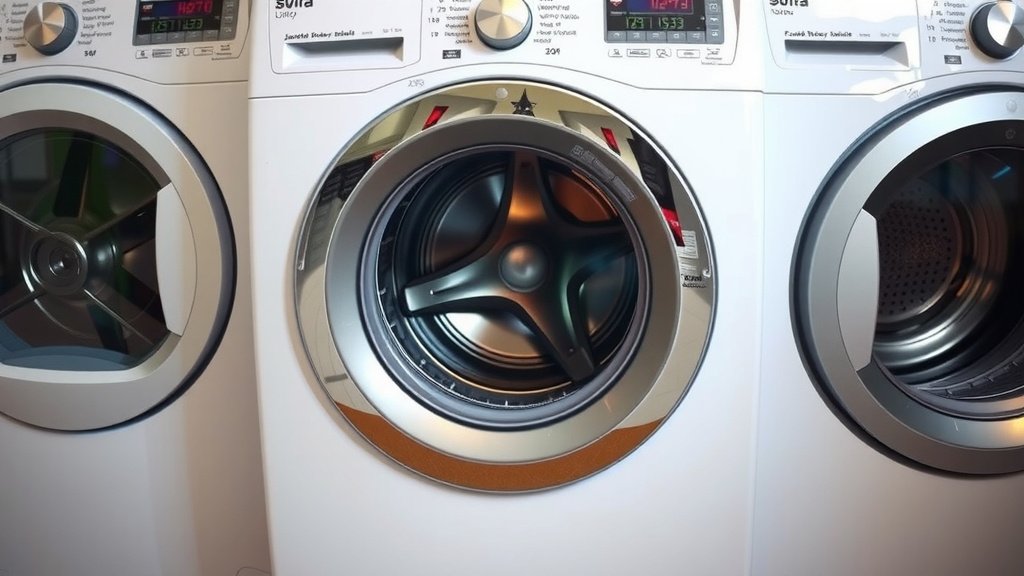
Choosing the Right Washing Machine: A Buyer’s Guide
Choosing the right washing machine means finding one that fits your space, budget, and laundry needs. Look for the capacity that matches your household size. Consider the type – top-load or front-load – based on your preferences for loading and water usage. The best machine will make your laundry day much easier.
It’s not just about getting clothes clean. Your new washing machine should also be energy-efficient to save on utility bills. Think about the features that matter most, like steam cycles or smart connectivity. We found that understanding these key factors helps prevent buyer’s remorse.
- Capacity matters for your family size.
- Top-load vs. front-load has key differences.
- Energy efficiency saves you money.
- Special features can simplify laundry day.
Ready to find that perfect machine? Let’s walk through exactly what to look for, step by step. Our guide to the best new washer and dryer set can help you find a matching pair.
HTML Code: “`htmlFinding the Best Washing Machine for Your Home
Picking the right washing machine can feel like a big decision. It’s an appliance you’ll use often. We want to help you find one that makes laundry day a little less of a chore. Let’s break down what really matters when you’re shopping.
Understanding Washing Machine Types: Top-Load vs. Front-Load
You’ve likely seen both types. They each have their own way of getting clothes clean. Understanding the differences can help you choose the best fit for your routine.
Top-Load Washers: Easy Access and Familiar Use
These are the classic machines. You load clothes into a basket from the top. Many people find them easy to load and unload. You can also add forgotten items mid-cycle. Top-loaders often have a shorter wash cycle time.
Agitator vs. Impeller Top-Loaders
Within top-loaders, there are two main styles. Agitator models have a central post. This post twists and turns clothes. Impeller models have a low-profile cone or disc. This gently moves clothes around. Many experts say impeller models are gentler on fabrics and use less water (Consumer Reports).
Front-Load Washers: Efficiency and Gentle Cleaning
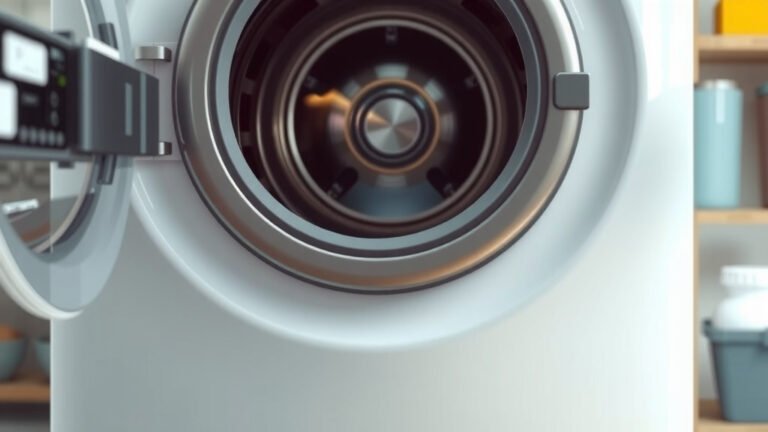
Front-loaders use a horizontal drum. Clothes tumble inside, using gravity. This method is known for being very effective at cleaning. It’s also much gentler on your clothes than many top-loaders. Front-loaders typically use less water and energy.
Pros and Cons of Front-Loaders
One big plus is their efficiency. They spin faster, meaning clothes come out drier. This can save you drying time and energy. They also tend to have more advanced wash cycles. On the flip side, they can be more expensive upfront. You also need to be mindful of potential mold or mildew. Keeping the door seal clean and dry is key (Mayo Clinic).
Capacity: Matching Your Household’s Laundry Needs
How much laundry do you actually do? This is a major factor. Washing machine capacities are measured in cubic feet. A larger capacity means you can wash bigger loads. This can save you time and trips to the laundry room.
Choosing the Right Size for Your Family
A single person or couple might be fine with a smaller capacity. We found that around 2.5 to 3.5 cubic feet is often sufficient. For a family of three to five, a medium capacity works well. Look for something in the 3.5 to 5.0 cubic feet range. Larger families or those who wash bulky items often will benefit from 5.0 cubic feet or more.
Consider Your Typical Laundry Loads
Do you wash bedding frequently? Are you always doing sports uniforms? If so, a larger machine makes sense. Trying to cram too much into a small machine can lead to poor cleaning. It can also put extra strain on the appliance. Think about your laundry habits. This will help you avoid common mistakes.
Energy and Water Efficiency: Saving Money and Resources
Washing machines use water and electricity. Choosing an energy-efficient model can save you money over time. Look for the ENERGY STAR label. This means the appliance meets strict standards for energy efficiency set by the U.S. Environmental Protection Agency.
Understanding Energy Star Ratings
ENERGY STAR certified washing machines are more efficient. They use less energy and water than standard models. This can add up to significant savings on your utility bills. Many experts point to ENERGY STAR as a reliable benchmark for efficiency (ENERGY STAR).
Water Usage: A Key Difference
Front-load washers generally use much less water than traditional top-loaders. High-efficiency (HE) top-loaders also use less water than older models. Reducing water consumption is good for the environment. It’s also good for your wallet. We found that water savings can be quite substantial over the life of the machine.
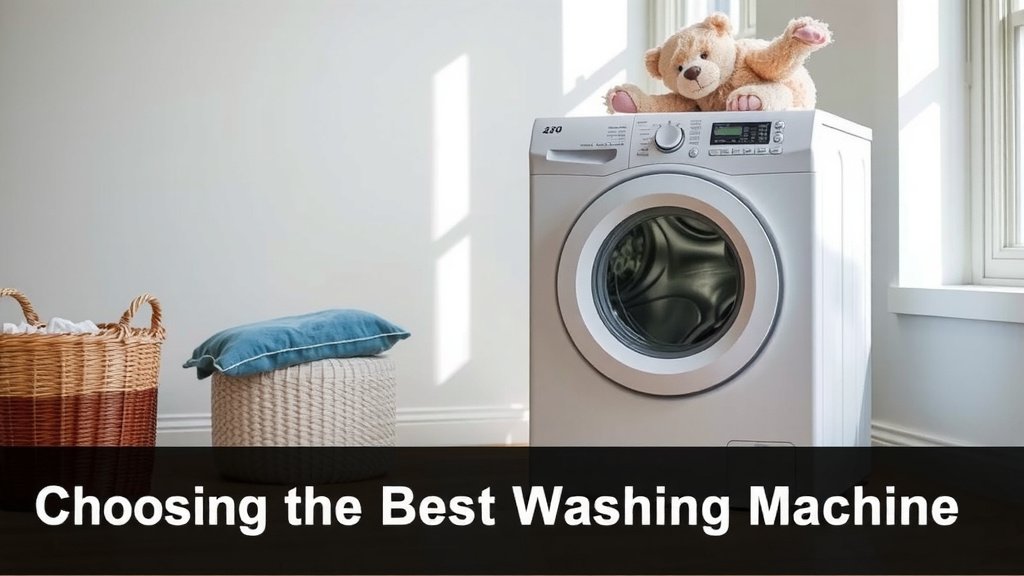
Essential Features to Look For
Beyond the basics, many machines offer features to make laundry easier. Think about what would be most helpful for you. Don’t pay for features you’ll never use.
Common and Useful Wash Cycles
Most machines come with standard cycles like Normal, Delicates, and Heavy Duty. Some offer specialized cycles. These can include Steam for sanitizing or wrinkle reduction. Others have Quick Wash for lightly soiled items. Allergy cycles can remove allergens. Think about the types of fabrics and soil levels you most often encounter. A good selection of cycles can make a big difference.
Spin Speed: Faster is Better for Drying
The spin speed is measured in Revolutions Per Minute (RPM). A higher RPM means the drum spins faster. This extracts more water from your clothes. Clothes that are less wet will dry faster. We found that models with spin speeds of 1200 RPM or higher tend to perform very well.
Smart Technology and Connectivity
Some modern washing machines connect to your smartphone. You can often start or stop cycles remotely. You can also get notifications when a load is finished. Some even offer diagnostic help. While convenient, these features often come with a higher price tag. Consider if this level of connectivity is something you truly need.
Making Your Final Choice: A Quick Checklist
Ready to narrow down your options? Keep these points in mind as you shop:
- Confirm the dimensions to ensure it fits your space.
- Decide between top-load and front-load based on your preferences.
- Select a capacity that matches your household size.
- Look for the ENERGY STAR label for efficiency.
- Identify 2-3 must-have wash cycles or features.
- Set a budget that includes potential delivery and installation costs.
Taking the time to consider these aspects will help you find a washing machine you’ll be happy with for years to come.
“`Conclusion
You’ve learned how to choose a washing machine that truly fits your life. Remember to consider your household size for the right capacity. Decide if a top-load or front-load model suits your laundry habits and preferences best. Always look for the ENERGY STAR label to ensure efficiency, saving you money on utility bills. By focusing on these key factors and useful features, you’ll find a reliable machine.
Your next step is to measure your laundry space carefully and start comparing models. You’re ready to make an informed decision for cleaner clothes and easier laundry days.
Frequently Asked Questions
How do I know what washing machine capacity I need?
Consider your household size. A single person or couple might need 2.5 to 3.5 cubic feet. Families of three to five typically do well with 3.5 to 5.0 cubic feet. If you wash bulky items like bedding often, aim for 5.0 cubic feet or more.
Are front-load washers really more efficient than top-loaders?
Yes, generally front-loaders use less water and energy. They also tend to have higher spin speeds, meaning clothes come out drier, reducing dryer time. High-efficiency (HE) top-loaders are also more efficient than older models.
What is the most important feature to look for in a washing machine?
Beyond basic cycles, look for spin speed. A higher RPM (1200 or more) means faster drying times. Also, consider specialized cycles like steam or allergy if you have specific needs. Don’t pay for smart features if you won’t use them.
How can I ensure a washing machine will fit in my laundry area?
Always measure your space before you shop. Record the height, width, and depth. Also, measure doorways, hallways, and the path to the laundry room. This prevents delivery issues and ensures your new machine fits perfectly.
Is it worth paying extra for a smart washing machine?
That depends on your lifestyle. Smart features like remote start and cycle notifications can be convenient if you’re often away from home. However, they add to the cost. If you don’t see yourself using these features regularly, a non-smart model is likely a better value.
![7 Best Compact Dryer For Apartment [In 2026]](https://homeunderstandable.com/wp-content/uploads/2026/08/7-best-compact-dryer-for-apartment-in-2026-featured-768x432.jpg)
![7 Best Stackable Electric Washer Dryer [In 2026]](https://homeunderstandable.com/wp-content/uploads/2026/09/7-best-stackable-electric-washer-dryer-in-2026-featured-768x432.jpg)
