
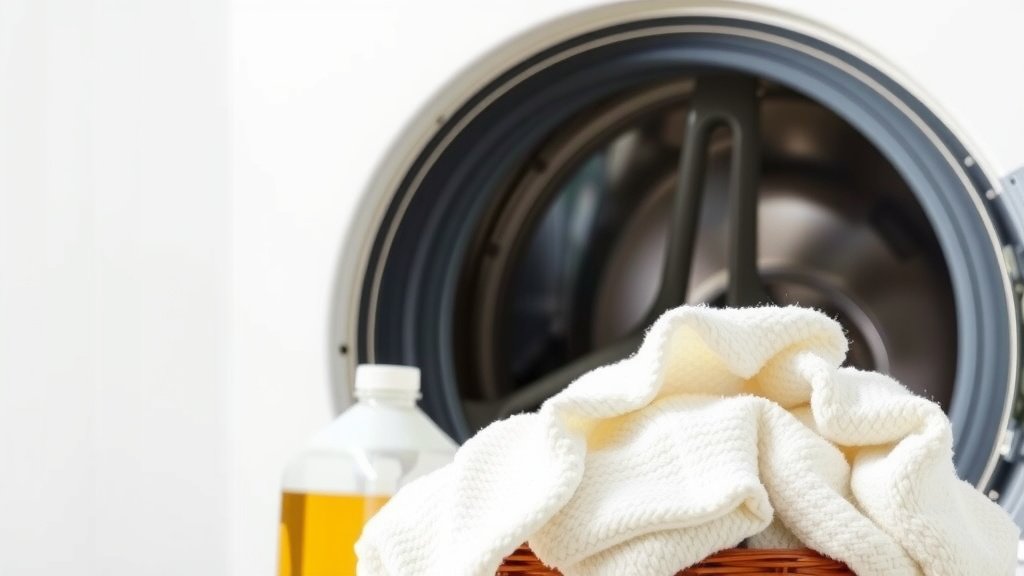
Front Loader Soaking Guide: Get Whites Whiter
Yes, you can absolutely soak clothes in a front-loader washing machine. It’s a great way to tackle tough stains or freshen up dingy fabrics. Simply fill the drum with water, add your detergent, and let your clothes sit for a while before starting a wash cycle. This pre-soak action can make a big difference.
Many people wonder if their front-loader can handle a good soak. We found that using the soak function or even just a manual soak is a smart technique for pre-treating laundry. It’s especially helpful for items that need a little extra attention beyond a regular wash. Think of it as a spa day for your clothes!
- Soaking clothes in a front-loader is possible.
- It helps remove tough stains and odors.
- You can use the machine’s soak cycle or a manual method.
- Pre-soaking can revive dingy or worn fabrics.
- It’s a gentle yet effective way to clean.
Let’s get your clothes perfectly prepped for washing. Below, we’ll walk you through the simple steps to successfully soak your laundry right in your front-loading washing machine.
Soaking Your Laundry in a Front Loader: A Simple Guide
You can definitely soak clothes right in your front-loading washing machine. It’s a straightforward process that can revitalize dingy garments or tackle stubborn stains. We found that many front-loaders are perfectly capable of handling a good soak. It’s a gentler approach than some might expect.
Why Soak Your Clothes in a Front Loader?
Soaking offers several benefits for your laundry. It allows detergents and stain removers to break down dirt and grime more effectively. This pre-treatment can be a game-changer for heavily soiled items. It’s also great for refreshing fabrics that have lost their luster over time. Many experts suggest soaking as an excellent first step for tough laundry challenges (Good Housekeeping).
Tackling Tough Stains
For those pesky, set-in stains, a good soak is your best friend. Think grass stains, wine spills, or even grease spots. Soaking helps lift these stains from the fabric fibers before they get agitated in a full wash cycle. This makes them much easier to remove later. You might be surprised at how much difference a little patience can make.
Freshening Up Dingy or Smelly Clothes
Do you have whites that have turned a bit gray? Or workout clothes that never seem to lose their odor? Soaking can help! It allows water and cleaning agents to penetrate the fabric deeply. This process helps to lift away odor-causing bacteria and dulling residues. Your clothes will come out looking and smelling significantly fresher.
Methods for Soaking in Your Front Loader
There are two main ways to soak clothes in your front-loader: using a built-in soak cycle, if your machine has one, or creating a manual soak. Both methods are effective. We’ll guide you through each one.
Method 1: Using a Dedicated Soak Cycle
Some front-loading washing machines come with a special “Soak” or “Pre-Wash Soak” cycle. This is the easiest option if you have it. You simply select this cycle, and the machine does the work for you. It will fill with water, allow the items to soak for a set period, and then often drain and proceed to a rinse or the main wash. Check your machine’s manual to see if this option is available on yours.
How to Use the Soak Cycle
1. Load your laundry into the drum as you normally would. Don’t overfill it. 2. Add your detergent or preferred soaking agent. You might use a little less than for a full wash. 3. Select the “Soak” cycle on your control panel. 4. Press start. The machine will handle the rest. 5. Once the cycle is complete, you can run a normal wash cycle or a rinse cycle.
Method 2: Creating a Manual Soak
Don’t worry if your machine doesn’t have a dedicated soak cycle! You can easily create your own manual soak. This method gives you complete control over the soaking time. It’s a little more hands-on but just as effective.
Steps for a Manual Soak
1. Load your clothes into the front-loader. Make sure not to pack the drum too tightly. 2. Add your detergent, stain remover, or a soaking booster. A good rule of thumb is about half the usual amount of detergent for a soak. 3. Manually fill the drum with water. You can do this by adding water directly. Use warm water for most fabrics, but check care labels for any restrictions. For whites, hot water is usually best. Cold water is safer for delicates or items prone to shrinking. 4. Let the clothes soak. The duration depends on what you’re trying to achieve. For general freshening, 30 minutes to an hour might be enough. For tough stains, you might soak for 2-4 hours, or even overnight for very stubborn issues. Keep an eye on the water temperature; it will cool down over time. 5. Once the soaking is complete, drain the water from the machine. Most machines have a drain/spin cycle you can run. 6. Proceed with your normal wash cycle immediately after draining.
What to Use for Soaking
Choosing the right soaking agent is important for effective cleaning. Here are some common options:
| Soaking Agent | Best For | Notes |
|---|---|---|
| Laundry Detergent | General stains and odors | Use about half the recommended amount. |
| Oxygen Bleach (e.g., OxiClean) | Brightening whites, removing stains, deodorizing | Follow package directions. Safe for most colors. |
| Baking Soda | Deodorizing and softening water | Add about 1/2 cup to the water. |
| Vinegar (White) | Deodorizing, softening fabrics, removing mildew | Use about 1 cup. Rinse well to avoid lingering smell. |
Important Considerations for Soaking Agents
Always check the care label on your garments before adding any cleaning agents. Some fabrics are sensitive to certain chemicals. For instance, wool and silk should generally be avoided with harsh detergents or bleach. Many fabric care guidelines recommend testing a new product on an inconspicuous area first (Fabric Care Institute).
Tips for Successful Soaking
To get the best results from your soaking sessions, keep these tips in mind:
- Don’t Overfill: Clothes need room to move and absorb water. A packed drum won’t soak effectively.
- Water Temperature Matters: Use warm or hot water for whites and heavily soiled items. Cold water is best for colors and delicates to prevent fading or damage.
- Monitor Soaking Time: Longer isn’t always better. Over-soaking, especially in hot water, can sometimes damage certain fabrics.
- Use the Right Amount of Detergent: Too much can leave residue. Too little won’t clean effectively.
- Check Care Labels: Always follow the manufacturer’s instructions for your specific garments.
- Rinse Thoroughly: Ensure all detergent or soaking agent is rinsed out before drying.
When to Avoid Soaking
While soaking is great, it’s not for every item. Delicate fabrics like silk, lace, or very old, fragile materials might be damaged by prolonged soaking. Always err on the side of caution if you’re unsure. Check the garment’s care tag for specific instructions. Some items might simply need a gentle hand wash instead.
Conclusion
You’ve learned that soaking clothes in your front-loader is a simple yet effective way to tackle tough stains and refresh dingy laundry. Whether you use your machine’s dedicated soak cycle or opt for a manual method, the benefits are clear. Pre-soaking allows detergents and cleaners to work deeper into the fabric, making them ideal for stubborn issues or for bringing life back to duller items. Remember to always check care labels and use the right soaking agent for the best results.
Now, go ahead and give your clothes the extra attention they deserve. Try a soak on your next load of laundry!
Frequently Asked Questions
Can I leave clothes soaking overnight in my front loader?
For most fabrics, soaking for 2-4 hours is usually sufficient. Soaking delicate items or natural fibers like wool or silk overnight might cause damage. We found that for heavily soiled items, a longer soak is helpful, but always keep an eye on them and the water temperature.
How much detergent should I use for soaking?
You should use less detergent for soaking than for a full wash cycle. We recommend starting with about half the usual amount. Too much detergent can leave residue on your clothes and in your machine, so it’s better to use less and add more if needed.
What is the best water temperature for soaking?
Warm or hot water is generally best for soaking whites and heavily soiled items to help lift stains and odors. For colored fabrics or delicates, cold water is a safer choice. It helps prevent colors from bleeding and reduces the risk of damaging delicate fibers.
Can I use bleach to soak clothes in my front loader?
You can use oxygen bleach (like OxiClean) for soaking, which is generally safe for most colors and effective for brightening and stain removal. However, you should generally avoid chlorine bleach in front-loaders unless your machine’s manual specifically allows it, as it can damage components and fabrics if not used correctly.
Will soaking damage my front-loader washing machine?
No, soaking clothes in your front-loader should not damage the machine. Front-loaders are designed to handle water and detergent. Using the dedicated soak cycle or manually soaking is well within the machine’s capabilities. Just ensure you don’t overfill the drum.


![7 The Best Stackable Washer Dryer Combo [In 2026]](https://homeunderstandable.com/wp-content/uploads/2026/09/7-the-best-stackable-washer-dryer-combo-in-2026-featured-768x432.jpg)
![7 Best Washing Machine For Condo [In 2026]](https://homeunderstandable.com/wp-content/uploads/2026/08/7-best-washing-machine-for-condo-in-2026-featured-768x432.jpg)
![7 Best Stackable Washer And Dryer Combo [In 2026]](https://homeunderstandable.com/wp-content/uploads/2026/09/7-best-stackable-washer-and-dryer-combo-in-2026-featured-768x432.jpg)