Buying a Washing Machine: Key Features to Consider
When buying a washing machine, you need to consider its capacity, type (top-load vs. front-load), and energy efficiency. These three factors will have the biggest impact on your laundry routine and your utility bills. We found that matching the machine’s size to your household’s needs is a great starting point for finding the perfect fit.
Beyond the basics, think about the different wash cycles you’ll use most often and any special features like steam cleaning or smart connectivity. Many consumers overlook these extras, but they can make a big difference in how happy you are with your purchase long-term. We found that understanding your typical laundry loads helps narrow down the options considerably.
TL;DR:
- Machine size matters for your family.
- Top-load and front-load washers have pros and cons.
- Look for Energy Star ratings.
- Consider special cycles and features you’ll actually use.
- Budget for your new appliance.
Let’s walk through exactly what you need to consider when picking out a new washing machine to make sure you get one you’ll love.
Choosing Your Next Washing Machine: What to Look For
Finding the right washing machine can feel like a big task. You want something that cleans well. It should also be easy to use and save you money on your energy bills. We’ve broken down the key things to consider to make your decision simpler.
Capacity: How Much Laundry Do You Actually Do?
First, let’s talk about size. This is often the most important factor. How much laundry does your household generate each week? Think about the number of people living with you and their laundry habits. Do you have kids who play sports? Do you wash a lot of bulky bedding?
Understanding Washing Machine Capacity
Washing machine capacity is measured in cubic feet. This tells you how much space is inside the drum. A larger capacity means you can wash bigger loads. This can save you time because you’ll do fewer loads overall.
Small Households (1-2 people)
For one or two people, a smaller capacity machine, around 2 to 3 cubic feet, is often sufficient. You can handle regular clothing items easily. This size is also great if you have limited space.
Medium Households (3-4 people)
If you have a family of three or four, you’ll likely need a medium capacity. Look for machines between 3.5 and 4.5 cubic feet. This allows you to wash a week’s worth of clothes for everyone. It can also handle larger items like towels or a small comforter.
Large Households (5+ people)
For larger families or households with very active members, a high-capacity machine is a smart choice. Aim for 5 cubic feet or more. This lets you tackle king-size comforters and multiple loads of school uniforms. You’ll definitely save time and energy.
Washer Types: Top-Load vs. Front-Load
Next up are the two main types of washing machines: top-load and front-load. Each has its own unique advantages and disadvantages. Your personal preference and how you plan to use the machine will guide this choice.
Top-Load Washers
Top-load washers have the door on top. They are generally easier to load and unload. You don’t have to bend over as much. Many people find the controls more intuitive. They also tend to be less expensive upfront.
Agitator vs. Impeller Top-Loaders
Within top-loaders, there are two styles. Agitator models have a central post that twists clothes. This can be rougher on fabrics. Impeller models use a low-profile disc at the bottom. They are gentler and offer more space for clothes.
Front-Load Washers
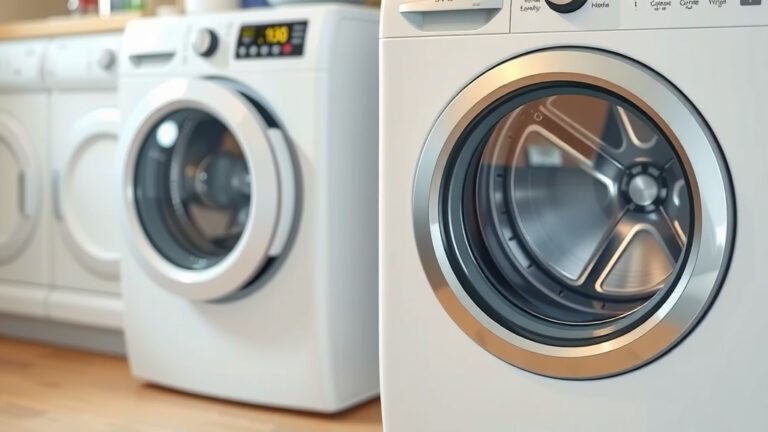
Front-load washers have the door on the front. They use a tumbling action to wash clothes. This is very gentle on fabrics. They also tend to use less water and energy. Many people find they get clothes cleaner with front-loaders.
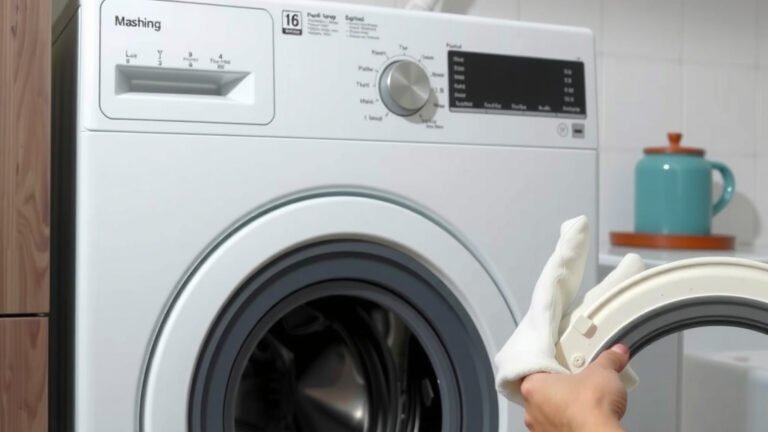
A common concern with front-loaders is bending to load and unload. However, many newer models can be placed on pedestals to raise them. This makes them much easier to use. Front-loaders can also sometimes be prone to mold or mildew if not maintained. Leaving the door ajar after use helps prevent this (Cleveland Clinic).
Energy and Water Efficiency: Saving Money and the Planet
Saving money on utility bills is a big plus. Choosing an energy-efficient washing machine is key. Look for the Look for ENERGY STAR certified models to ensure optimal energy efficiency.ENERGY STAR label. This means the machine meets strict energy efficiency guidelines set by the EPA.
Understanding ENERGY STAR Ratings
ENERGY STAR certified washers use about 50% less water and energy than older models. This translates to real savings on your monthly bills. It also means you’re doing your part to conserve natural resources.
Water Factor and Modified Energy Factor
When comparing models, you might see terms like “Water Factor” (WF) and “Modified Energy Factor” (MEF). A lower Water Factor means the machine uses less water per cycle. A higher Modified Energy Factor means the machine uses less energy. ENERGY STAR standards use these metrics to qualify machines.
Wash Cycles and Special Features: Tailoring Your Laundry Experience
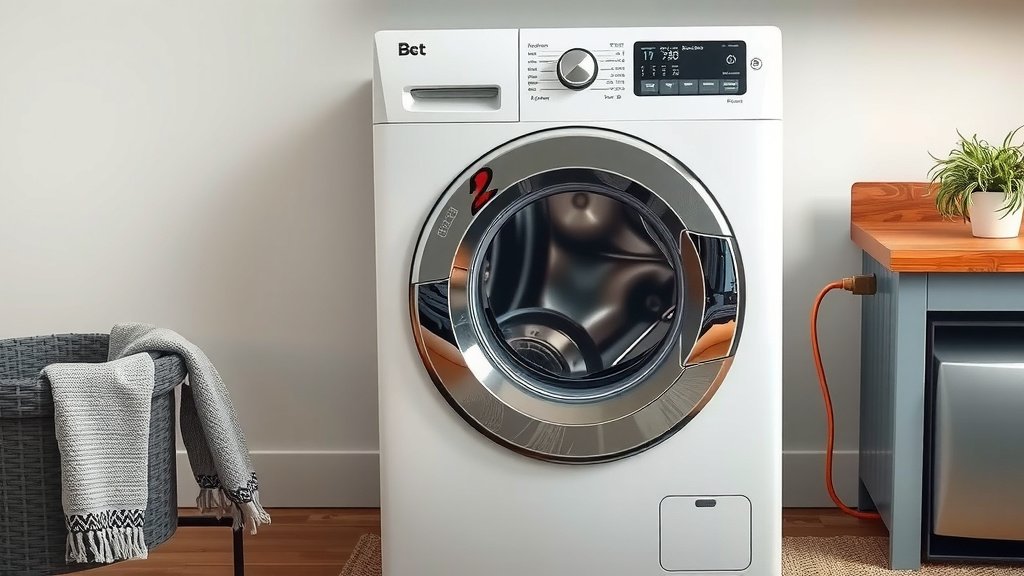
Think about your typical laundry. Do you wash a lot of delicates? Do you need a sanitize cycle for baby clothes? Many machines offer a variety of cycles to suit different needs. Consider specialized wash cycles that cater to your specific laundry needs.
Common Wash Cycles to Consider
Most machines come with basic cycles like Normal, Heavy Duty, and Delicates. However, look for others that might be useful for you. These can include:
- Quick Wash: For lightly soiled items you need fast.
- Sanitize: Uses very hot water to kill germs.
- Steam Cycle: Helps remove stains and reduce wrinkles.
- Bulky Items: Designed for large, heavy items like bedding.
Smart Features and Other Conveniences
Today’s washers offer a range of extra features. Smart connectivity allows you to control your washer from your phone. You can start, stop, or get alerts when a cycle is done. Some models have built-in dispensers that add detergent automatically. Others offer advanced stain removal options. Decide which of these “nice-to-haves” are truly useful for your lifestyle.
Budget and Long-Term Costs
Washing machines vary widely in price. It’s easy to get caught up in the most feature-rich models. However, consider your budget. Remember to factor in the long-term costs of energy and water usage.
Upfront Cost vs. Operating Cost
A more expensive, energy-efficient model might save you money over time. A cheaper machine could end up costing you more in utilities. Do a quick calculation based on your estimated usage and local utility rates. This can help justify a higher initial investment.
Reliability and Warranty
Check reviews for reliability ratings. A machine that breaks down often will cost you more in repairs. Also, look at the warranty. A longer warranty can offer peace of mind. Many experts recommend looking for warranties of at least one year on parts and labor (Consumer Reports).
Quick Checklist Before You Buy:
- Is the capacity right for your household size?
- Do you prefer a top-load or front-load machine?
- Is the machine ENERGY STAR certified?
- Are the wash cycles and features useful for you?
- Does the machine fit your budget, considering long-term costs?
- What is the warranty period offered?
Conclusion
You’ve now got a clear roadmap for choosing your next washing machine. Remember, the best machine for you balances your household’s laundry needs with your budget and energy-saving goals. Matching capacity to your family size is key. Deciding between a top-load and front-load washer comes down to personal preference and cleaning needs. Always check for ENERGY STAR certification to ensure long-term savings. Take a moment to review your laundry habits and consider the specific cycles and features that will genuinely make your life easier. Now, you’re ready to confidently select a washer that will serve you well for years to come.
Frequently Asked Questions
How often should I clean my washing machine?
It’s a good idea to clean your washing machine every 1 to 3 months. This helps prevent odors and keeps it running efficiently. Most manufacturers have specific cleaning instructions, often involving running a hot cycle with vinegar or a specialized washer cleaner.
Are front-load washers really better at cleaning clothes?
Many users report that front-load washers often provide a more thorough clean. They use a tumbling action that is gentle on fabrics while effectively removing dirt. Their higher spin speeds can also extract more water, leading to shorter drying times.
What’s the difference between an agitator and an impeller top-loader?
An agitator is a central post that twists clothes in a top-loader, which can be rougher on fabrics. An impeller is a low-profile disc at the bottom of the drum that uses paddles to move clothes. Impellers generally offer more wash space and are gentler on laundry.
How do I know if a washing machine will fit in my laundry space?
Always measure your laundry space before shopping. You’ll need to measure the width, depth, and height. Also, account for space needed for door swings, ventilation, and hose connections. It’s better to have a little extra room than not enough.
Can I install a washing machine myself?
While some handy individuals can install a washing machine, it’s often recommended to hire a professional. Proper installation ensures correct water and drain connections, electrical safety, and optimal performance. Incorrect installation can lead to leaks or damage.