
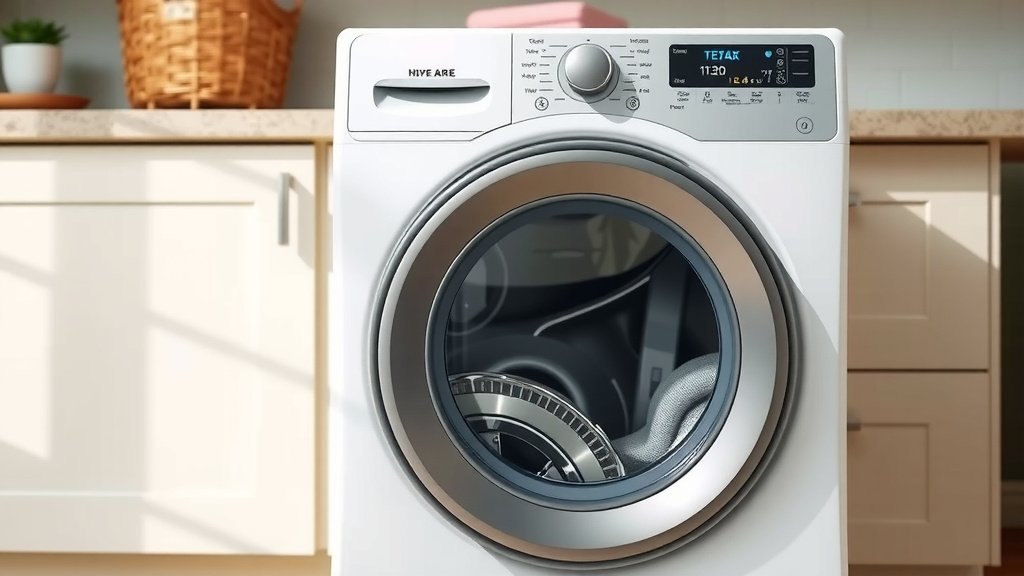
How to Store Your Front Load Washer Safely
Storing your front load washer properly involves more than just unplugging it. You need to remove all water to prevent freezing and damage. This simple step can save you a lot of trouble later.
When storing a washing machine, especially one with a front load design, thinking about winterizing is key. We found that ensuring all hoses are drained and the machine is clean protects its internal parts. This is important for your appliance’s long-term health.
- Drain all water from the machine.
- Clean the drum and rubber seal.
- Disconnect hoses and drain them.
- Protect from freezing temperatures.
Below, we’ll walk you through exactly how to store your front load washer step by step, making sure it’s ready to go when you need it next.
Getting Your Front Load Washer Ready for Storage
Storing your front load washer might seem straightforward, but there are a few essential steps. These ensure your machine stays in great shape. We found that preventing water damage is the top priority. This protects the sensitive internal components.
Emptying All Water: The First Defense
Your primary goal is to get every last drop of water out. This is critical, especially if you live in an area with freezing temperatures. Even a small amount of water can expand when it freezes. This expansion can crack plastic parts or even damage the drum. Many appliance manuals stress this point for good reason.
Draining the Drum
First, you’ll need to drain the main tub. Most front load washers have a small drain pump filter door at the bottom front. You’ll want to place a shallow pan or tray underneath this. Carefully open the filter cap. Expect some water to come out, so be ready. Let it drain completely. Once empty, replace the filter cap securely. This step is super important to prevent freezing.
Clearing the Hoses
Next, let’s tackle the hoses. You’ll need to disconnect both the fill hose and the drain hose. Turn off the water supply valves before you do this. Have a bucket or shallow pan ready for residual water. Gently detach the hoses from the machine. Allow any water trapped inside to flow out. You can even hang them lower than the connection point to help them drain fully.
Cleaning for Long-Term Care
A clean machine is a happy machine, even when it’s not in use. Cleaning prevents mold and mildew. It also keeps seals from sticking. This proactive cleaning adds years to your washer’s life. We found that a little effort now saves a lot of headaches later.
Wiping Down the Drum
After draining, give the drum a good wipe-down. Use a soft cloth dampened with water and a mild detergent. Make sure to get into all the nooks and crannies. You want to remove any lingering detergent residue or fabric softener. Leaving these can attract unwanted guests, like mold.
Don’t Forget the Rubber Seal
The rubber gasket around the door is a prime spot for moisture and grime. This is where mold loves to hide. Wipe it thoroughly. Pull back the folds of the seal to ensure you get everything. A diluted bleach solution can be used for tough spots, but rinse well afterward. Many manufacturers recommend this thorough cleaning.
Cleaning the Dispenser Drawer
Pull out the detergent and fabric softener dispenser drawer. Wash it with warm, soapy water. You can use an old toothbrush to scrub away any buildup. Ensure it’s completely dry before putting it back. This prevents that musty smell from taking hold.
Final Preparation Before Storage
We’re almost there! A few more steps will ensure your washer is truly ready for its break.
Leaving the Door Ajar
Once everything is clean and dry, leave the main door slightly ajar. This allows for continued air circulation. It helps prevent any trapped moisture from causing problems. Think of it as letting your washer breathe a little.
Protecting Against Freezing Temperatures
If you’re storing the washer in an unheated space, like a garage or shed, you need extra protection. We found that appliance storage bags can be helpful. They offer a layer of defense against dust and moisture. For extreme cold, some people use RV antifreeze in the drain lines and pump. This is a more advanced step, but it’s very effective. Always check your manufacturer’s specific recommendations for cold weather storage.
Securing Loose Parts
Make sure any detachable cords or hoses are neatly secured. You don’t want them dangling. Consider wrapping the power cord and tucking it away. If you have hoses you removed, store them nearby. This makes setup easier when you retrieve the washer.
| Step | Action | Why it Matters |
|---|---|---|
| 1 | Drain all water | Prevents freezing and component damage. |
| 2 | Clean drum and seal | Stops mold, mildew, and odors. |
| 3 | Dry all surfaces | Ensures no residual moisture issues. |
| 4 | Leave door open | Allows air circulation. |
| 5 | Secure cords/hoses | Keeps everything tidy and prevents damage. |
| 6 | Protect from cold | Essential if storing in freezing conditions. |
Following these steps ensures your front load washer is well-protected during storage. It will be ready to go when you need it next without any surprises. Taking these simple precautions is a smart move for your appliance.
Conclusion
You’ve learned how to properly prepare your front load washer for storage, and it’s simpler than you might think. By focusing on draining all water and giving your machine a thorough clean, you’re protecting it from freezing temperatures and potential mold growth. Taking these steps ensures your washer remains in excellent condition. When you’re ready to use it again, it will be just as you left it. For your next steps, make sure to store it in a protected location, away from extreme weather. You’ve got this!
Frequently Asked Questions
How much water do I really need to get out?
You need to drain absolutely all the water you can. Even a small amount left in the pump or hoses can freeze and expand. This expansion can cause serious damage to plastic parts and the drum. We found that thorough draining is the most important step for preventing freezing.
Can I use my regular household cleaner for the drum and seal?
For general cleaning, yes, a mild detergent mixed with water is usually fine. If you notice any stubborn spots or signs of mildew on the rubber seal, a diluted bleach solution can be effective. Just be sure to rinse thoroughly afterward to remove any cleaning product residue.
What if I can’t access the drain pump filter easily?
Consult your washer’s user manual. It will show you the exact location of the filter and the correct procedure for draining it. If you’re still unsure, it might be best to call a qualified appliance technician. Improperly draining can lead to leaks or damage.
Is it okay to just unplug it and leave it if it’s in a heated space?
Even in a heated space, it’s best practice to drain the water and clean the machine. Residual water can still cause odors or support mildew growth over time. Leaving the door ajar also helps maintain air circulation. Your washer will thank you for the extra care.
How long can I store my front load washer?
When stored correctly, your front load washer can last for many months, or even years, without issue. The key is ensuring all water is removed and the interior is clean and dry. Protecting it from dust and extreme temperatures will maximize its lifespan in storage.

![7 Best Stackable Washer/Dryer [In 2026]](https://homeunderstandable.com/wp-content/uploads/2026/08/7-best-stackable-washer-dryer-in-2026-featured-768x432.jpg)

![7 Best Brand For Stackable Washer And Dryer [In 2026]](https://homeunderstandable.com/wp-content/uploads/2026/09/7-best-brand-for-stackable-washer-and-dryer-in-2026-featured-768x432.jpg)