
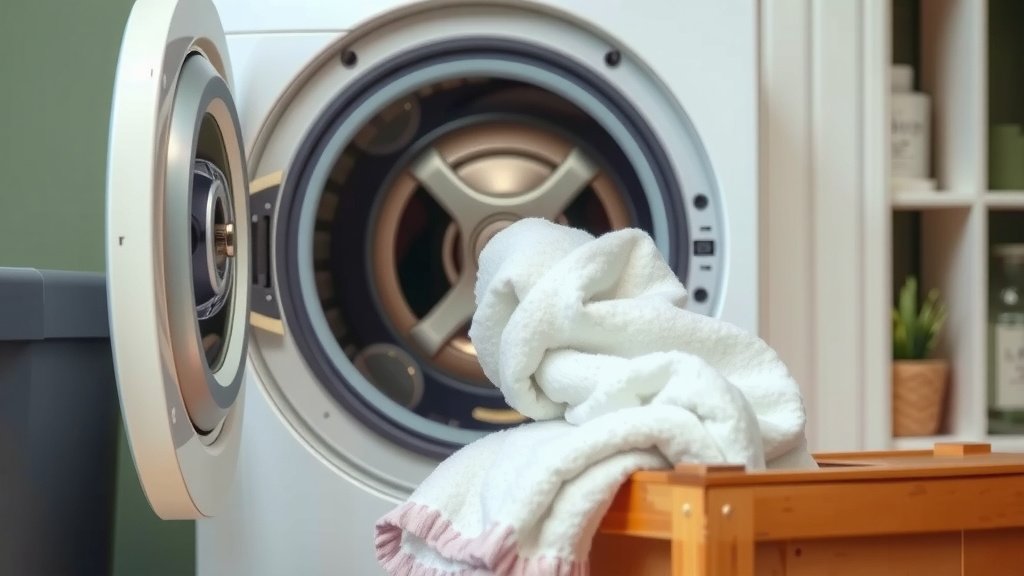
Front Loader Bleach Wash: A Safe & Effective Guide
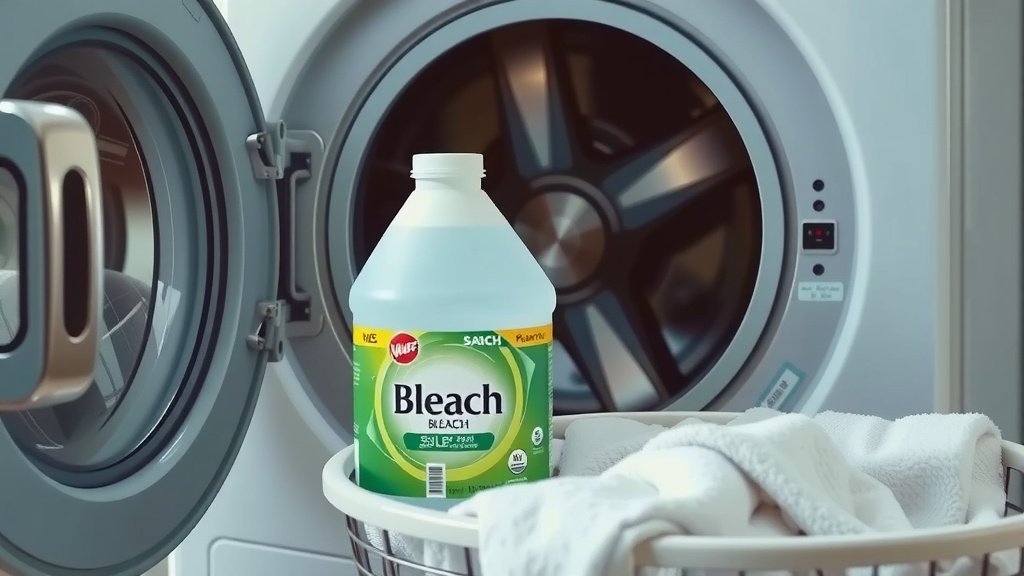
Yes, you can wash with bleach in a front-loader washing machine, but it requires careful dilution and attention to prevent damage. The key is to never pour undiluted bleach directly onto your clothes or into the drum. Always use the dispenser drawer for bleach, which is designed to release it at the right time during the wash cycle.
Using bleach in front-loaders is a bit different than in top-loaders. Many machines have a specific compartment for bleach. This helps ensure it’s properly diluted and mixed with water before it reaches your laundry. Overuse or incorrect application can damage fabrics and your machine’s components.
- Always use the bleach dispenser.
- Never pour undiluted bleach directly on clothes.
- Check your machine’s manual for specific instructions.
- Use bleach only on white or bleach-safe items.
- Dilute bleach if your machine doesn’t have a dispenser.
Let’s walk through exactly how to safely use bleach in your front-loading washing machine.
Using Bleach Safely in Your Front-Load Washer
Washing with bleach in a front-loader is definitely doable! You just need to be a little more careful than with a top-loader. Think of your front-loader as a bit more sensitive, like a fancy sports car. It needs specific care to keep running smoothly. We found that the biggest mistake people make is pouring bleach directly into the drum. This can damage your clothes and the machine’s components.
Understanding Your Bleach Dispenser
Most front-load washers have a special compartment for bleach. This is usually in the detergent drawer. It’s designed to release the bleach at the correct time during the wash cycle. This ensures it gets properly diluted and mixed with water before reaching your clothes.
Locating the Dispenser Drawer
Your detergent drawer likely has multiple compartments. One is for pre-wash detergent, one for main wash detergent, and another, often smaller, marked with a triangle or the word “Bleach” or “Liquid Bleach.” If you’re unsure, your washing machine’s manual is your best friend here. It will show you exactly where each compartment is for.
Why the Dispenser Matters
Using the dispenser drawer is not just a suggestion; it’s a critical step. When bleach is released from this compartment, it’s mixed with a significant amount of water. This dilution is what prevents harsh chemicals from directly attacking your fabrics. We found that bypassing this step is a primary cause of premature wear on clothing and machine parts.
Prepping Your Load for Bleaching
Before you even think about adding bleach, you need to prep your laundry. Not everything is bleach-safe, and mixing colors can lead to disaster. Let’s make sure you’re ready to go!
Sort Your Laundry Carefully
This is non-negotiable. You should only wash whites or items specifically labeled as bleach-safe with bleach. If you’re unsure about a white item, check the care tag. Mixing colors, even light ones, with bleach can result in permanent color loss. We learned that even a tiny bit of color can bleed and ruin your whites.
Check Fabric Care Labels
Always look for the care label on your garments. You’ll often see symbols indicating whether bleach can be used. A crossed-out triangle means no bleach. An empty triangle typically means any type of bleach is okay. If there’s no symbol or you’re still unsure, it’s best to err on the side of caution and skip the bleach. The U.S. Consumer Product Safety Commission advises checking these labels.
Inspect for Stains and Damage
Before adding anything to the wash, give your clothes a quick once-over. Are there any tears or weak seams? Bleach can weaken already stressed fibers. It’s better to mend small issues before washing with harsh chemicals. We found that weakened seams can unravel during the wash cycle.
Adding Bleach to Your Front-Loader
Now for the moment of truth. Adding the bleach correctly is key to a successful and safe wash. Remember, less is often more with bleach.
Measure the Correct Amount
The amount of bleach you need depends on your load size and the bleach product. Most standard bottles will have measuring lines on the cap. A common recommendation is about 1/2 cup for a normal load. For heavily soiled items, you might go up to 3/4 cup, but never exceed the amount recommended by your machine manufacturer or the bleach product. Many experts recommend starting with less and seeing if it’s effective.
Use the Dispenser Compartment
Pour your measured liquid bleach into the designated bleach dispenser. Ensure you don’t overfill it. If your bleach has splashed onto the outside of the dispenser, wipe it clean before closing the drawer. This prevents accidental contact with other laundry items or machine parts.
What If Your Washer Lacks a Dispenser?
If, by chance, your front-loader doesn’t have a dedicated bleach dispenser, you’ll need to dilute the bleach manually. Do this just before adding it to the wash. Mix the measured bleach with about 1 to 2 cups of cool water in a separate container. Then, add this diluted mixture to the drum after the machine has started filling with water. This ensures it’s diluted enough before hitting your clothes. This method is a last resort and requires extra attention, according to many appliance repair professionals.
| Item Type | Bleach Type | Amount (Typical) | Notes |
|---|---|---|---|
| Whites (Cotton, Linen) | Chlorine Bleach | 1/2 cup | Use dispenser. Check care tag. |
| Bleach-Safe Colors | Oxygen Bleach | 1 cup | Safer for colors. Check care tag. |
| Delicate Whites | Oxygen Bleach (preferred) | 1/2 cup | Test in an inconspicuous area first. |
Running the Wash Cycle
With the bleach added, you’re almost there! The machine will do most of the work, but you need to select the right settings.
Select the Correct Wash Cycle
Use a normal or heavy-duty cycle for whites with chlorine bleach. For items where you’re using oxygen bleach or if you’re concerned about fabric integrity, a delicate or permanent press cycle might be better. Ensure the water temperature is warm or hot, as this helps activate the bleach more effectively. The CDC notes that hotter water temperatures can help with disinfection.
Avoid Overloading the Machine
Don’t pack your front-loader too tightly. Clothes need room to tumble and agitate properly. Overloading can prevent the bleach from circulating effectively. It also means your clothes won’t get as clean. A good rule of thumb is to leave a few inches of space at the top of the drum.
Post-Wash Steps and Precautions
Once the cycle is complete, there are still a few things to keep in mind to ensure your clothes and machine stay in good condition.
Remove Laundry Promptly
Don’t let wet clothes sit in the washer for too long after the cycle ends. Lingering moisture can sometimes react with residual bleach, potentially causing discoloration or odors. Promptly move your laundry to the dryer or to air dry.
Clean the Dispenser Drawer
After you’ve unloaded your laundry, take a moment to rinse out the bleach dispenser. This prevents any dried residue from building up. We found that a quick rinse with water is usually sufficient. Periodically, you might want to remove the drawer entirely for a more thorough cleaning.
When to Reconsider Using Bleach
Bleach is a powerful tool, but it’s not always the answer. For delicate fabrics like silk, wool, or spandex, it’s generally best to avoid bleach altogether. Even some synthetics can be damaged. If you’re dealing with old, set-in stains, sometimes a dedicated stain remover works better and is gentler. It’s always wise to consult fabric care labels and consider alternative methods if you’re uncertain.
Quick Checklist for Bleach Washing
- Check garment care tags for bleach compatibility.
- Sort whites or bleach-safe items only.
- Use the designated bleach dispenser compartment.
- Measure bleach carefully; do not overfill.
- Run a normal or appropriate cycle with warm/hot water.
- Remove clothes promptly after washing.
Conclusion
You’ve learned that washing with bleach in your front-loader is perfectly achievable with a little care. The main takeaway is to always use the designated dispenser and never pour undiluted bleach directly onto your clothes. Remember to sort your laundry meticulously, checking care labels to ensure items are bleach-safe. By following these steps, you can effectively brighten your whites and sanitize your laundry without harming your machine or fabrics. Your next step is to gather your bleach and check your dispenser before your next load of whites.
Frequently Asked Questions
Can I use bleach in every front-load washing machine?
Most front-load washing machines are designed to handle bleach safely, but always consult your owner’s manual first. Some machines may have specific recommendations or warnings about bleach use. Your manual is the best resource for confirming compatibility with your model.
What happens if I put bleach directly into the drum of my front-loader?
Putting bleach directly into the drum can cause severe damage. The undiluted bleach can weaken fabric fibers, leading to tears or holes. It can also corrode rubber seals and metal parts within your machine, leading to costly repairs.
How much bleach should I use in a front-loader?
The amount of bleach needed typically ranges from 1/4 cup to 1/2 cup for a standard load. Always refer to the bleach manufacturer’s instructions and your washing machine’s manual. Using too much bleach can be just as harmful as using it incorrectly.
Is it safe to use bleach on colored clothes in a front-loader?
Generally, chlorine bleach should only be used on white fabrics. For colored clothes, opt for an oxygen-based bleach if the care label permits. Oxygen bleaches are much gentler and less likely to cause color fading or damage to dyed fabrics.
How often should I clean the bleach dispenser drawer in my front-loader?
It’s a good practice to rinse out the bleach dispenser after each use to prevent residue buildup. We recommend a more thorough cleaning by removing the drawer entirely at least once a month. This helps ensure proper function and prevents any lingering bleach from affecting future detergent cycles.
![7 Best Washing Machine [In 2026]](https://homeunderstandable.com/wp-content/uploads/2026/09/7-best-washing-machine-in-2026-featured-768x432.jpg)
![7 Best Stackable Washer And Dryer Reviews [In 2026]](https://homeunderstandable.com/wp-content/uploads/2026/09/7-best-stackable-washer-and-dryer-reviews-in-2026-featured-768x432.jpg)
![7 Best Stacked Washer Dryers [In 2026]](https://homeunderstandable.com/wp-content/uploads/2026/09/7-best-stacked-washer-dryers-in-2026-featured-768x432.jpg)
![7 Best Combo Washer And Dryer [In 2026]](https://homeunderstandable.com/wp-content/uploads/2026/09/7-best-combo-washer-and-dryer-in-2026-featured-768x432.jpg)