How to Wash Your Front Load Washing Machine
The easiest way to wash your front-load washing machine is to run a cleaning cycle with hot water and a specialized washer cleaner. This process helps remove mold, mildew, and odor-causing residue. You should aim to clean your front-loader at least once a month to keep it running efficiently and smelling fresh.
Neglecting regular cleaning can lead to a smelly machine and potentially affect your laundry’s cleanliness. We found that even with daily use, simple maintenance can prevent common issues. Keeping your gasket and dispenser drawers clean is also part of a thorough wash.
- Run a hot water cleaning cycle monthly.
- Use a dedicated washing machine cleaner.
- Wipe down the door seal (gasket) regularly.
- Clean the detergent dispenser.
Below, we’ll walk you through the simple steps to get your front-load washer sparkling clean and smelling great.
“`htmlKeeping Your Front-Load Washer Sparkling Clean
Your front-load washing machine works hard to keep your clothes fresh. But over time, it can build up soap scum, mold, and mildew. This can lead to unpleasant odors and even transfer grime back onto your laundry. Fortunately, a simple cleaning routine can prevent these issues. We found that a monthly deep clean is the best way to maintain its performance and hygiene.
Why Cleaning Your Front-Load Washer Matters
Have you ever pulled clothes out of the washer only to notice a strange smell? That’s often a sign your machine needs attention. Front-loaders, with their airtight doors, can trap moisture. This creates a perfect environment for mold and mildew to grow, especially around the rubber door seal (gasket). This can not only make your laundry smell musty but can also affect the overall cleanliness of your clothes. Regular cleaning prevents this buildup, ensuring your machine washes effectively.
Preventing Mold and Mildew Buildup
The primary reason for cleaning is to combat mold and mildew. These fungi thrive in damp, dark places, and the inside of your washing machine is just that. We found that even with regular use, moisture can linger. This is particularly true for the rubber gasket around the door, which can collect lint, hair, and detergent residue. This residue acts as food for mold and mildew, leading to those dreaded smells.
Ensuring Laundry Comes Out Truly Clean
A dirty washing machine can’t give you truly clean clothes. Residue left inside can transfer to your laundry. This means your clothes might come out looking clean but still carrying a faint odor. Many experts say that a clean machine is essential for clean laundry (Cleveland Clinic). By regularly cleaning your washer, you ensure that it’s a tool for hygiene, not a source of contamination.
Your Monthly Front-Load Washer Cleaning Checklist
Ready to give your washer some TLC? Here’s a simple breakdown of what you need to do each month. It’s less of a chore and more like a spa day for your machine!
- Run a cleaning cycle with hot water.
- Use a specialized washer cleaner or white vinegar.
- Wipe down the door seal and glass.
- Clean the detergent and fabric softener dispenser drawers.
- Leave the door ajar after use.
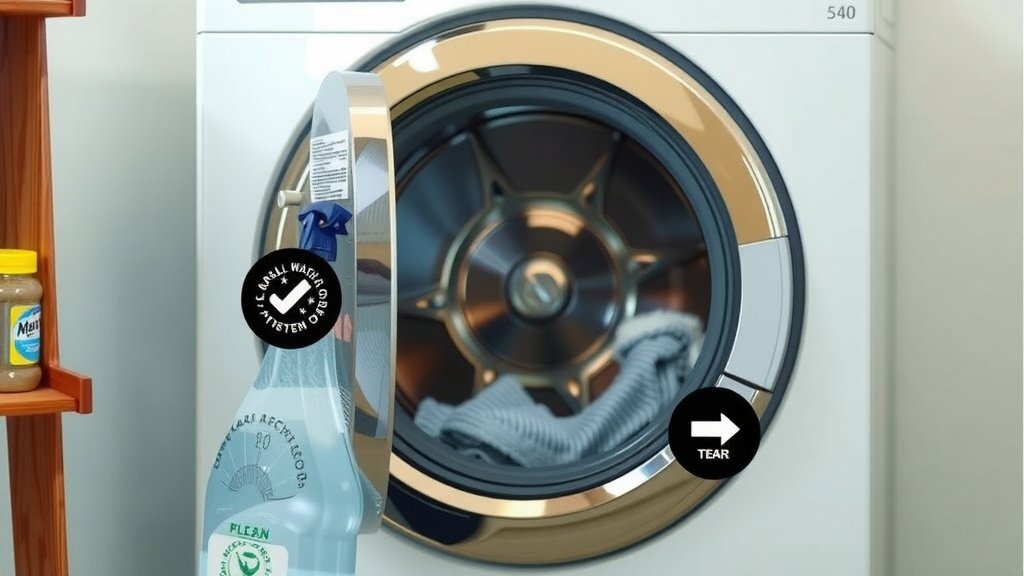
The Monthly Deep Clean: Step-by-Step
Let’s dive into how you can get your front-load washer looking and smelling its best. You don’t need a lot of fancy tools or a whole afternoon. Just a little bit of attention each month makes a big difference.
Step 1: Run a Hot Water Cleaning Cycle
Most modern front-load washers have a self-cleaning cycle. Check your machine’s manual if you’re unsure. If it doesn’t have a dedicated cycle, simply select the hottest water setting and the longest wash cycle available. A hot water wash is key to breaking down grime and killing bacteria.
Using a Washer Cleaner
There are many effective washing machine cleaners available. These are specifically formulated to break down soap scum, mineral deposits, and odor-causing bacteria. You can usually find them in liquid or tablet form. Follow the product instructions carefully. Typically, you’ll add the cleaner directly to the drum or to the detergent dispenser.
Using White Vinegar as an Alternative
Don’t have a commercial cleaner? White vinegar is a fantastic, natural alternative. It’s acidic enough to break down residue and has mild disinfectant properties. Pour about two cups of white vinegar directly into the detergent dispenser. This allows it to be released gradually during the wash cycle.
Step 2: Tackle the Door Seal (Gasket)
This is where the magic (or rather, the gunk) often hides. The rubber gasket around your front-loader’s door traps water, lint, and can become a breeding ground for mold. You’ll need a clean cloth and possibly a mild cleaning solution. Some experts recommend a diluted bleach solution (one part bleach to 10 parts water) for stubborn mold, but always test in an inconspicuous area first and ensure good ventilation. If you’re sensitive to bleach, a diluted white vinegar solution works well too.
Cleaning the Gasket Thoroughly
Gently pull back the rubber seal to expose the inner surfaces. Wipe down all parts of the gasket, ensuring you get into all the folds and crevices. Pay special attention to any dark spots that might indicate mold growth. Research suggests that regular wiping can prevent significant buildup (CDC). Make sure to dry the gasket thoroughly afterward to prevent immediate re-wetting.
Step 3: Clean the Dispenser Drawers
The detergent and fabric softener dispensers can also get clogged with residue. This can prevent the proper distribution of these products and lead to mold growth. Most dispenser drawers are removable. Carefully pull them out and wash them in your sink with warm, soapy water. You can use an old toothbrush to scrub away any stubborn residue. Rinse them well and let them air dry completely before putting them back.
Step 4: Wipe Down the Drum and Door
Once the cleaning cycle is complete and the gasket is clean, give the inside of the drum and the glass door a final wipe-down with a clean cloth. This removes any loosened residue and leaves the interior shiny. Ensure the door is left slightly ajar after cleaning, and ideally after every wash, to allow air circulation and help it dry out. This is one of the simplest yet most effective ways to prevent future mold growth.
Maintaining Your Washer Between Deep Cleans
A monthly deep clean is great, but a little bit of maintenance in between can keep things fresh. You can prevent major issues with simple daily habits. Think of it like brushing your teeth – a quick routine keeps bigger problems away.
Leave the Door Ajar
This is a golden rule for front-loaders. After each load, leave the washing machine door open. This allows air to circulate inside, drying out the drum and gasket. We found that this simple step drastically reduces the chances of mold and mildew developing. It’s like airing out a damp room.
Remove Wet Laundry Promptly
Don’t let wet clothes sit in the washer longer than necessary. Damp clothes left sitting create a moist environment that encourages odors and mold. Try to unload your washer as soon as a cycle finishes. If you forget, run a quick rinse cycle to drain the water and open the door.
Wipe the Gasket After Each Use (Optional but Recommended)
If you notice moisture or lint on the gasket after unloading, a quick wipe with a dry cloth can make a difference. This takes seconds but helps keep the seal drier between washes. It’s a small habit that contributes significantly to keeping your machine smelling fresh.
“`Conclusion
Keeping your front-load washing machine clean is simpler than you might think. By following a monthly routine, you can prevent mold, mildew, and unpleasant odors. Remember to run a hot water cleaning cycle, tackle the gasket and dispenser, and always leave the door ajar to allow for air circulation. These small steps ensure your washer performs at its best, leaving your laundry truly fresh and clean. Make this cleaning routine a habit, and you’ll enjoy a better-smelling and more efficient machine for years to come.
Frequently Asked Questions
How often should I really clean my front-load washer?
We found that a thorough cleaning once a month is ideal for most front-load washers. This frequency helps prevent the buildup of mold, mildew, and soap scum that can affect performance and odor. If you use your machine very heavily or notice smells sooner, you might consider cleaning it more often.
Can I use bleach to clean my front-load washer?
Yes, you can use a diluted bleach solution (about 1 part bleach to 10 parts water) for tough mold spots on the gasket. However, always ensure good ventilation and test on an inconspicuous area first. Many experts suggest starting with gentler methods like white vinegar, as bleach can sometimes degrade rubber seals over time if used too frequently or undiluted.
What if my washing machine doesn’t have a self-cleaning cycle?
No problem! If your machine lacks a dedicated self-cleaning function, simply select the hottest water setting and the longest wash cycle available. You can then add your chosen cleaner (like specialized washer cleaner or white vinegar) directly to the drum or detergent dispenser as described in the steps.
Is it really necessary to clean the dispenser drawers?
Yes, it’s highly recommended. The detergent and fabric softener dispensers can collect residue that might not get fully rinsed out. This buildup can become a breeding ground for mold and mildew, and it can also affect how evenly your detergent is dispensed. Removing and cleaning them regularly is an important part of keeping your whole machine clean.
How can I prevent smells after cleaning?
The best way to prevent lingering smells after cleaning is to ensure thorough drying and airflow. Always leave the door ajar after cleaning and after every wash cycle. Promptly remove wet laundry to avoid moisture sitting in the drum. A quick wipe of the gasket after each use can also significantly reduce moisture buildup and prevent odors from returning.
![7 Best Price Stackable Washer Dryer [In 2026]](https://homeunderstandable.com/wp-content/uploads/2026/09/7-best-price-stackable-washer-dryer-in-2026-featured-768x432.jpg)
![7 Top Loading Best Washing Machine [In 2026]](https://homeunderstandable.com/wp-content/uploads/2026/09/7-top-loading-best-washing-machine-in-2026-featured-768x432.jpg)
![7 Best Combo Washer And Dryer [In 2026]](https://homeunderstandable.com/wp-content/uploads/2026/09/7-best-combo-washer-and-dryer-in-2026-featured-768x432.jpg)