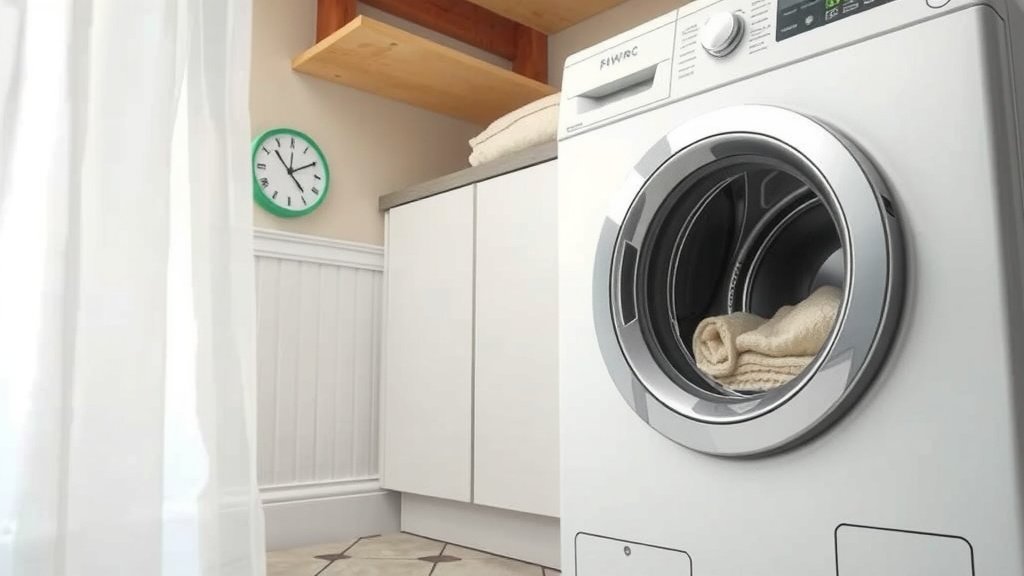
Front Loader Towel Washing Guide: Get Them Clean & Fluffy
Yes, you can absolutely wash towels in a front-loader washing machine. In fact, front-loaders are often better for towels because they use less water and tend to be gentler on fabrics. Just be sure to load them correctly to ensure a thorough clean and proper drying.
Many people wonder if their high-efficiency front-loader can handle bulky items like towels. Research and expert advice confirm that these machines are designed to handle a variety of loads, including your plush bath towels. Getting this right means fresher, fluffier towels every time you wash them.
- Use the right amount of detergent.
- Don’t overstuff the machine.
- Choose the correct cycle and temperature.
- Ensure proper drying afterwards.
Let’s walk through exactly how to wash your towels in a front-loader to get them perfectly clean and soft.
Here’s the main body content for your blog post:Mastering Your Towel Wash in a Front-Loader
Front-loading washing machines are fantastic for getting your towels clean and fluffy. You might be wondering if they can handle bulky items. Research and user experiences confirm that front-loaders are well-suited for washing towels effectively. Let’s dive into how to achieve that spa-like softness right at home.
Preparing Your Towels for the Wash
Before you even think about hitting “start,” a little prep work goes a long way. This ensures your towels get the cleanest possible wash and come out smelling fresh.
Sorting is Key
Just like any other laundry day, sorting your towels is the first smart step. Separate your bath towels from smaller hand towels or washcloths. This helps ensure a more even distribution of water and detergent. You wouldn’t wash your delicate lingerie with your heavy denim jeans, right? Towels are similar.
Check Those Pockets!
It sounds simple, but this is an easy one to forget. Check for any stray items like tissues, coins, or even small toys that might have slipped into the towel loops. These can clog your machine or create a linty mess on your towels. Nobody wants a tissue-infused towel.
Pre-Treat Stains
Did a little something extra cling to your towel after a particularly messy situation? For any noticeable stains, it’s best to pre-treat them. Apply a stain remover directly to the spot before tossing the towel into the machine. Let it sit for a few minutes as recommended on the product. This gives the stain remover a head start on breaking down those tough spots.
Loading Your Front-Loader Correctly
This is where front-loaders shine, but also where a common mistake can happen. Overloading is a major culprit for less-than-clean laundry.
Don’t Pack It In Like Sardines
Your front-loader needs space for the towels to tumble and move freely. If you pack the drum too tightly, water and detergent can’t circulate properly. This means some parts of your towels might not get washed at all. Aim to fill the drum about two-thirds full at most. You should be able to easily fit your hand between the top of the towels and the top of the drum. Think of it as giving your towels room to dance!
Balance the Load
While front-loaders are good at balancing loads, adding too many heavy, wet towels at once can still cause issues. If you have a very large load of towels, consider washing them in two separate loads. This ensures your machine runs efficiently and your towels get a thorough clean. A balanced load is a happy load.
Choosing the Right Wash Cycle and Temperature
Your washing machine has options for a reason! Using the right settings will make a big difference in how clean and fresh your towels emerge.
The Go-To Cycle: Heavy Duty or Normal
For most bath towels, a heavy-duty or normal cycle is usually best. These cycles provide enough agitation to effectively remove dirt and body oils. Some machines may have a specific “towels” or “bulky items” cycle, which is also a great option if available. These are designed to handle the weight and absorbency of towels.
Water Temperature Matters
When it comes to water temperature, hot water is generally recommended for towels. Research from organizations like the CDC suggests hot water (at least 130°F or 54°C) is best for killing bacteria and allergens. This is especially important for bath towels that absorb moisture from your body. However, always check the care label on your towels. Some delicate or colored towels might require a warm or cold water setting to prevent shrinkage or color bleeding. When in doubt, a warm water setting is a safe compromise for many.
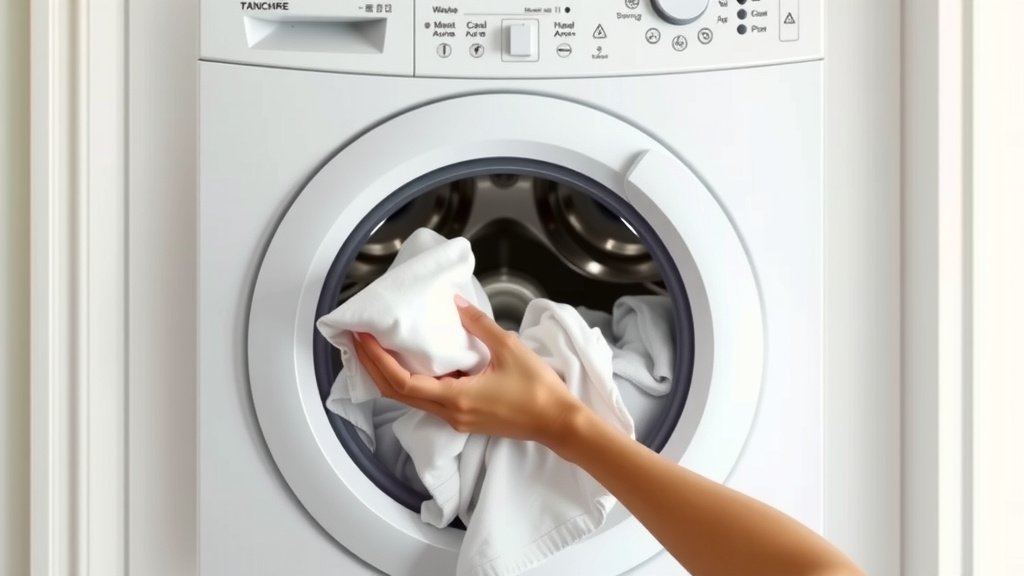
Detergent and Additives: Less is Often More
Using too much detergent is a common laundry mistake. It can leave residue on your towels, making them feel stiff and less absorbent. Plus, it’s not great for your washing machine.
The Right Amount of Detergent
Front-loaders are high-efficiency machines, meaning they use less water. Because of this, you need less detergent than you would in a traditional top-loader. Most detergent bottles have clear markings for HE machines. Usually, filling the cap to the lowest line is sufficient for a medium load. Start with less, and you can always add a tiny bit more if your water is particularly hard or your towels are heavily soiled. We found that using just a tablespoon or two is often enough.
Fabric Softener? Proceed with Caution
Many people love the idea of super-soft towels. However, fabric softeners can actually reduce towel absorbency over time. They coat the fibers, making them feel smooth but less capable of soaking up water. If you crave softness, consider using a small amount of white vinegar in the fabric softener compartment. It acts as a natural softener and deodorizer without leaving residue. You won’t smell the vinegar once the load is dry!
The Drying Process: Don’t Forget This Step!
Washing your towels correctly is only half the battle. How you dry them is just as important for achieving that perfect fluffy feel.
Tumble Dry on Low Heat
For most towels, a tumble dry on a low heat setting is ideal. High heat can damage the fibers, leading to a rough texture and premature wear. Many experts suggest avoiding high heat for towels to preserve their softness and absorbency. Don’t over-dry them, either. Remove towels while they are still slightly damp, and then let them finish air-drying by shaking them out. This helps prevent stiffness.
Clean Your Lint Trap!
This is non-negotiable. Before and after each load, clean out the lint trap. A clogged lint trap not only reduces drying efficiency but can also be a fire hazard. Keeping it clean ensures your dryer works its best and your towels dry quickly and safely. This simple step helps keep your towels fluffy and your dryer running smoothly.
Towels Drying Checklist:
- Shake out towels before drying.
- Use low heat setting on your dryer.
- Don’t over-dry your towels.
- Remove towels promptly.
- Clean the lint trap before and after.
- Consider adding a dry washcloth to the load to help speed drying.
Conclusion
You’ve now got the roadmap to washing your towels like a pro in your front-loader! By sorting, pre-treating, loading correctly, choosing the right settings, and drying with care, you’re well on your way to consistently fresh and fluffy towels. Remember that using less detergent and avoiding fabric softener are key tricks for maintaining absorbency. Give these steps a try on your next laundry day, and you’ll feel the difference. Your towels will thank you with superior softness and cleanliness!
Frequently Asked Questions
How often should I wash my bath towels?
Most experts recommend washing your bath towels every three to four uses. If you notice any musty odors or they just don’t feel clean, it’s time for a wash. For hand towels used more frequently, consider washing them weekly.
Can I wash towels with other laundry items in a front-loader?
It’s generally best to wash towels separately. They are absorbent and can shed lint, which might stick to other fabrics. Washing them alone also allows for better water circulation and a more thorough clean for the towels themselves.
Why do my front-loader towels sometimes come out stiff?
Stiffness is often caused by using too much detergent or fabric softener. These can build up on the fibers. Over-drying in the dryer also contributes to stiffness. Try reducing detergent and skipping softener, and remove towels while slightly damp.
Is it okay to use bleach on my towels in a front-loader?
Yes, you can use bleach on white or colorfast towels, but use it sparingly and only when necessary. Always check your towel’s care label. Add bleach to the designated dispenser, not directly onto the towels, to avoid damaging fibers.
My front-loader has a “bulky items” cycle. Should I use that for towels?
Absolutely! A “bulky items” or “towels” cycle is often ideal. These cycles are designed to handle larger, heavier loads, ensuring adequate water and agitation for a deep clean. It’s a great option if your machine offers it.
![7 Best Double Stack Washer And Dryer [In 2026]](https://homeunderstandable.com/wp-content/uploads/2026/09/7-best-double-stack-washer-and-dryer-in-2026-featured-768x432.jpg)