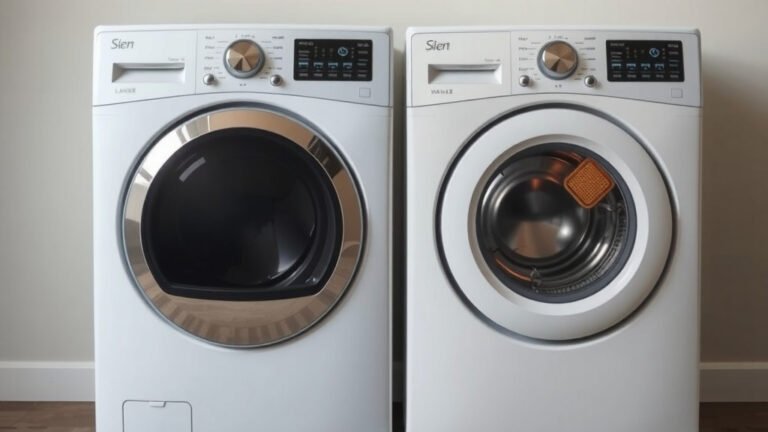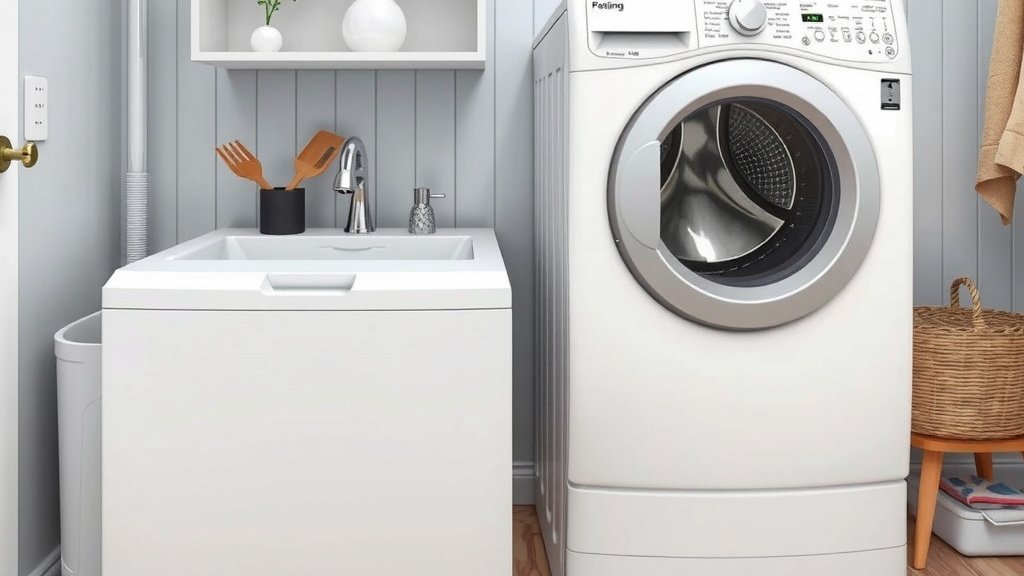
How Washer Dryer Combos Work Explained
A washer dryer combo works by using a single drum to complete both washing and drying cycles. You simply load your clothes, select your settings, and the machine does the rest. This all-in-one appliance is designed to save space and offer convenience for your laundry needs, making it a great choice for smaller homes. Our guide to the best mid-size washer and dryer options can help you find the right fit.
We found that these units combine the functions of a traditional washer and dryer into one compact machine. They use sophisticated sensors and drum movements to efficiently wash and then heat and tumble dry your garments. Many people wonder if they can truly handle a full load. Research shows they are best suited for smaller loads to ensure optimal performance and drying. This is a key consideration for understanding how they operate.
- It’s one machine for washing and drying.
- It saves you space and time.
- You load clothes once.
- It’s great for small apartments.
- Expect smaller load sizes for best results.
Let’s walk through exactly how this clever appliance tackles your laundry from dirty to dry, all within that single drum.
Understanding Your All-in-One Laundry Machine
So, how exactly does that single drum handle both washing and drying? It’s a bit like a magician performing a trick, but it’s all based on smart engineering. Your washer dryer combo uses the same space for every step of the laundry process. This means fewer hoses, less plumbing, and a much smaller footprint.
The Washing Cycle: More Than Just Spinning
The washing part is pretty familiar. You add your detergent, pick your wash cycle, and water fills the drum. The machine then agitates your clothes, just like a traditional washing machine. This tumbling action with water and detergent lifts dirt away from the fabric. Sensors inside the drum monitor the water level and temperature. They ensure your clothes get a good soak and scrub.
Water Intake and Drum Action
Water enters the machine through an inlet hose. It fills the drum to the level needed for the selected cycle. The drum then rotates back and forth. This motion mimics hand washing, rubbing clothes against each other. It’s this mechanical action that loosens stains and grime. Research shows this agitation is key to effective cleaning (National Sanitation Foundation).
Draining and Rinsing
Once the wash cycle is complete, the dirty water is pumped out. Then, fresh water fills the drum for the rinse cycle. This removes any leftover detergent. Your clothes are tumbled again to ensure all soap residue is gone. A final spin at high speed removes as much water as possible. This makes the drying process quicker.
The Drying Cycle: From Damp to Dry
Here’s where the combo unit gets really interesting. After the final spin, the machine doesn’t stop. It reconfigures itself for drying. It doesn’t have a separate dryer vent like a standard machine. Instead, it uses a different method to remove moisture. This is a key difference from having two separate units.
How Heat and Airflow Work
The machine heats air and circulates it through the drum. This hot air passes over your damp clothes. The heat causes the water in the fabric to evaporate. The moisture is then either condensed or vented out. Many newer models use a condenser drying system. This pulls moisture from the clothes and collects it as water. This water is then drained away with the wash water.
Sensors for Smart Drying
Modern washer dryer combos use advanced sensors. These sensors detect the moisture level in your clothes. They adjust the drying time and temperature accordingly. This helps prevent over-drying, which can damage fabrics. It also ensures your clothes are dry when the cycle finishes. This smart technology is designed for efficiency and garment care.
The Role of the Drum
The same drum that washed your clothes now tumbles them in the hot air. This continuous tumbling ensures even drying. It prevents clothes from clumping together. This allows the hot air to reach all parts of the load. It’s a continuous process within the same chamber.
| Feature | Washer Dryer Combo | Separate Washer & Dryer |
|---|---|---|
| Space Needed | Minimal; one footprint | Double the space |
| Loading | One load, one time | Transfer clothes between machines |
| Drying Method | Condenser or ventless | Vented or condenser (dryer specific) |
| Typical Load Size | Smaller loads recommended | Larger loads possible |
| Installation | Simpler; fewer connections | More complex; multiple connections |
Important Considerations for Your Combo Unit
While these machines offer incredible convenience, there are a few things to keep in mind. Understanding how they work helps you get the best results. Many users report that drying times can be longer than in a separate dryer.
Load Size Matters
This is probably the most crucial point. Because the same drum is used for washing and drying, airflow can be restricted. We found that attempting to dry a full wash load often leads to damp clothes. Experts suggest washing a load and then removing about a third of the items before drying. This allows for better air circulation. It ensures more effective drying. Think of it as giving your clothes room to breathe.
Drying Times Vary
Drying times can be longer compared to traditional dryers. This is due to the condenser drying process and the single-drum design. A full wash and dry cycle can take several hours. It’s not as fast as two separate machines running simultaneously. Planning your laundry schedule around this is helpful.
Ventless Drying: Pros and Cons
Most combos are ventless. This means you don’t need an external vent. This makes installation very easy, especially in apartments. However, ventless drying adds humidity to the room. This is something to consider if you have limited ventilation. Some models may require periodic cleaning of the condenser unit. This ensures optimal performance.
Your Laundry Day Checklist for Combos
To make sure your washer dryer combo works its magic efficiently, follow these simple steps:
- Read your manual for specific instructions.
- Always check garment care labels.
- Don’t overload the machine, especially for drying.
- Remove a portion of clothes before drying if needed.
- Clean the lint filter regularly.
- Allow adequate air circulation in the laundry room.

Conclusion
You’ve learned how your washer dryer combo cleverly combines washing and drying in one unit. It uses a single drum for both cycles, relying on smart sensors and airflow to move clothes from damp to dry. Remember, the key to success is managing load sizes. Smaller loads mean better airflow and more efficient drying. While drying times might be longer than separate units, the space and convenience are often worth it. You can now confidently use your combo unit for cleaner, drier clothes with a little planning.
Frequently Asked Questions
Do washer dryer combos actually dry clothes well?
Yes, they do, but it’s important to understand their limitations. Research and user reports indicate that they work best with smaller loads. Overloading the drum can lead to clothes not drying completely due to restricted airflow. For best results, you might need to remove some items before the drying cycle begins.
How long does a wash and dry cycle take in a combo unit?
A full wash and dry cycle in a combo unit typically takes longer than using separate machines. You can expect cycles to range from 3 to 8 hours, depending on the load size and fabric type. This is primarily due to the ventless drying process and the single-drum design, which requires more time for moisture removal.
Can I leave my washer dryer combo running overnight?
Most modern washer dryer combos are designed to be safe for overnight use, especially if they have auto-shutoff features. However, it’s always a good idea to check your appliance’s manual. Some users prefer to run them while they are home to monitor performance and ensure proper ventilation in the room.
What kind of maintenance do washer dryer combos require?
Regular maintenance is key for optimal performance. You’ll need to clean the lint filter after every few uses and periodically wipe down the door seals. Many units also have a condenser filter that needs cleaning every few months to prevent blockages and ensure efficient drying. Always refer to your user manual for specific cleaning instructions.
Are washer dryer combos noisy?
Washer dryer combos can produce noise, similar to traditional washers and dryers. The spinning cycles, especially the high-speed spin for water extraction, can be audible. The tumbling during the drying cycle also creates some sound. Placing your unit on a stable, level surface can help minimize vibrations and noise.

![7 Best Brand Of Stackable Washer And Dryer [In 2026]](https://homeunderstandable.com/wp-content/uploads/2026/09/7-best-brand-of-stackable-washer-and-dryer-in-2026-featured-768x432.jpg)