How Full to Fill a Front Load Washer for Best Results
You can fill your front load washer until the clothes are loose and can move freely. Avoid stuffing or overpacking the drum. Leaving space ensures proper washing and rinsing. Your machine needs room for water and detergent to reach all items.
Overfilling can lead to poor cleaning results. Clothes may not get properly saturated with water. Detergent might not rinse out fully. This can leave your laundry looking dingy or feeling stiff. It can also strain your washing machine’s motor over time.
- Don’t stuff the drum completely full.
- Aim for clothes to be loose and able to move.
- Too much laundry means poor cleaning.
- Overfilling can damage your washer.
Let’s walk through exactly how to load your front load washer correctly, so you get the cleanest clothes possible.
So, you’ve got a load of laundry and a shiny front load washer. You’re ready to tackle that pile, but a little question pops into your head: just how full is *too* full? It’s a common thought, and for good reason! Loading your washer correctly makes a big difference in how clean your clothes get and how long your machine lasts. Let’s break it down.
How Much Laundry is Too Much for Your Front Loader?
The simple answer is: you shouldn’t fill it to the brim. Your front load washer needs ample space to tumble your clothes effectively. Think of it like a dance floor. If it’s too crowded, no one can move, and the dance (or wash) isn’t very good. We’re aiming for a loose, airy load, not a tightly packed one.
Understanding the Drum’s Capacity
Front load washers use a tumbling action, where clothes are lifted and dropped into the water. This motion is key to getting them clean. If the drum is too full, this tumbling action is severely limited. Clothes can’t flip over, and the water and detergent can’t reach every surface. Many experts suggest that a properly loaded drum should be about two-thirds full, with room to spare.
Imagine trying to wash a single sock in a drum stuffed with towels. That sock would likely get buried and wouldn’t get the friction it needs against other items to release dirt. Similarly, a drum packed tight with sheets won’t allow them to unfurl and move freely.
The “Fist Test” for Proper Loading
A great visual guide we found is the “fist test.” When you’ve loaded your laundry, try to stick your hand in on top of the clothes. You should be able to slide your hand in vertically with some ease. If your fist gets stuck or it feels like you’re forcing it, the load is likely too big. This simple check ensures there’s enough air space for water circulation and tumbling.
Why Overloading is a Problem
Overloading your front loader can cause several issues, and none of them are good for your clothes or your appliance. Let’s look at the most common problems:
Poor Cleaning Performance
When clothes are crammed together, water and detergent struggle to get through. This means dirt and grime can remain trapped in the fabric. You might end up with dingy whites or clothes that still smell a bit musty after a wash cycle. The lack of movement also means less friction between items, which is needed to scrub away stains.
Inadequate Rinsing
This is a big one! If the load is too heavy, the machine can’t effectively rinse out all the soap. You know that stiff, sometimes slightly sticky feeling some clothes have after washing? That’s often detergent residue. It’s not just uncomfortable; it can actually attract more dirt over time, making your clothes get dirty faster.
Increased Wear and Tear on Your Machine
Think about what a heavy, unbalanced load does. The motor has to work much harder to turn the drum. This puts a strain on the bearings, suspension, and motor itself. Over time, this can lead to premature wear and tear, potentially shortening the lifespan of your washing machine. It’s like taking your car on a steep mountain road with a ton of extra weight in the trunk every day – it just wasn’t designed for that kind of constant stress.
Potential for Damage
In extreme cases, an overloaded drum can cause significant damage. Items might get caught in the door seal, leading to leaks. The weight can also cause excessive vibration, which can lead to components loosening or breaking over time. Some high-efficiency models have sensors that might even stop the cycle or cause error codes if the load is too heavy, preventing proper operation.
What Does a Properly Loaded Drum Look Like?
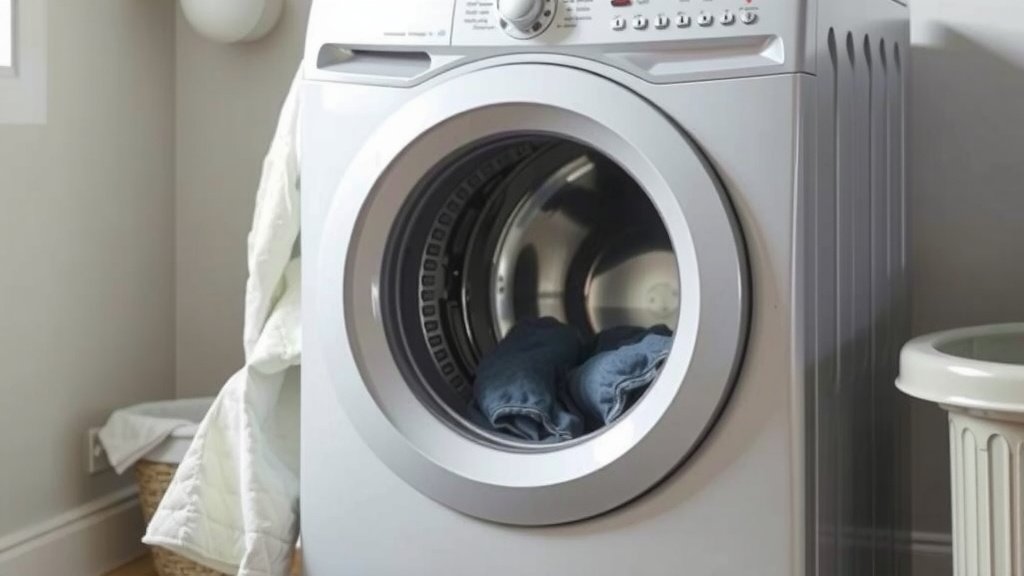
Visualizing a “correct” load can be tricky. It’s not just about the number of items, but their size and type. A few large items, like blankets or bedding, take up much more space than many small items, like socks and underwear. The key is always that sense of looseness and ability for items to move freely.
The “One-Third to One-Half Full” Rule of Thumb
Many appliance manufacturers suggest loading the drum no more than one-third to one-half full. This might seem like a lot of empty space, but it’s intentional. It allows for the tumbling action, proper water saturation, and effective rinsing. If you’re used to cramming clothes in, this might feel wasteful at first, but trust us, your clothes and your washer will thank you.
Mixing Item Sizes: The Smart Approach
To achieve the best wash, try to mix different sizes of laundry. For example, don’t wash a load consisting only of heavy towels. Mix in some lighter items like t-shirts or pillowcases. These smaller items can help fill in the gaps and ensure that the larger items get adequately exposed to water and detergent as they tumble.
Dealing with Bulky Items
Bulky items, such as comforters, sleeping bags, or large blankets, are the biggest culprits for overloading. Most standard front load washers aren’t designed for these items. Even if you can fit one in, it likely won’t wash or rinse properly. For these, it’s often best to take them to a laundromat with larger capacity machines or to a professional cleaner. Some high-end or extra-large capacity washers might handle one item, but always check your machine’s manual.
A Quick Checklist for Perfect Loading
To make it super simple, here’s a quick checklist you can use every time you load your washer:
- Check Your Manual: Always start by looking at your specific washing machine’s user guide for any particular recommendations.
- Don’t Stuff: Avoid pressing down on clothes to fit more in.
- Leave Room at the Top: Ensure you can easily slide your fist into the drum vertically.
- Mix Item Sizes: Combine large and small items for better tumbling action.
- Don’t Overdo Detergent: Too much soap makes rinsing harder, especially with overfilled loads.
- Listen to Your Machine: Unusual noises or vibrations might indicate an unbalanced or overloaded drum.
By following these simple guidelines, you’re not just getting cleaner clothes; you’re also taking great care of your washing machine. It’s a win-win!
Conclusion
You’ve learned that a front load washer needs space to clean effectively. Aim for a loose load, about two-thirds full, allowing clothes to tumble freely. Remember the fist test: if your fist fits easily on top, you’re likely on the right track. Proper loading prevents dingy clothes, ensures thorough rinsing, and protects your machine’s motor and components from unnecessary strain. Making these small adjustments will lead to cleaner laundry and a longer-lasting appliance. So, next time you do laundry, give your washer a little breathing room!
Frequently Asked Questions
Can I just fill my front load washer until it looks full?
While it might look full, stuffing the drum too tightly prevents proper water circulation and tumbling. Your clothes won’t get clean, and detergent might not rinse out. It’s best to leave a good amount of empty space at the top.
What happens if I overload my front load washer too often?
Overloading too often can lead to poor cleaning results, like clothes that are still dirty or stiff. It also puts extra strain on your washer’s motor and suspension system, which can shorten its lifespan and lead to repairs.
Is it okay to wash a single bulky item like a blanket in my front loader?
For most standard front load washers, washing a single bulky item is not recommended. It can throw off the balance of the load and prevent the blanket from washing or rinsing properly. Consider using a laundromat with larger machines for such items.
Does the type of clothing affect how full I can pack the drum?
Yes, it does! Small, light items like socks and underwear fill space differently than larger, heavier items like towels or jeans. Always aim for that loose, airy feel regardless of item type. Mixing sizes usually helps achieve a better load.
Why do manufacturers suggest filling the drum only one-third to one-half full?
This recommendation ensures there’s enough room for the clothes to tumble effectively, allowing water and detergent to reach every surface. It also guarantees adequate space for the rinsing cycle, removing all soap residue. This space is essential for the machine’s washing action.



![7 Best Small Stacked Washer Dryer [In 2026]](https://homeunderstandable.com/wp-content/uploads/2026/09/7-best-small-stacked-washer-dryer-in-2026-featured-768x432.jpg)