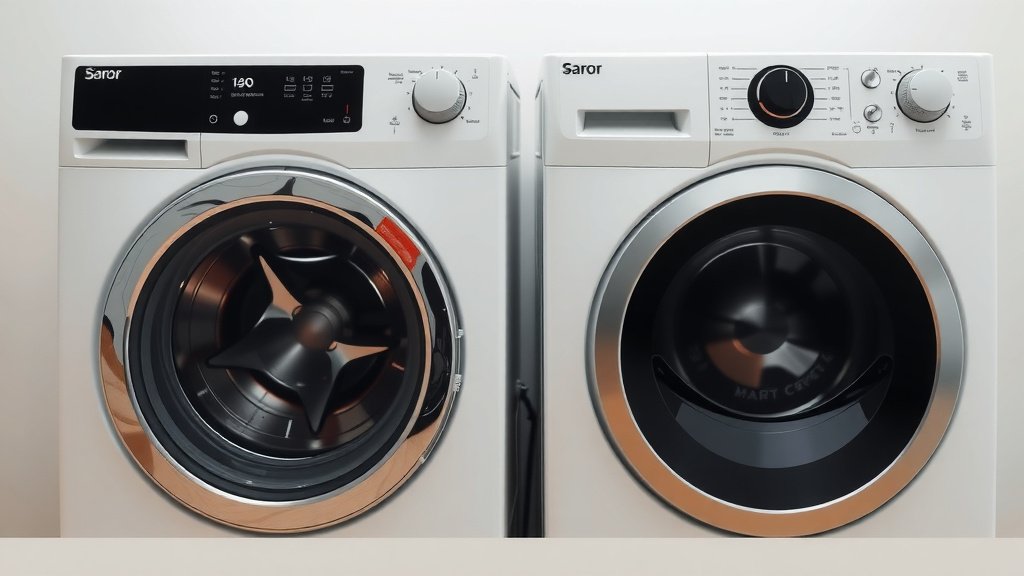
What is a Unitized Washer Dryer Combo
A unitized washer and dryer is essentially a single appliance that combines both washing and drying functions into one machine. Instead of having two separate units, you get one compact solution. This makes it a fantastic option for smaller homes or apartments where space is at a premium. Our guide to the best mid-size washer and dryer options can help you find a suitable appliance.
Think of it as a two-in-one laundry powerhouse. You load your dirty clothes into the same drum for both the wash and dry cycles. This space-saving design is a major draw for many homeowners. We found that this efficiency is key for modern living.
- It’s a single machine for washing and drying.
- Saves a lot of space in your home.
- Loads clothes once for the whole cycle.
- Great for apartments or small laundry rooms.
- Offers convenience with combined functions.
Let’s walk through exactly what a unitized washer and dryer entails, so you can see if it’s the right fit for your laundry routine.
Understanding Unitized Washer and Dryer Combos
So, what exactly is a unitized washer and dryer? Think of it as a single appliance that handles both your washing and drying needs. You load clothes into one drum, and it washes them, then dries them, all without you having to move anything. This makes it a fantastic choice for anyone looking to save space and simplify their laundry process.
How Does a Unitized Washer and Dryer Work?
The magic happens inside one machine. You add your laundry just like you would with a regular washer. The unit first performs the wash cycle using water and detergent. Once the wash is complete, it drains the water and then begins the drying cycle. Some models use a vent, while others are ventless, using a condenser or heat pump to remove moisture. This means you only need one hookup for water and drainage, and one for power.
Ventless vs. Vented Unitized Options
When you’re looking at these machines, you’ll often see two main types: ventless and vented. Ventless models are super convenient because they don’t require an external vent hose. They typically use a condenser or a heat pump system. These are great for apartments or places where installing a vent is difficult or impossible. Many experts suggest ventless models for their flexibility (Cleveland Clinic). However, they can sometimes take longer to dry clothes compared to vented options.
Vented unitized dryers, on the other hand, work much like traditional standalone dryers. They use a vent hose to expel hot, moist air outside your home. This method is generally faster and can handle larger loads more efficiently. If you have the option to install a vent, a vented unitized dryer might be a good fit for your needs.
Key Features and Benefits of Unitized Laundry Systems
These all-in-one machines offer a unique set of advantages. The most obvious is the space-saving design. They are typically smaller than having two separate machines, making them ideal for compact living situations. We found that this is a huge draw for city dwellers and those with smaller homes.
Space Efficiency is King
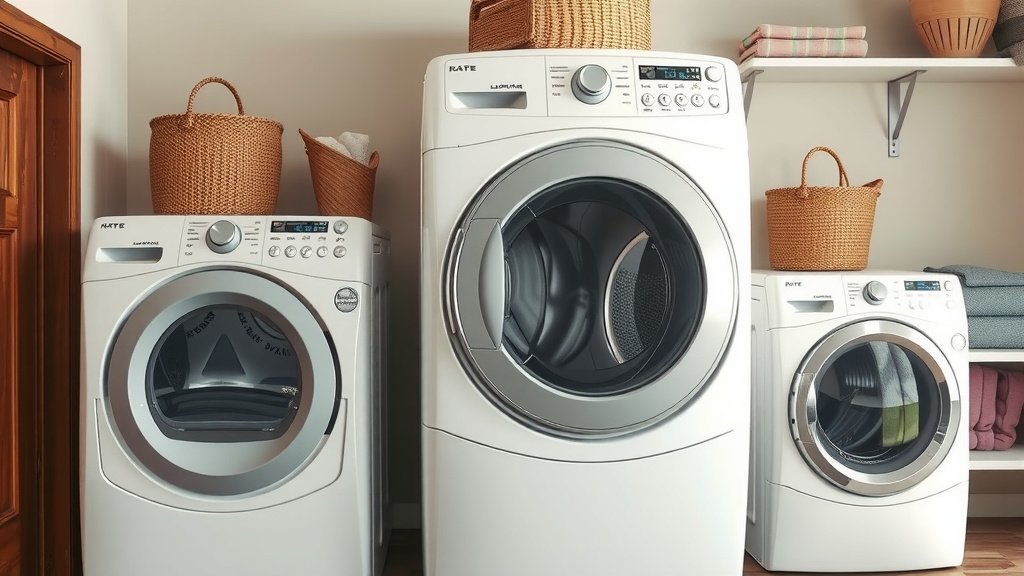
If you’ve ever struggled to find room for a washer and dryer, a unitized system might feel like a dream come true. They can often fit into closets, small alcoves, or even under counters. This allows you to reclaim valuable floor space in your home. Many homeowners report being able to place their unitized washer and dryer in areas they never thought possible. Research indicates that compact appliances are increasingly popular for smaller living spaces.
Convenience and Simplicity
The “load once” aspect is a significant convenience factor. No more transferring wet clothes from the washer to the dryer. You simply set it and forget it. This single-step process can save you time and effort, especially during busy weeks. It also reduces the risk of dropping clothes on the floor during the transfer. Many users find this simplification incredibly appealing for their daily routines.
Energy and Water Savings
Many unitized washer and dryer models are designed with energy efficiency in mind. Because the drum is smaller and the components are integrated, they can sometimes use less water and electricity per load compared to larger, separate units. Some heat pump models, in particular, are highly energy-efficient. We found that looking for ENERGY STAR certified models can lead to noticeable savings on utility bills over time (ENERGY STAR).
Considering a Unitized Washer and Dryer for Your Home
While these machines offer many benefits, it’s wise to consider if they align with your specific laundry habits. Are you someone who does huge loads? Do you wash delicate items frequently? Thinking about these questions can help you decide if this type of appliance is the best fit.
Capacity and Load Sizes
One of the main considerations with unitized washer and dryers is their capacity. They generally have smaller drums than standard washers and dryers. This means you might need to do more frequent loads if you have a larger family or a lot of laundry. For individuals or couples, the capacity is often perfectly adequate. Many manufacturers list the capacity in pounds or cubic feet, so you can compare it to your current setup. Many experts suggest that if you typically wash more than 7-8 pounds of laundry at a time, you might want to reconsider.
Drying Times and Performance
As mentioned earlier, drying times can vary. Ventless models, especially condenser types, can take longer to dry clothes than vented units or standalone dryers. This is because they are not expelling hot air directly outside. Heat pump models are generally more efficient and faster than condenser models but can still be slower than traditional vented dryers. If quick drying is a top priority for you, this is definitely something to keep in mind. We found that reading user reviews for specific models can give you a good idea of expected drying performance.
Maintenance and Potential Issues
Like any appliance, unitized washer and dryers require some basic maintenance. You’ll need to clean the lint filter regularly, especially in vented models. For ventless models, you may need to clean the condenser. The combined nature of the machine means that if one part has an issue, it could potentially affect the whole unit. Some repair technicians note that accessing internal components can sometimes be more challenging due to the compact design. However, most manufacturers offer good warranties to protect your investment.
Are Unitized Washer and Dryers Right for You? A Quick Checklist
Let’s see if a unitized washer and dryer fits your lifestyle. Ask yourself these questions:
- Do you have limited space for laundry appliances?
- Do you typically do smaller loads of laundry?
- Are you looking for a simple, all-in-one laundry solution?
- Is convenience and a “load once” system appealing to you?
- Do you live in an apartment or a home where venting is difficult?
- Are you willing to potentially wait a bit longer for drying cycles (especially with ventless models)?
If you answered “yes” to most of these, a unitized washer and dryer could be an excellent option for your home!
Conclusion
You’ve learned that a unitized washer and dryer is a clever, space-saving appliance that combines washing and drying into a single unit. It’s perfect for smaller homes or apartments where every inch counts. While capacity and drying times might differ from standard machines, the convenience of loading clothes just once is a major win. We found that for many, this simplifies laundry day significantly. If you’re looking to streamline your laundry routine and maximize your living space, a unitized system could be your ideal solution. Now that you understand the benefits, consider your laundry habits and available space to see if this all-in-one appliance is the right fit for your home.
Frequently Asked Questions
How long does a unitized washer and dryer take to dry clothes?
Drying times can vary. Ventless models, especially condenser types, often take longer than traditional vented dryers. Heat pump models tend to be faster than condenser types but may still be slower than vented units. We found that user reviews often provide the best real-world estimates for drying performance on specific models.
Can I do large loads in a unitized washer and dryer?
Generally, unitized machines have smaller capacities than separate washers and dryers. If you frequently handle very large loads, you might find yourself needing to run more cycles. For individuals or couples with typical laundry needs, the capacity is often sufficient. We suggest checking the manufacturer’s specifications for load size recommendations.
Do unitized washer and dryers require special installation?
Installation is usually straightforward. You’ll need a water hookup, a drain, and a standard electrical outlet, just like a regular washing machine. Vented models also require an external vent hose, similar to a standalone dryer. Some ventless models offer even more flexibility as they don’t need a vent at all.
Are unitized washer and dryers more expensive than separate units?
The initial cost can sometimes be higher than purchasing a basic standalone washer and dryer. However, you’re paying for the convenience and space-saving design of an all-in-one unit. When you consider the potential energy and water savings over time, especially with energy-efficient models, the overall value can be quite competitive.
How do I maintain a unitized washer and dryer?
Maintenance is similar to separate units. You’ll need to clean the lint filter regularly after each use, especially for vented models. For ventless machines, you may need to clean the condenser unit periodically. Following the manufacturer’s cleaning instructions will help ensure your unit runs efficiently for years to come.
![7 Best Small Washer Machine [In 2026]](https://homeunderstandable.com/wp-content/uploads/2026/08/7-best-small-washer-machine-in-2026-featured-768x432.jpg)