
Front Loading Washing Machine Loading Guide
Loading your front-loading washing machine correctly is simple. You just need to know a few key steps to get your clothes clean without issues. Make sure to load clothes loosely and avoid overfilling the drum for best results.
Getting your laundry routine right can save you time and prolong the life of your machine. Knowing how much detergent to use and how to balance your loads are important factors. We’ve researched the best practices so you don’t have to guess. Proper loading helps your washing machine clean effectively and prevents damage.
- Load clothes loosely in the drum.
- Don’t overfill the washing machine.
- Add the correct amount of detergent.
- Close the door firmly.
- Select the right wash cycle.
Let’s walk through exactly how to load your front-loading washer step by step.
Getting Your Front-Loader Ready for a Wash
So, you’ve got a pile of laundry and a sleek front-loading washing machine. Wonderful! Loading it up correctly is your first step to perfectly clean clothes. Think of it like packing a suitcase; you want to fit everything without crushing it. We’re going to walk you through exactly how to do that.
The goal is to give your clothes enough room to move. This allows the water and detergent to get to every fiber. It also means your machine won’t have to work overtime trying to spin a lopsided, overloaded drum. It’s a win-win for your laundry and your appliance.
Sorting Your Laundry First
Before anything goes into the machine, sorting is key. This prevents colors from bleeding onto lighter fabrics. It also helps you choose the best wash cycle for different types of materials. Separate your lights, darks, and delicates. Check care labels for specific instructions.
You might also want to separate heavily soiled items from lightly worn clothes. This ensures a more effective clean for everything. Some experts recommend separating towels and bedding from regular clothes, too. This helps them dry better and prevents lint transfer (Good Housekeeping).
Loading the Drum: The Loose Fit Method
Here’s where the magic happens. Open that washing machine door and start adding your sorted laundry. The most important rule is to load items loosely. Imagine you’re just placing them in there, not stuffing them down.
Many people make the mistake of filling the drum right to the top. This is a common error that can lead to less-than-stellar results. Your clothes need space to tumble and agitate. If they’re packed too tightly, they can’t move freely.
How Much Is Too Much?
A good rule of thumb is to fill the drum about two-thirds full. You should be able to easily place your hand vertically on top of the load. If you have to push down or cram items in, you’ve likely added too much.
Overfilling can strain the machine’s motor and bearings. It also means detergent can’t rinse out properly. This can leave residue on your clothes. Not to mention, your clothes just won’t get as clean (Consumer Reports).
Understanding Different Fabric Types
Some items require a bit more care. Delicate fabrics like silk or lace need extra space. They can easily snag or get damaged if loaded too tightly with heavier items.
Even sturdy items like jeans or towels benefit from loose loading. This allows water to circulate properly. It helps remove dirt and odors more effectively. Think about it: would you rather have your clothes swishing freely or jammed together?
Detergent and Additives: Less is Often More
Now that your clothes are in, it’s time for detergent. Front-loaders are designed to use less water than older top-loaders. This means they also need less detergent. Using too much can create excessive suds.
Excessive suds can actually hinder the cleaning process. They create a cushion that prevents clothes from rubbing against each other. This is how dirt gets removed. Too many suds can also leave a residue on your clothes and in your machine. This might lead to odors or even damage.
Where to Add Detergent
Your washing machine likely has a dispenser drawer. This is usually at the top of the door. It typically has separate compartments for pre-wash, main wash detergent, and fabric softener.
Refer to your washing machine’s manual for the exact location and usage of its dispenser. Most machines specify using liquid or powder detergent in the main wash compartment. Fabric softener goes in its designated spot. If you’re unsure, check the symbols on the drawer.
Measuring Your Detergent Correctly
The detergent packaging will tell you how much to use. It usually gives different measurements for different load sizes and soil levels. For a medium load and normally soiled clothes, start with the recommended amount.
We found that many people tend to overdo it. A general guideline for high-efficiency (HE) front-loaders is about 1 to 2 tablespoons of liquid HE detergent per load. For powder, it’s often one scoop. Always use HE detergent; it’s formulated for low-water washing machines.
Many guidelines suggest using even less detergent if your water is soft. If you’re unsure about your water hardness, you can often find out from your local water utility. Or, you can purchase inexpensive water testing kits (EPA).
What About Bleach and Fabric Softener?
If you use bleach or fabric softener, use them sparingly. Bleach should go in its designated compartment in the dispenser drawer. Never pour bleach directly onto clothes, as it can cause damage and discoloration.
Fabric softener can also go in its specific compartment. Some people prefer to add it directly to the rinse cycle. While this is an option, using the dispenser ensures it’s dispensed at the right time. Be mindful that fabric softener can reduce the absorbency of towels over time (Tide).
Final Checks Before You Start the Wash
You’ve loaded your clothes loosely, added the right amount of detergent, and you’re ready to go. Just a few more things to confirm.
Checking the Door Seal
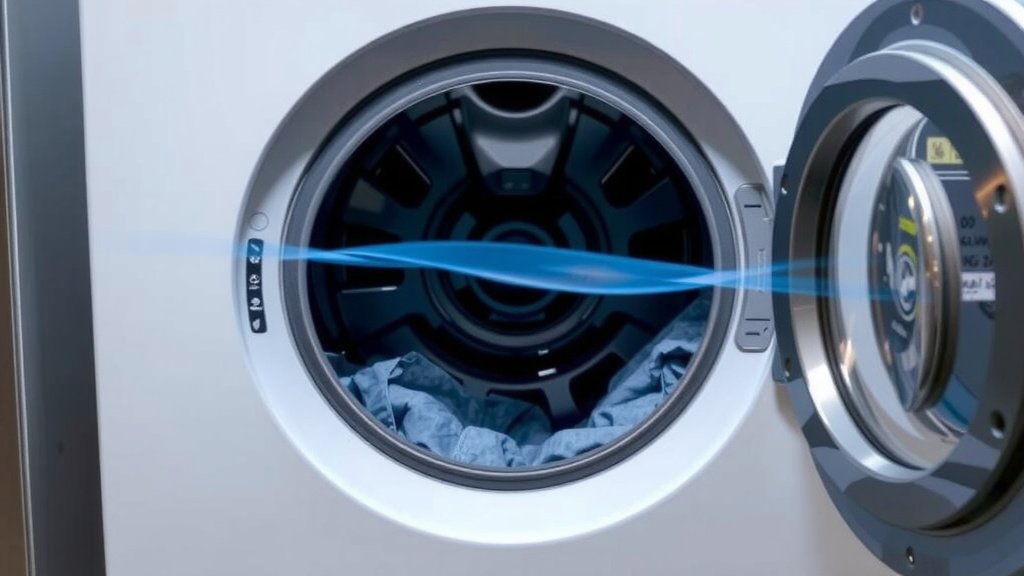
Make sure the door is closed properly. You should hear a distinct click. Check the rubber seal around the door. Sometimes small items like socks or lint can get caught there. Remove any obstructions to ensure a tight seal. A good seal is vital for the machine to operate correctly and prevent leaks.
Selecting the Right Cycle
Don’t just hit ‘start’! Take a moment to select the appropriate wash cycle. Your machine probably has cycles for cottons, delicates, permanent press, and more. Choosing the right one protects your clothes and cleans them effectively.
For a typical mixed load of everyday clothing, the ‘Normal’ or ‘Cottons’ cycle is usually a good choice. For more delicate items, select the ‘Delicates’ or ‘Hand Wash’ option. Always check the garment care labels for the best recommendations (Whirlpool).
Your Quick Laundry Loading Checklist
Let’s recap the essentials for a perfect load:
- Sort lights, darks, and delicates separately.
- Load items loosely, filling the drum no more than two-thirds full.
- Ensure clothes have room to move and tumble freely.
- Use the recommended amount of HE detergent for your load size.
- Add bleach or fabric softener to their designated dispenser compartments.
- Close the door firmly and select the correct wash cycle.
Conclusion
You’ve got this! Loading your front-loading washing machine correctly is all about giving your clothes the space they need. Remember to sort your laundry, load items loosely filling only about two-thirds of the drum, and use the right amount of HE detergent. These simple steps ensure your clothes get truly clean and help your machine run smoothly for years to come.
Take a moment before you hit start to double-check your load and cycle selection. Your laundry will thank you for it. Now go ahead and get that load started!
Frequently Asked Questions
Can I stuff my front-loader full if I have a lot of laundry?
No, it’s best not to. Stuffing the drum too full prevents clothes from moving freely. This hinders proper cleaning and can strain your machine’s motor. Aim to fill the drum only about two-thirds full for optimal results.
How do I know if I’ve used too much detergent in my front-loader?
Excessive suds are a common sign. You might see a lot of foam coming from the door or dispenser. Too much detergent can leave residue on your clothes and in the machine, potentially causing odors and damage.
What happens if I overload the washing machine?
Overloading can cause several problems. Your clothes won’t get as clean because they can’t tumble properly. It also puts extra stress on the machine’s components, potentially leading to costly repairs over time.
Is it okay to mix different types of fabrics in a front-loader?
It’s best to sort your laundry. Mixing delicate items with heavy fabrics like towels can cause damage. Sorting by color and fabric type also allows you to choose the most appropriate wash cycle for each load.
Should I always use the detergent dispenser, or can I pour detergent directly into the drum?
Always use the dispenser drawer. Front-loaders use less water, and the dispenser ensures detergent is released at the correct time for effective cleaning and rinsing. Pouring directly can lead to too many suds or improper distribution.

![7 Best Washing Machine For Small Spaces [In 2026]](https://homeunderstandable.com/wp-content/uploads/2026/08/7-best-washing-machine-for-small-spaces-in-2026-featured-768x432.jpg)
![7 Best Top Load Washing Machine Brands [In 2026]](https://homeunderstandable.com/wp-content/uploads/2026/09/7-best-top-load-washing-machine-brands-in-2026-featured-768x432.jpg)
![7 Washer And Dryer Set Best [In 2026]](https://homeunderstandable.com/wp-content/uploads/2026/09/7-washer-and-dryer-set-best-in-2026-featured-768x432.jpg)