What Is a Washer and Dryer: A Complete Guide
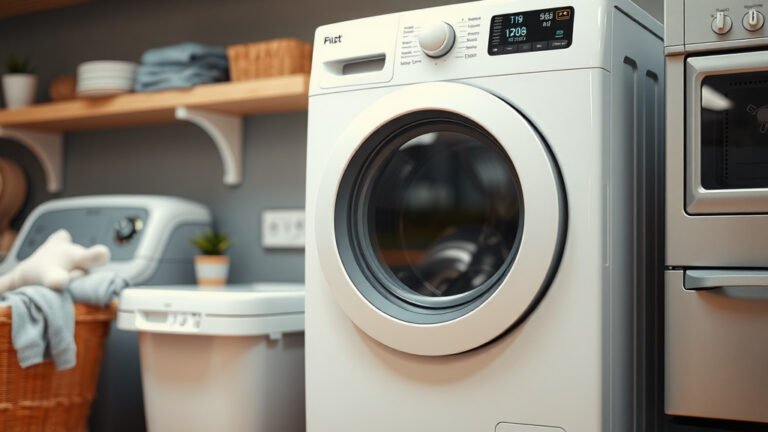
A washer and dryer Our guide to the best new washer and dryer set can help you choose. set is a pair of home appliances designed to clean and dry your clothes. The washer uses water and detergent to remove dirt. The dryer then uses heat to remove moisture from the fabric. Together, they handle your laundry needs efficiently. It’s your laundry day dream team!
These machines are essential for most households. Modern washers offer various cycles for different fabric types. Dryers come with different heat settings and features like steam. Many people opt for a stacked unit for smaller spaces. Others prefer side-by-side placement for easier access. We found that choosing the right set can save you time and effort.
- Washers clean clothes with water and detergent.
- Dryers remove moisture using heat.
- They are essential home appliances.
- Many types and configurations exist.
- Choosing wisely saves time.
Let’s break down exactly what makes up a washer and dryer, and what you should know before buying one. Our guide to the best mid size washer and dryer can help you choose.
Here’s the main body content for your blog post:Understanding Your Washer and Dryer Duo
So, you’re curious about what exactly makes a washer and dryer work together? Think of them as a dynamic duo for your clothes. The washer is the cleaning expert, tackling dirt and grime. The dryer is the finishing touch, making sure your clothes are soft and ready to wear. Together, they save you a trip to the laundromat and keep your wardrobe fresh.
The Washer: More Than Just a Spin Cycle
At its core, a washing machine uses water and detergent to clean fabrics. It agitates clothes, loosening dirt and stains. Then, it rinses them clean. Most washers today are highly efficient. They use less water and energy than older models. You’ll find many different types and features available.
Top-Load vs. Front-Load Washers
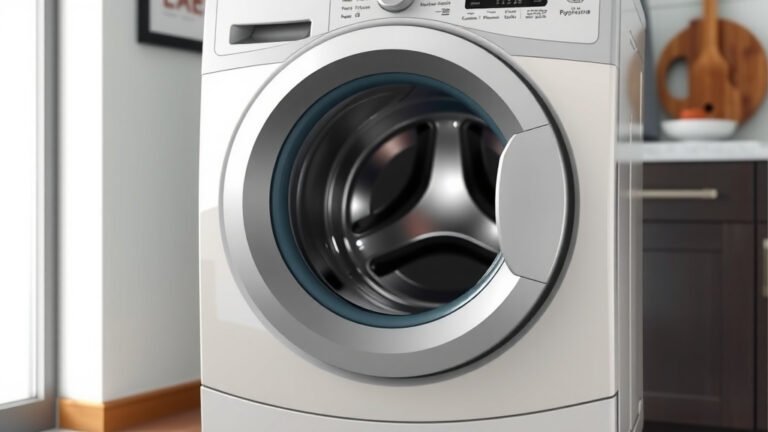
The biggest difference you’ll see is between top-load and front-load machines. Top-loaders have the door on top. You add clothes through the lid. They can be either impeller or agitator models. Impeller models use a low-profile disc. Agitator models have a central post. Front-loaders have the door on the front. You load clothes horizontally. They tend to be gentler on clothes. They also use less water and spin faster for better drying. Many studies show front-loaders offer a more thorough clean (Consumer Reports).
Key Washer Features to Consider
Washers come with a host of settings. You’ll find cycles for delicate items, heavy-duty loads, and quick washes. Some machines offer steam functions. This can help sanitize clothes or remove wrinkles. Smart features allow you to control your washer from your phone. You can even get alerts when a cycle is done. Look for energy-efficient ratings like ENERGY STAR. These can help lower your utility bills.
The Dryer: Bringing the Heat (Gently!)
After the wash, your clothes are wet. The dryer’s job is to remove that moisture. It does this by tumbling clothes in heated air. This process makes them dry and fluffy. Modern dryers offer various heat settings. This helps protect different fabric types from damage.
Electric vs. Gas Dryers
The main difference here is how they generate heat. Electric dryers use heating coils. Gas dryers use a gas burner. Gas dryers typically heat up faster. They can also be cheaper to run if natural gas is available in your area. Electric dryers are often easier to install. They just need a standard electrical outlet. We found that the long-term running costs often favor gas dryers for many households.
Essential Dryer Functions and Technologies
Like washers, dryers have many settings. You can choose timed dry or sensor dry. Sensor dry stops the cycle when clothes are detected as dry. This prevents over-drying and saves energy. Some dryers offer steam cycles. This is great for de-wrinkling clothes. Others have moisture sensors. These help prevent static cling. Many machines also feature reversible doors. This gives you flexibility in how you place them.
Washer and Dryer Configurations: Finding Your Fit
How you arrange your washer and dryer matters. This is especially true if you have limited space. There are a few popular setups. Each has its own advantages for different homes.
Side-by-Side Units
This is the classic arrangement. The washer sits next to the dryer. This setup is common. It offers easy access to both machines. You can often use the counter space above them. This is great for folding laundry. Many people prefer this layout for its convenience.
Stacked Units
If space is tight, a stacked unit is a great solution. The washer is on the bottom. The dryer sits on top. This saves a lot of floor space. It’s ideal for small apartments or homes. You’ll need to reach up to load and unload the dryer. This might not be suitable for everyone. However, the space-saving benefit is huge for many.
All-in-One Washer Dryer Combos
These machines combine washing and drying into a single unit. You load your clothes once. The machine washes them and then dries them. This is the ultimate space-saver. However, they often have smaller capacities. Drying cycles can also take longer. They are a good option for singles or very small households.
Making Your Laundry Day Checklist
Before you buy a new washer and dryer, consider these points:
- Measure your space carefully.
- Check utility hookups (gas, electric, water, vent).
- Decide on top-load or front-load.
- Consider capacity needs for your household size.
- Prioritize the features that matter most to you.
- Look for energy efficiency ratings.
Conclusion
You’ve now explored the essential components of a washer and dryer, understanding how each machine contributes to your laundry routine. From top-load versus front-load washers to the choice between electric and gas dryers, you’ve seen the variety available. Whether you need a side-by-side setup, a space-saving stackable unit, or an all-in-one combo, there’s a perfect fit for your home. Now, with this knowledge, you’re ready to make an informed decision for your next laundry appliance purchase. Take the time to measure your space and consider your household’s needs to find the best washer and dryer duo for you!
Frequently Asked Questions
What is the main difference between a top-load and a front-load washer?
The main difference lies in how you load clothes and the internal mechanism. Top-load washers have a lid on top and use an agitator or impeller to move clothes. Front-load washers have a door on the front and tumble clothes horizontally, which is generally gentler and more water-efficient.
Why would someone choose a gas dryer over an electric dryer?
Many people opt for gas dryers because they heat up faster and can be cheaper to operate if natural gas is available. While electric dryers are often simpler to install, the long-term running costs can favor gas for many households.
What does “stacked unit” mean for a washer and dryer?
A stacked unit means the washer is placed on the bottom, and the dryer is mounted directly on top of it. This configuration is excellent for saving floor space, making it ideal for smaller homes or apartments where space is limited.
Are all-in-one washer dryer combos a good choice?
These machines combine both washing and drying functions into a single appliance. They are fantastic space-savers and convenient as you load clothes only once, but they typically have smaller capacities and longer drying cycles compared to separate units.
What is the benefit of sensor dry on a dryer?
Sensor dry technology uses moisture sensors to detect when clothes are dry. The dryer then automatically shuts off, preventing over-drying, which saves energy and helps protect your fabrics from heat damage and shrinking.